Should You Start a Homestead? Ask Yourself These 20 Questions
Homesteading is more popular than ever—and I completely understand why.
The idea of raising your own food, slowing down, spending more time outdoors, and building a simpler life is incredibly appealing.
But after years of homesteading, I’ve realized something.
Wanting a homestead and enjoying the lifestyle aren’t always the same thing.
Homesteading is rewarding, but it’s also messy, exhausting, unpredictable, and sometimes downright frustrating.
Before you start searching for land, ask yourself these twenty questions. There are no right or wrong answers—but being honest with yourself now can save you a lot of heartache later.
1. Is Everyone in Your Family Actually On Board?
This is probably the most important question on the list.
I’ve watched one family move to the country only to move back to the city a short time later because the wife and daughters hated the bugs, the smaller house (remember — for most people, the budget goes towards spacious LAND, not just a spacious house), the slower pace of life, and all the work that came with maintaining a homestead.
The husband absolutely loved it, but eventually (rather quickly) they moved back because the rest of the family simply wasn’t happy.
Homesteading affects everyone in the household—not just the person dreaming about it.
2. Can You Handle Bugs?
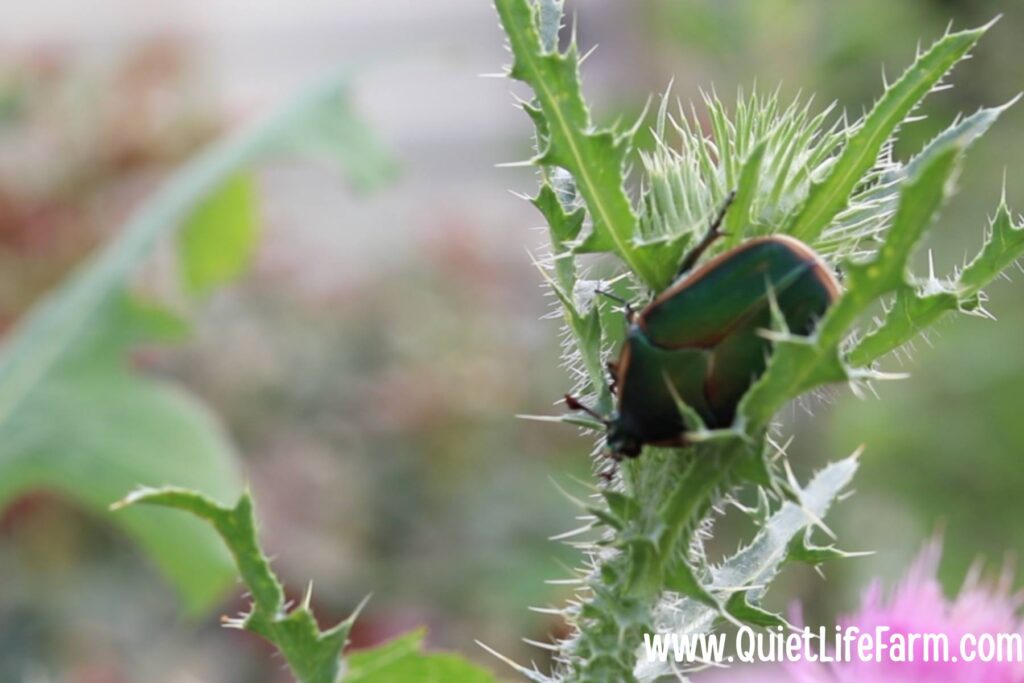
This may sound silly…
Until your first summer in the country.
There are flies.
Mosquitoes.
Ticks.
Spiders.
Beetles.
Butterflies.
Dragonflies.
Bees.
The country is full of life.
If the occasional spider in the house or mosquitoes during evening chores make you miserable, it’s worth thinking about how you’ll feel when there are simply more insects than you’re used to.
3. Can You Live Alongside Wildlife?
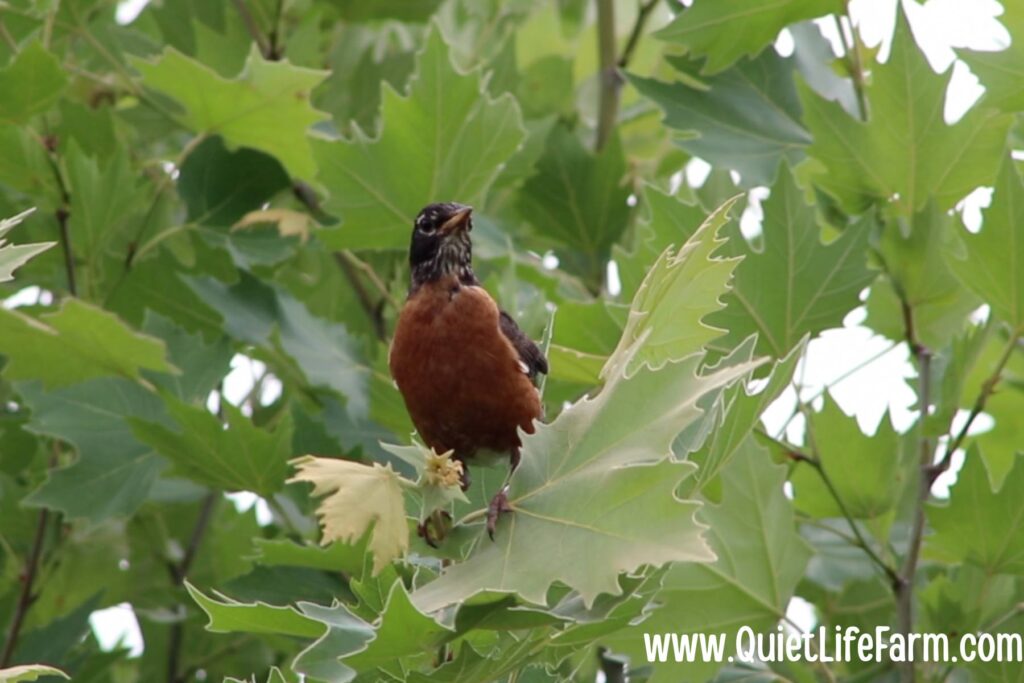
One of the things I love most about country living is that nature is always nearby.
Birds wake us up in the morning.
Owls call at night.
Frogs sing after it rains.
Not everyone enjoys that.
We once checked on someone’s country Airbnb because they kept hearing an “alarm” outside that was driving them crazy.
It turned out to be…
A bird.
Just an ordinary songbird doing what birds do.
Living in the country means sharing your space with wildlife, and honestly, I think that’s one of its greatest gifts.
But, it’s not for everyone. And it certainly takes some getting used to.
4. Are Your Expectations Realistic?
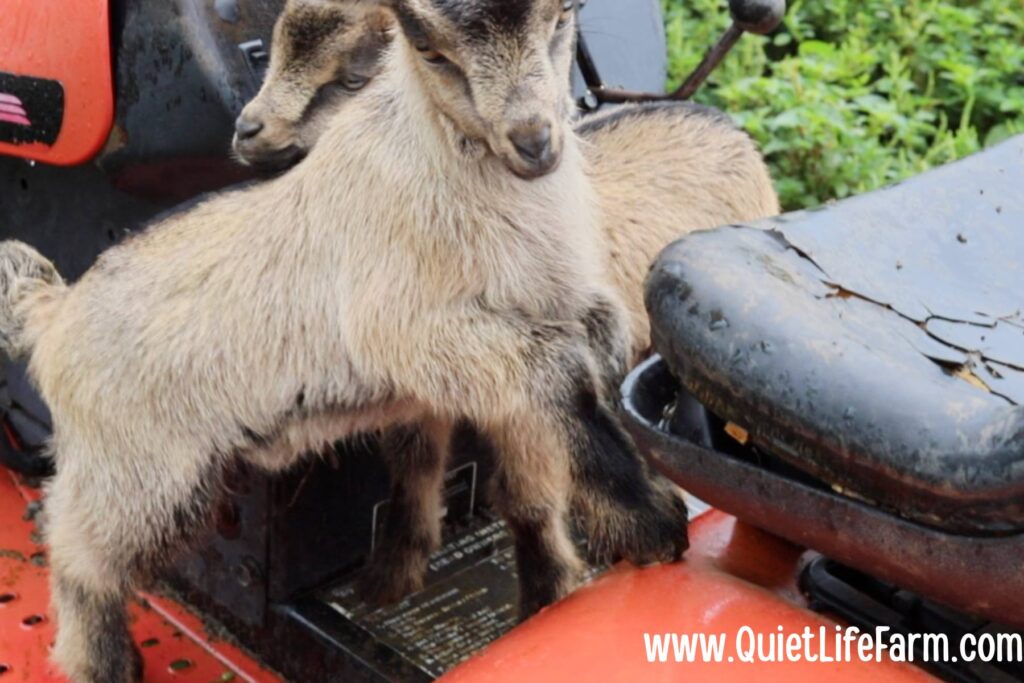
Pinterest has a way of making every homestead look perfect.
Reality is a little different.
Unless your budget is unlimited, you’ll probably have to compromise somewhere.
Maybe the house needs updating.
Maybe the land is smaller than you’d hoped.
Maybe there isn’t already a barn.
Try to focus on what really matters instead of expecting every item on your dream list.
5. Are You Comfortable Learning Basic DIY Skills?
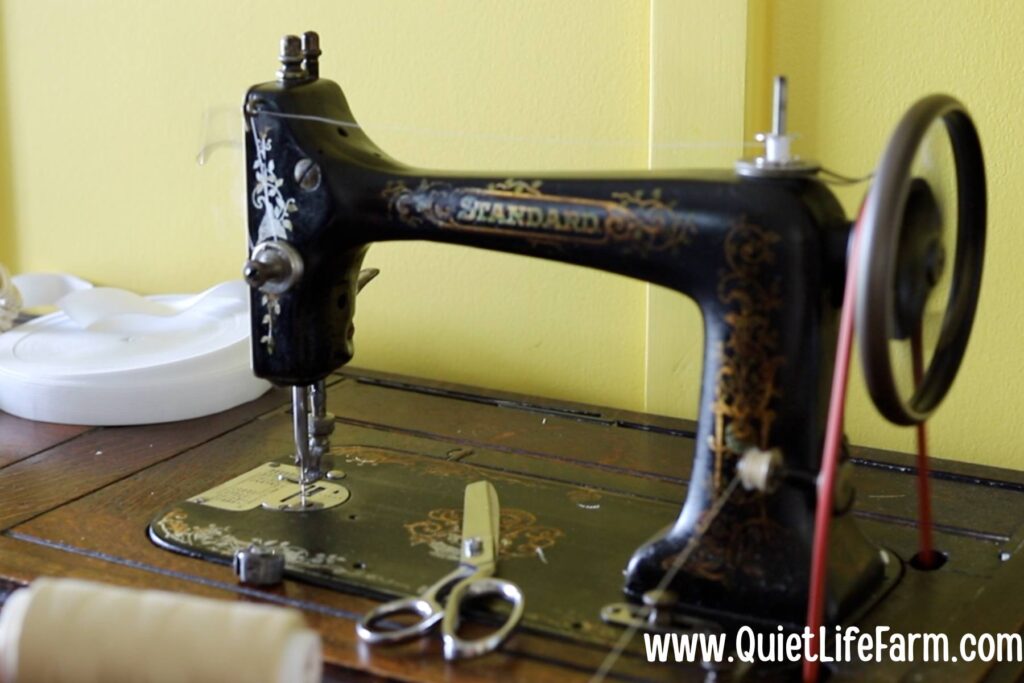
You don’t have to know how to build a barn from scratch.
But learning basic home maintenance and simple building projects will save you a tremendous amount of money.
You’ll likely build raised beds, repair fences, hang gates, install shelving, and tackle countless little projects over the years.
The more you’re willing to learn, the more confident—and capable—you’ll become.
6. How Much Time Do You Really Have?
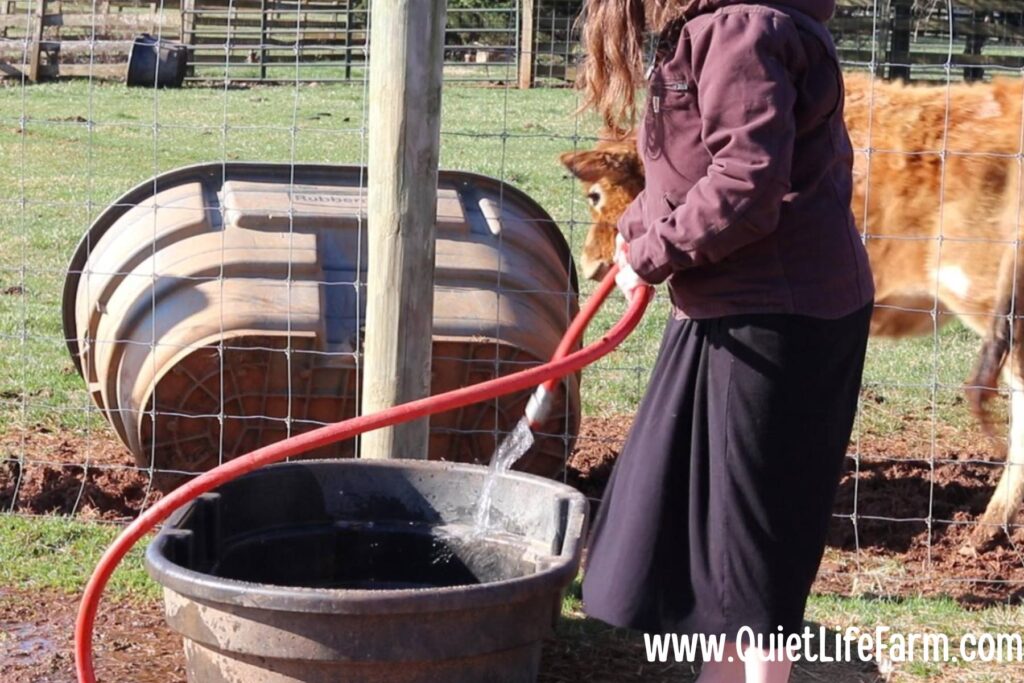
Animals don’t know it’s Saturday.
Or Christmas.
Or that you’re working overtime this week.
They need fresh water, food, and care every single day.
Sometimes they’re sick and need extra care. (read: extra time spent with them and keeping an eye on them)
If you’re away from home for very long hours most days, think carefully about whether livestock fits your current season of life.
There’s absolutely nothing wrong with starting with a garden and adding animals later.
7. Do You Have Some Basic Gardening Knowledge?
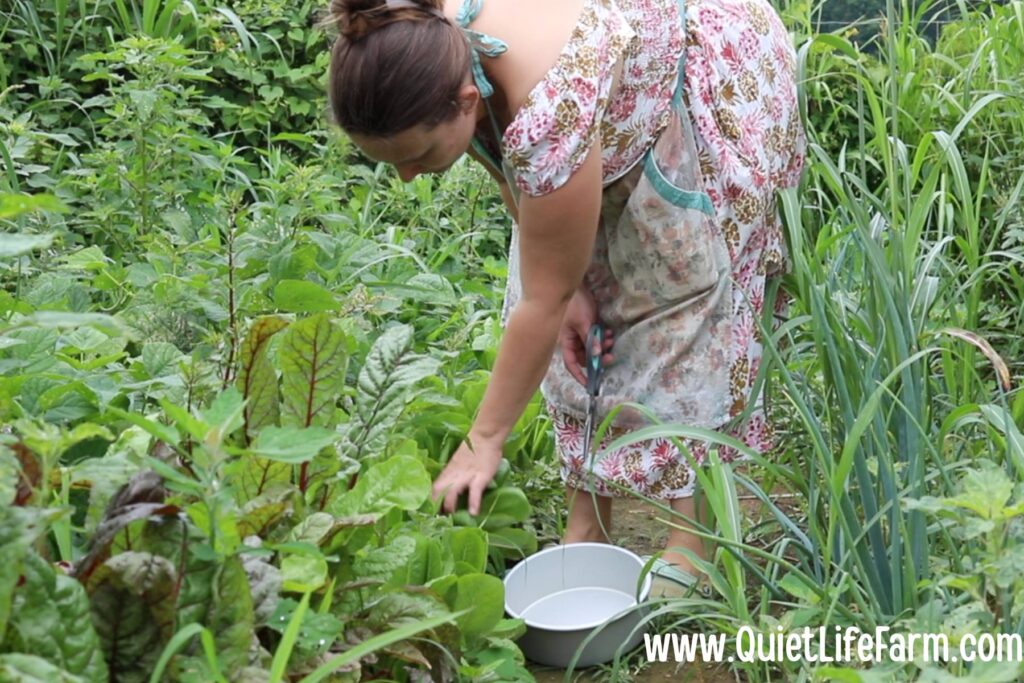
You don’t have to be an expert.
Everyone starts somewhere.
But having at least a basic understanding of gardening makes those first few seasons much less overwhelming.
If you’ve never grown anything before, try planting a small garden where you are now. My first garden was in pots on our apartment stairs when my husband and I were newlyweds and didn’t have a yard. (the squirrels ate every last tomato, but we still learned together)
You’ll learn far more from one tomato plant than hours of watching videos online.
8. Do You Have Some Basic Animal Experience?
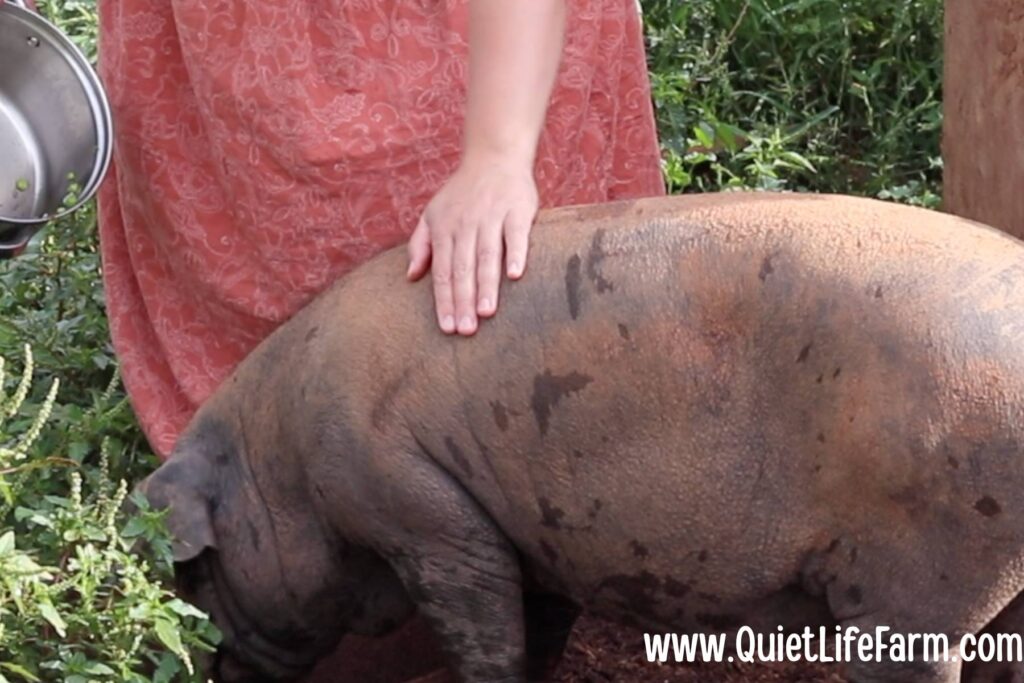
Again, you don’t need to know everything.
But reading books, helping friends who DO have livestock, or caring for a few chickens before expanding can make the learning curve much gentler. If you have friends with chickens or livestock, ask them if you can come and help them with some projects. (Do they raise their own meat? Ask to come help on the big day. It’s a tremendous experience to be able to have that hands-on knowledge before starting such a project on your own with your own animals. And your friends will appreciate the extra set of hands! In our local community, it’s common for even strangers to come out and help on the big day just to gain the learning experience for processing an animal they’ve never processed before!)
Animals depend on us.
It’s worth preparing before they arrive.
9. What Does “Homesteading” Mean to You?
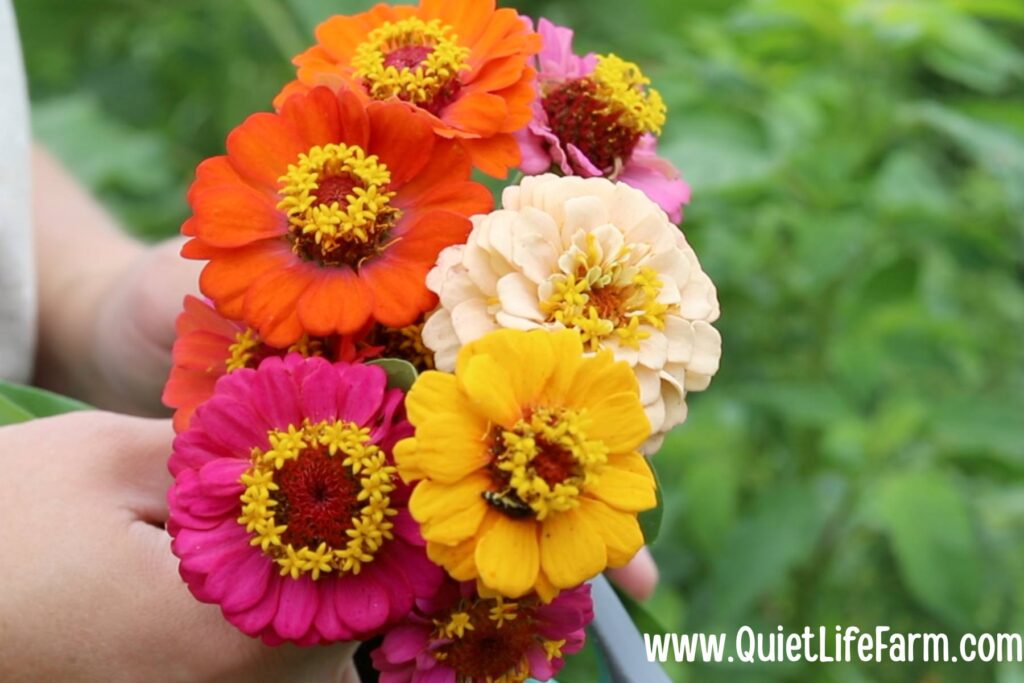
This answer looks different for everyone.
Maybe you dream of a vegetable garden and a flock of backyard chickens.
Or perhaps you picture dairy cows, pigs, sheep, orchards, bees, and acres of pasture.
Neither vision is more “real” than the other.
Knowing your goals helps you choose the right property from the beginning.
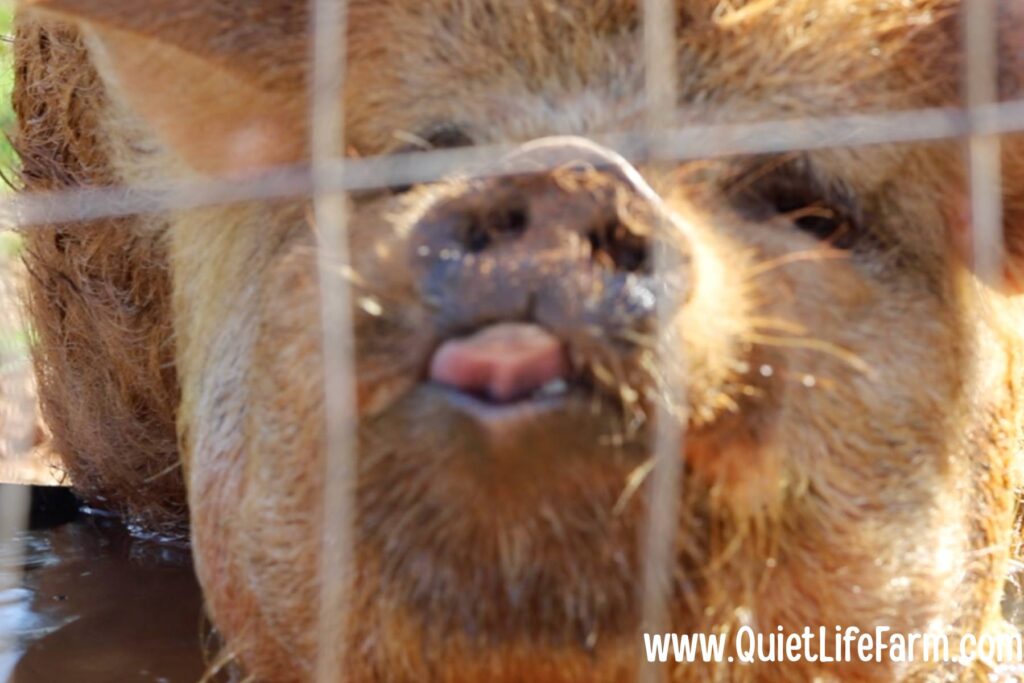
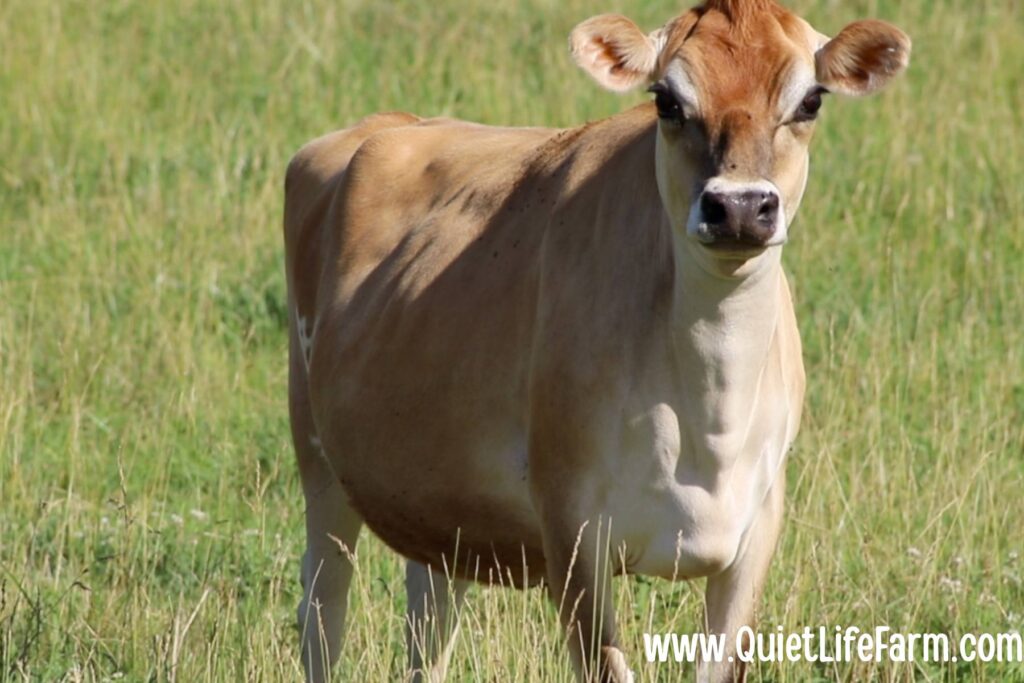
It will change WHAT and HOW MUCH you buy in a property. Pigs and chickens can live in the woods. Cows however, appreciate pastured land. Gardens and mini goats don’t require much space. Cows and horses DO.
10. Is This Your Forever Homestead?
Think about five…or even ten…years from now.
Will you eventually want an orchard?
More livestock?
A larger garden?
If so, buying enough land now may save you from moving again later.
If you want this homestead to be your FINAL homestead, make sure you’re ready to be in a “final home” mindset.
Moving is a pain, guys. Moving a homestead is even MORE of a pain. You suddenly have to figure out where to house livestock if there is lag time between the close on your current homestead and a new one, and have to figure out where animals are going to go on a new homestead if there isn’t any fencing up yet. And, no matter how tame and friendly your livestock is, they are still going to hate getting into a livestock trailer. That’s a scary experience for them, and taking hours or even days to get them into one is a very normal experience. It’s not a matter of “pack the things and pack the animals all within a day’s time” experience anymore. You might realize it’s easier to sell all the livestock and start all over again if you decide to move to a larger homestead. That’s the most common experience I see happening around me when people move to different land. And you get attached to those animals. It’s sad to do.
11. Are You Financially Ready?
Buying the property is only the beginning.
There will be fencing.
Garden supplies.
Feed.
Repairs.
Fruit trees.
Animal shelters.
Equipment.
Leaving room in your budget to actually build your homestead is just as important as buying the land itself.
12. Can You Be Flexible?
No matter how much you plan, something won’t go according to plan.
Your garden may fail.
Your chickens may decide your flower beds are more interesting than their coop.
Your carefully planned layout may change after your first year.
Flexibility is one of the greatest skills a homesteader can develop.
Failure does NOT mean you shouldn’t continue. But some personalities find that very difficult to overcome. We’re all different.
13. How Do You Feel About Physical Work?
Homesteading is active.
Some days you’ll spend hours hauling mulch, carrying feed, fixing fences, or digging holes.
It will be hot, sweaty, dirty work, and you won’t be able to stop.
Your clothes will tear and stain. There will be nights that you just want to go to bed after a long day, but you can’t because you’re trying to get a stubborn ram to go into a livestock trailer in the pitch black dark of night.
It doesn’t mean you have to be an athlete—but it does help to enjoy working with your hands and being able to push through the uncomfortable.
14. Are You Comfortable Being Farther From Convenience?
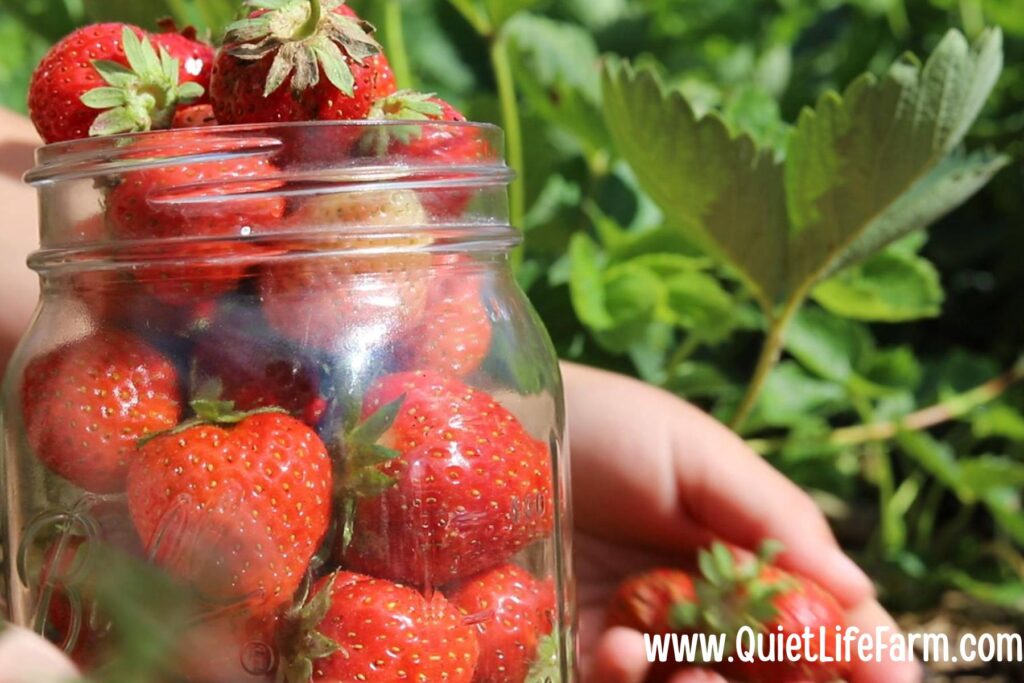
Living in the country often means longer drives.
The grocery store isn’t five minutes away.
Neither is the hardware store.
Friends are farther away, too. (even your fellow homesteaders! you’ll find the homesteading community you build up is often spread out an hour or more away)
Many people discover that’s a worthwhile tradeoff—but it’s still something to consider.
15. Can You Handle Things Going Wrong?
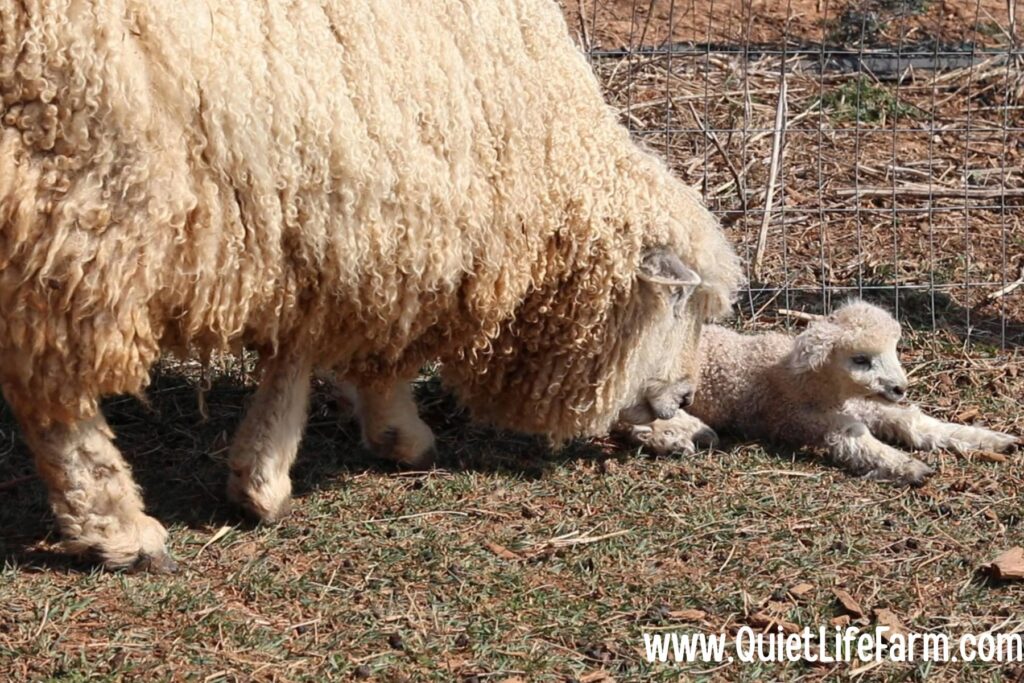
Animals get sick.
Storms damage fences.
Tomatoes get blight.
You’ll have wonderful successes—and disappointing failures.
Both are part of the journey.
16. Are You Okay Learning as You Go?
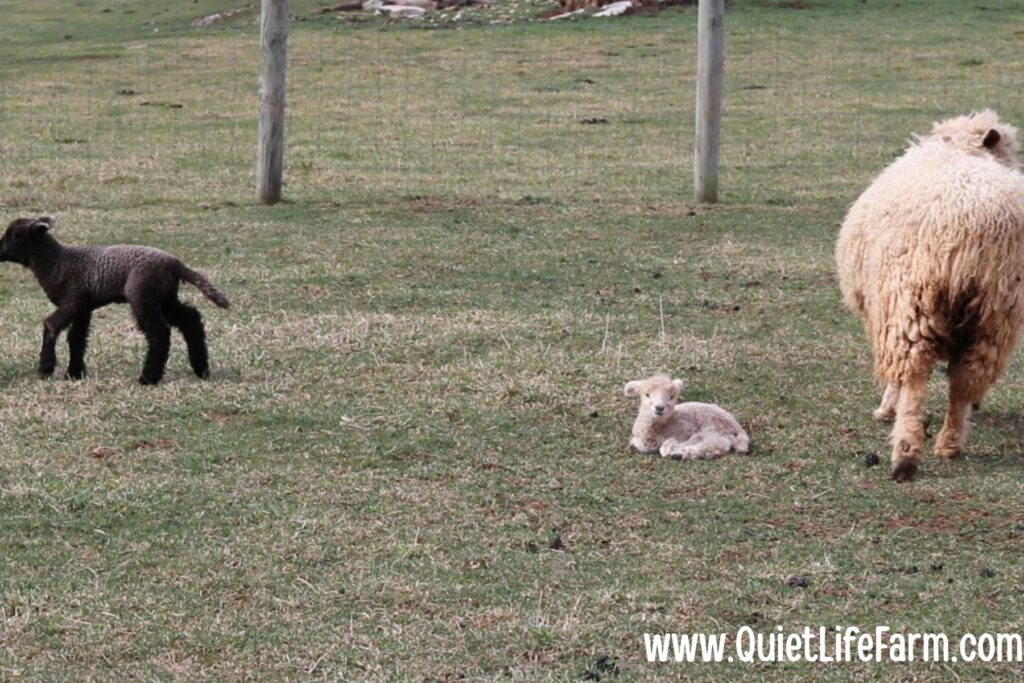
No one starts as an expert.
Every experienced homesteader was once a complete beginner.
There will be mistakes — some devastating — and we’ve all had those.
Curiosity and a willingness to keep learning matter much more than knowing everything on day one.
17. What Will You Say “No” To?
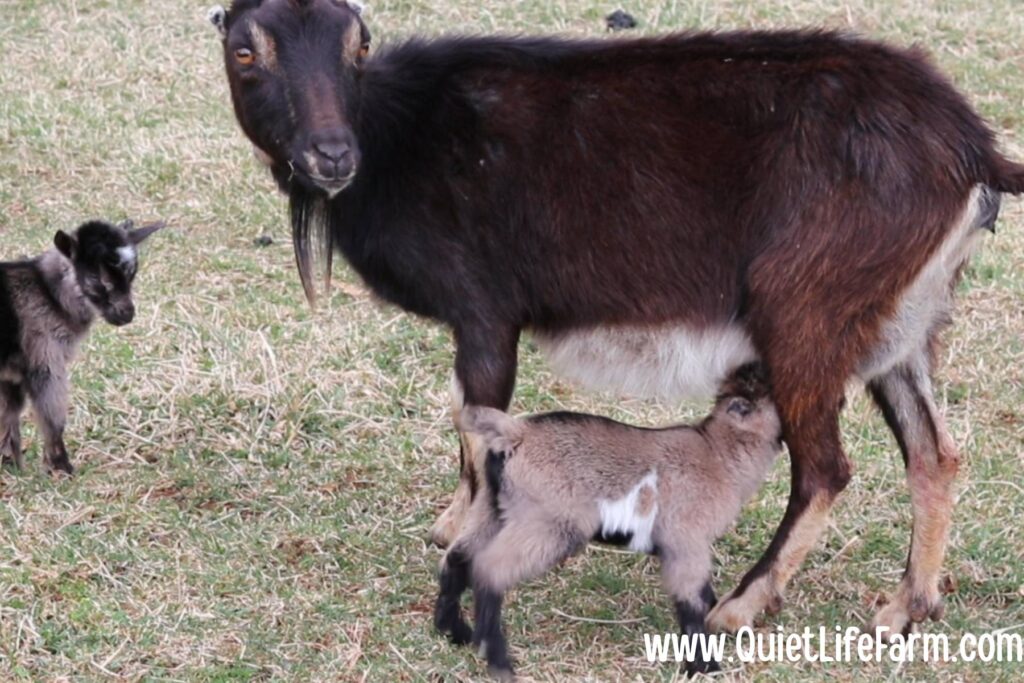
Every homestead has limits.
You don’t have to raise every animal.
Grow every vegetable.
Preserve every harvest.
Knowing what you don’t want to do is just as valuable as knowing what you do.
Homesteading isn’t about isolating yourself completely. It’s about relying more on the INNER community and becoming independent of the OUTSIDE community.
18. Will You Enjoy the Lifestyle Even When Nothing Is Growing?
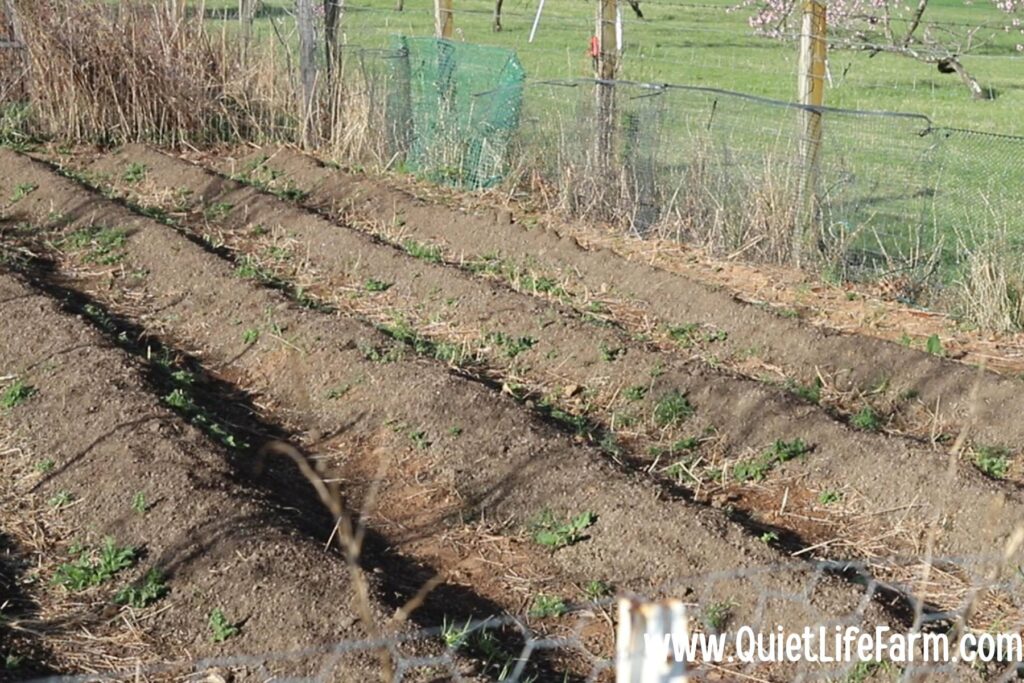
Spring is exciting.
Summer is productive.
But there are also muddy winters, rainy weeks, and quiet seasons.
I really don’t like winter, I’ll just be honest. And if you were like us and your budget went towards the land and not the house, you’ll understand why.
But if you love the lifestyle itself—not just the harvest—you’ll be much happier in the long run.
19. Are You Willing to Let Your Homestead Grow Slowly?
One of the biggest mistakes new homesteaders make is trying to do everything during the first year.
The most successful homesteads I’ve seen grew little by little.
One project.
One garden.
One flock.
One season at a time.
20. Are You Doing This for the Right Reasons?
Homesteading isn’t about proving anything.
It’s about building a life you genuinely enjoy.
If spending your evenings watering tomatoes, listening to frogs, watching your children catch lightning bugs, or collecting eggs sounds like a good day—not because it’s trendy, but because it fills your heart—then you might just love homesteading.
Homesteading really is about home.
Final Thoughts
Homesteading isn’t always easy.
Some days you’ll question why you started.
Other days you’ll stand in your garden, watch the sunset over your pasture, or gather fresh eggs with dirt on your boots and realize you wouldn’t trade this life for anything.
The goal isn’t to scare anyone away from homesteading.
It’s to encourage you to think through what the lifestyle really looks like.
Because if you go into it with realistic expectations—and a willingness to keep learning—you’ll be much more likely to build a homestead that truly fits your family for years to come.