Easy Ways to Save Money With Skills You Already Have

When people think about saving money, they often picture clipping coupons, giving up little luxuries, or saying “no” to things they enjoy.
While there’s certainly nothing wrong with being frugal, I’ve found that one of the best ways to save money has very little to do with spending less.
Instead, it has everything to do with learning to create more.
And let’s be honest — while clipping coupons or saying “no” to things might work to save money for some families, I think that most American families know that in the current economy, it’s really not a matter of “giving up little luxuries,” as we never even invested money into luxuries to begin with. No, for our family, it’s never been a matter of “just giving up Netflix and Starbucks” because we don’t buy those things to begin with.
Over the years, our family has slowly filled our home with practical skills. We bake bread instead of buying it. We sew toys for birthdays instead of shopping for them. We grow vegetables in the garden, make our own soap, repair things whenever we can, and even raise animals that provide us with beautiful fiber for knitting.
None of these skills happened overnight, and we certainly didn’t learn them all at once.
But each new skill has given us something far more valuable than saving a few dollars—it has given us confidence.
Bake More From Scratch
One of the easiest places to begin is in the kitchen.
A homemade loaf of bread costs only a fraction of what you’d spend on an artisan loaf at the grocery store, and in my opinion, it tastes much better too. The same goes for pancakes, muffins, cookies, soups, and so many everyday meals.
Even if you start by replacing just one store-bought item with a homemade version, those savings begin to add up over time.
More importantly, you’ll gain a skill that you can use for the rest of your life.
You do not have to do it perfectly.
My advice? Do not start with sourdough bread.
Start with basic dry yeast bread. It’s okay. Really, it is. If you’re worried about the health of it, grab a bag of the yeast that has a non-gmo mark on it.
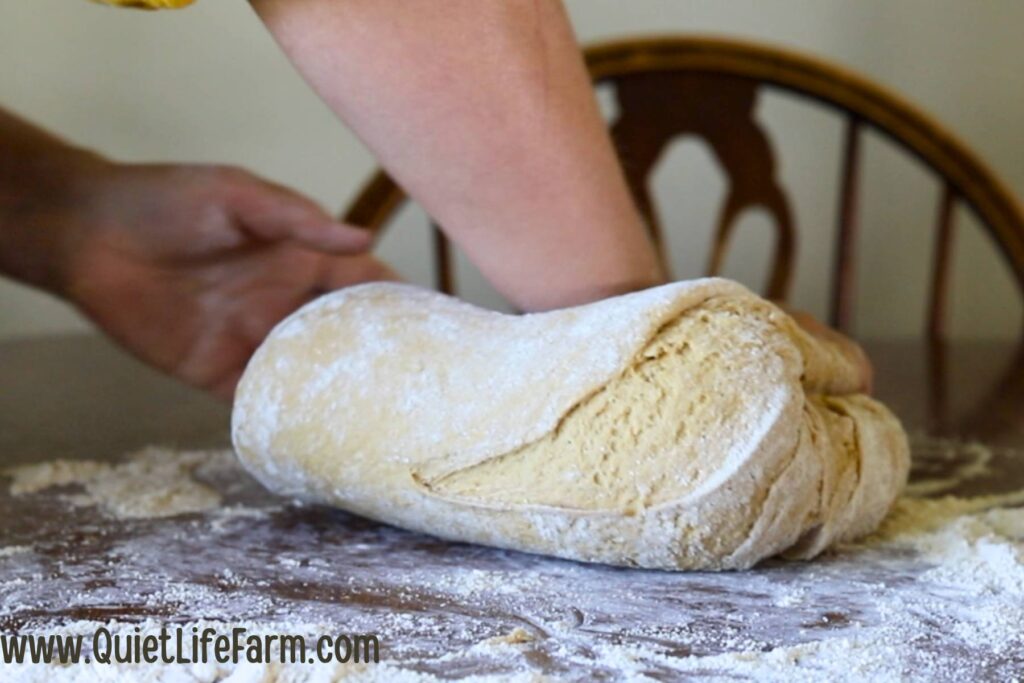
Even if you can’t afford a fancy grain mill or organic flour, you are still going to be making a healthier loaf of bread just by using the cheapest bag of flour available at the grocery store.
Learn to Mend, And Learn to Sew
We often replace clothing because of tiny problems.
A loose button.
A small tear.
A seam that has come undone.
Most of these repairs take only a few minutes once you know how to do them. A simple sewing kit and a few basic stitches can add years to the life of your clothing, children’s toys, and household linens.
You don’t have to learn every sewing skill in the book just to be able to sew on a button.
You don’t have to know how to sew a show-worthy quilt just to iron on a patch to a pair of jeans.
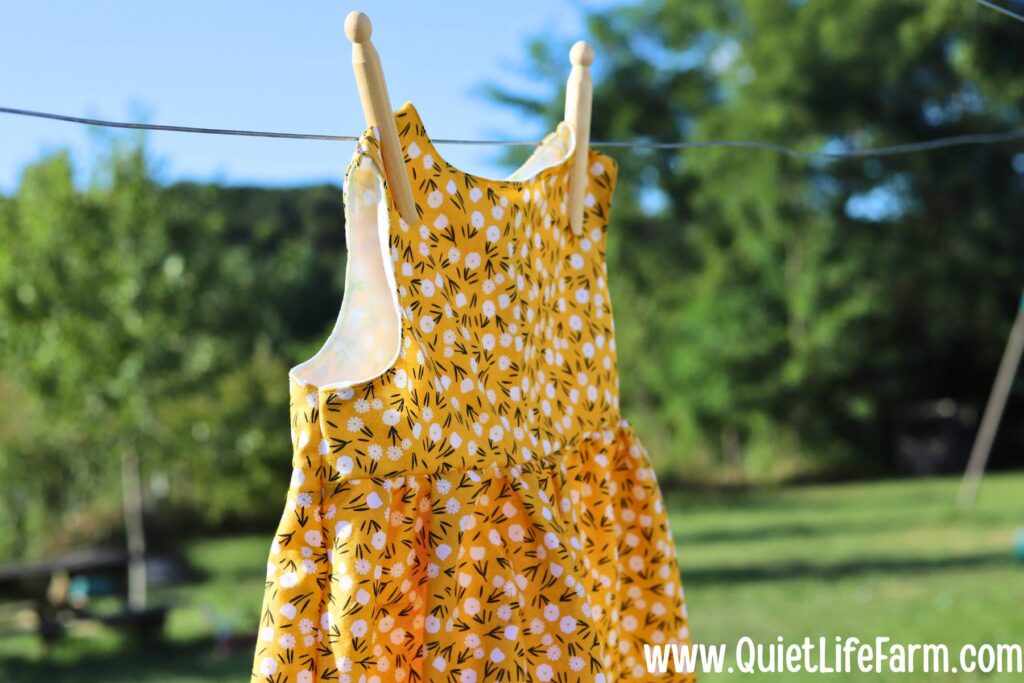
But, once you do gain a few of these most basic sewing skills under your belt by mending, you’ll soon see just how much better quality clothing you can make from a thrift store sheet. I want sewing patterns to be accessible to everyone, so you can even print out free sewing patterns off my blog, such as this free little girl’s dress sewing pattern. I even have a complete video tutorial for it, too!
Make Gifts Instead of Buying Them
Some of the most meaningful gifts I’ve ever given weren’t the most expensive.
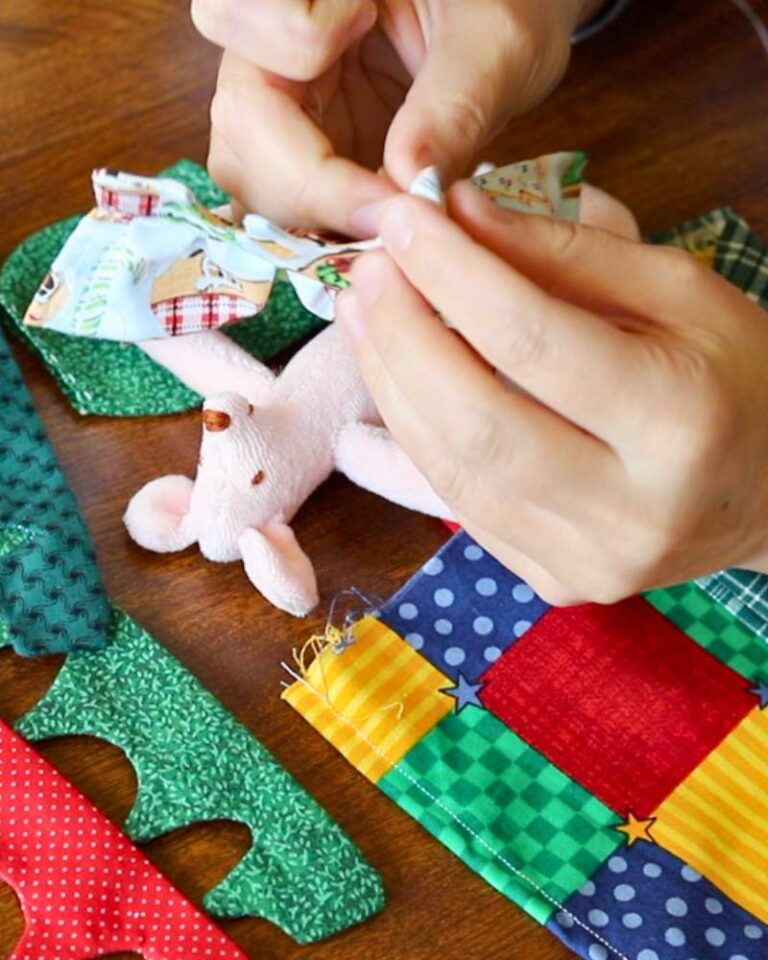
A handmade mouse using a free printable pattern from my blog that looks just like a certain children’s boutique toy company.

A loaf of fresh bread.
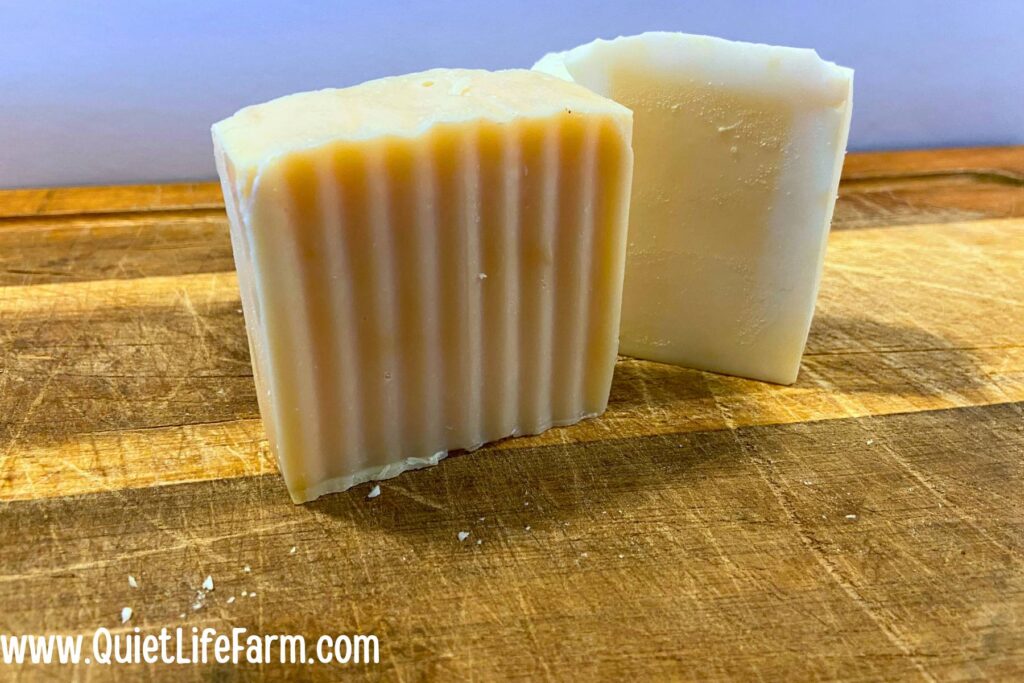
A bar of homemade soap.
When you create something with your own hands, you’re giving more than an object. You’re giving your time, your creativity, and a little piece of yourself.
Those are the gifts people often remember the longest, anyway.
It doesn’t matter that they’re less expensive to make, too.
My family has always thought it’s important to give, whether we have the money or not. Handmade gifts (and giving our time) have been the best way to go about that.
Grow What You Can
You don’t need a large farm to enjoy the benefits of gardening.
A few tomato plants.
A raised bed of lettuce.
Even a small harvest can reduce grocery bills while bringing the satisfaction of harvesting food you’ve grown yourself.
Every season teaches something new, and you’ll get such a nutritional boost by growing your own food.
Buy some cheap seeds, and only buy the foods you’ll actually eat.
Grow what’s easy to grow. You don’t need to have ever gardened before in your life to start growing your own food, especially if you grow some of the easiest things: lettuce, cucumbers, tomatoes, peppers, squash, green beans, and radishes are some of the absolute easiest things to grow!
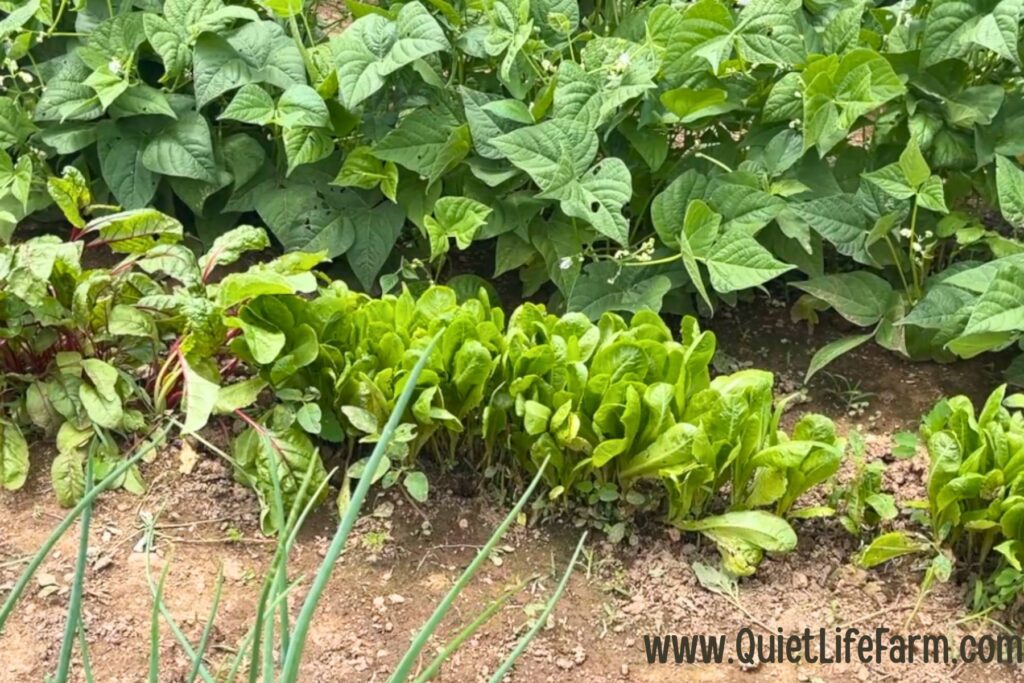
Grow perennials! (those are the ones that come back every year on their own) If you have the ability and space, grow the strawberries, asparagus, and fruit trees…the things that come back yearly with next to no maintenance.
And you do not need a fancy garden spot to grow your food in. I throw most everything directly into my dirt to grow it, minus tomatoes and peppers which I do start indoors before transplanting outside.
You don’t have to know how to garden to grow food. You’ll learn as you go, and even gardens full of weeds still grow food, too.
And if you’re not convinced, just put the word out and become friends with people who DO garden. They usually have an abundance of food in the summer and many are happy to share. Even with my own garden, I still never say no to fresh produce grown by friends. You don’t need to know how to preserve it. Almost all of it can be frozen in ziplock bags in the freezer. (Just don’t freeze squash or zucchini, unless you shred it first and plan to use it in bread. It gets soggy.)
Learn Basic Home Maintenance
Many small household repairs don’t require a professional.
Basic plumbing fixes.
Replacing weatherstripping.
Replacing a door.
Patching a wall.
Building a simple shelf.
Each new skill saves money while making you a little more confident the next time something needs attention.
And when in doubt? Youtube.
Repair Before Replacing (and buy the old stuff)
Our culture encourages us to replace almost everything.
But many items can be repaired with surprisingly little effort.
Furniture can often be refinished.
Children’s toys can be mended.
Kitchen tools can be sharpened.
The more you learn to repair, the more you’ll begin to notice how much life still remains in the things you already own.
It’s also important to note here that we DO live in a throwaway culture, because the new stuff was DESIGNED to be thrown away instead of repaired.
You simply cannot repair everything.
My solution? Buy the old stuff. Buy the 30 year old washing machine off of Facebook Marketplace.
The old stuff WAS designed to be repaired.
And thanks to the internet, it’s generally pretty cheap to obtain the old stuff AND to repair it.
Use Your Creativity
Learning to sew has changed the way I shop.
When I see something I like, my first thought often isn’t, “Should I buy it?”
It’s, “Could I make something similar?”
Sometimes the answer is no.
But often it’s yes.
And even when making it doesn’t save money, the process of creating something yourself is often more rewarding than simply bringing another item home from the store.
This applies to so many things.
“DIY before you buy.”
And, having a homestead, I now understand why the generation who lived during the Great Depression hung on to so much “stuff.” On our homestead, we save (nearly) every scrap of chicken wire and scrap of wood. We might have an “ugly pile of junk” in our back yard, but we really do use it just about weekly.
Change Your Mindset
Something else I find incredibly important is to shift your thinking to thankfulness.
It’s easy to see the things we can’t afford, when even buying something like basic cooking oil feels like a guilty pleasure.
It’s easy to say “none of it matters anyway, because all these small things don’t really add up to how severe inflation is.”
I get it. I do.
And more people need to be honest about that.
But if you’re here, looking for ways to save money, I know you’ve had the same thoughts that I have. It’s hard. I see you.
And it’s true. Sometimes all you can do is be thankful. Because you’re baking bread and using free streaming services anyway.
But, thankfulness goes a long way.
The Greatest Savings
Ironically, I don’t think the greatest benefit of learning practical skills is the money.
It’s the way those skills change the way you see the world.
When you know how to bake bread, sew a simple project, grow a tomato plant, or repair a favorite sweater, you stop feeling quite so dependent on stores for every little need.
You begin to trust your own abilities.
Little by little, you realize that abundance isn’t found in owning more things.
It’s found in knowing how to make, repair, grow, and share.
And that kind of wealth is difficult to measure with a price tag.
Build the community. Offer to help others more than you make your needs known to them.
Because when you give, even when you don’t have anything to give, those things have a way of coming back to you in one way or the other.
COMMUNITY is something many are missing in a financially strained culture.
Final Thoughts
You don’t need to become an expert at everything.
You don’t need a homestead, a workshop, or years of experience.
Simply begin with one skill.
Bake one loaf of bread.
Plant one tomato.
Sew one simple project.
Mend one shirt.
Build the community of like-minded people, because you might not be an electrician, but someone else might be.
Every skill you learn becomes another tool you carry with you for the rest of your life. Over time, those small skills don’t just save money—they build confidence, strengthen your family, and create a home that’s rich in purpose rather than possessions.
That’s the kind of wealth worth investing in.