Your First Year Homesteading: What to Expect
If you’re dreaming about your first homestead, you’re probably picturing lush gardens, happy chickens, overflowing baskets of vegetables, and peaceful evenings on the porch.
And while those moments absolutely happen…
Your first year is also going to be full of surprises.
Some exciting. Some frustrating. Some downright exhausting.
The truth is, your first year isn’t really about homesteading—it’s about learning. You’re learning your land, your animals, your climate, your soil, and yourself.
If I could go back and tell myself one thing before we started, it would be this:
Give yourself permission to spend the first year simply learning.
Here’s what you can realistically expect.
You’ll Spend More Time Learning Than Producing
Most people imagine jumping straight into raising animals, planting huge gardens, and becoming mostly self-sufficient.
Reality usually looks a little different.
Your first year is full of trial and error.
Where should the chicken coop go?
Where does water naturally collect after a heavy rain?
Which garden location gets enough sunlight?
Where will your animals have the best pasture?
The answers aren’t always obvious until you’ve lived on the property through every season.
And that’s perfectly okay.
Your Plans Will Change…A Lot
You probably have a picture in your mind of exactly where everything will go.
The garden over here.
The chicken coop over there.
Goats behind the barn.
Ask almost any experienced homesteader, and they’ll tell you the same thing:
Very little ends up exactly where they originally planned.
Once you actually begin living on the property, you’ll discover little things you couldn’t have known beforehand.
The afternoon shade isn’t where you thought it would be.
The ground stays wet longer in one area.
The wind is much stronger on one side of the property.
Your plans will evolve—and that’s part of the process.
Don’t Rush Permanent Fencing
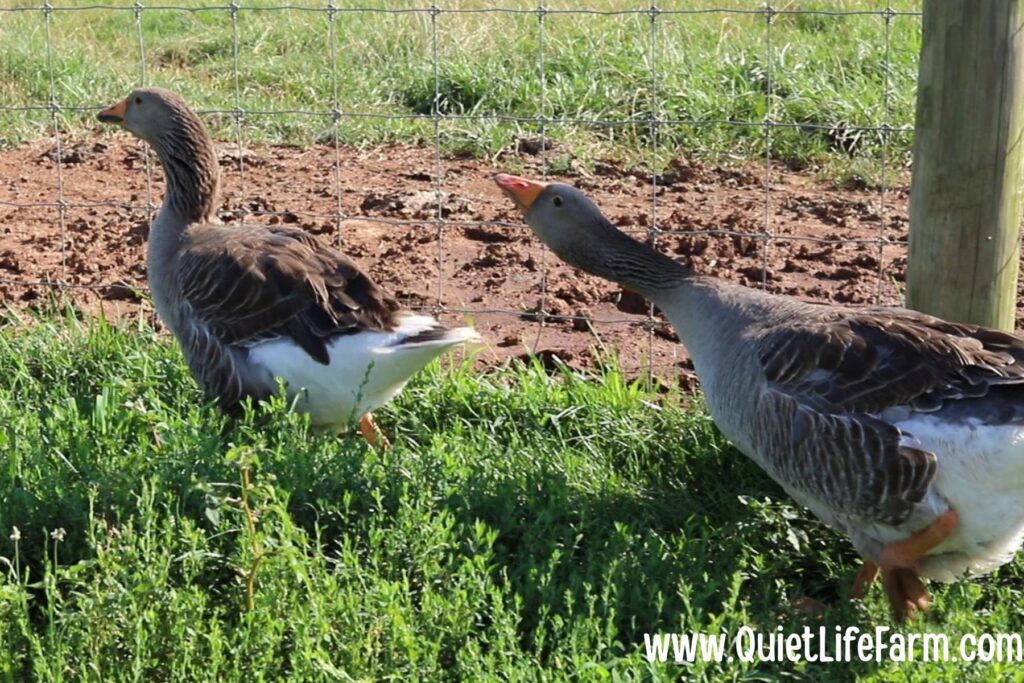
If there’s one piece of advice I’d give every new homesteader, it’s this:
Don’t build permanent fencing immediately unless you absolutely have to.
It’s incredibly tempting to start dividing up the property as soon as you move in.
But until you’ve spent time living there, you don’t truly know how you’ll use the land.
Temporary fencing gives you flexibility.
You can move animals.
Expand pastures.
Shrink gardens.
Completely rethink your layout.
It’s much easier to move temporary fencing than permanent posts sunk deep into the ground.
You’ll Build More Than You Ever Expected
When people think about homesteading, they usually picture gardening.
In reality, your first year often feels like one long construction project.
You’ll build shelves.
Repair gates.
Move fencing.
Construct raised beds.
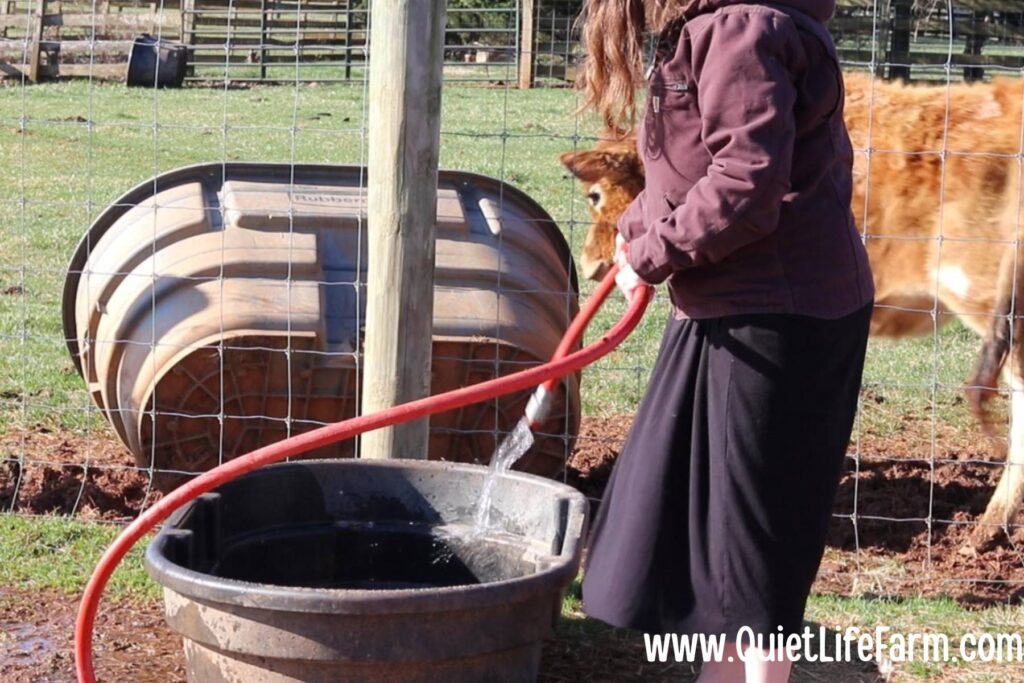
Install water lines.
Organize feed storage.
Build compost bins.
Set up workspaces.
Some days you’ll look around and wonder if you’ve accomplished anything at all.
Then you’ll realize you’ve spent eight hours building systems that will make every future chore easier.
That’s time well spent.
You’ll Wonder What on Earth You Got Yourself Into
At some point during your first year, you’ll probably have one of those days.
Everything goes wrong.
The fence isn’t finished.
The chickens escaped.
The weeds have taken over.
The tool you need is somewhere…but where?
You’ll find yourself asking,
“Why did we think this was a good idea?”
Every homesteader has those days.
The good news?
They become much less frequent once your infrastructure is in place.
Eventually, you’re no longer building the homestead.
You’re simply living in it.
You’ll Discover Your Own Little Microclimates
One of the most fascinating parts of homesteading is realizing your property isn’t all the same.
One corner might stay damp.
Another dries out quickly.
One hillside gets frost first.
Another stays warmer because it catches the afternoon sun.
Your property has its own personality.
You’ll slowly learn where different plants naturally thrive—and where they struggle.
Your Soil Will Surprise You
You can’t judge a property’s soil from the driveway.
You may discover heavy clay in one area that seems impossible to work with.
Then, just a few hundred feet away, you uncover beautiful, dark, rich soil that practically grows vegetables on its own.
You won’t know until you start digging.
That’s one reason it’s often wise to begin with a modest garden your first year instead of trying to cultivate every available square foot.
You’ll Get to Know the Plants That Were There Before You
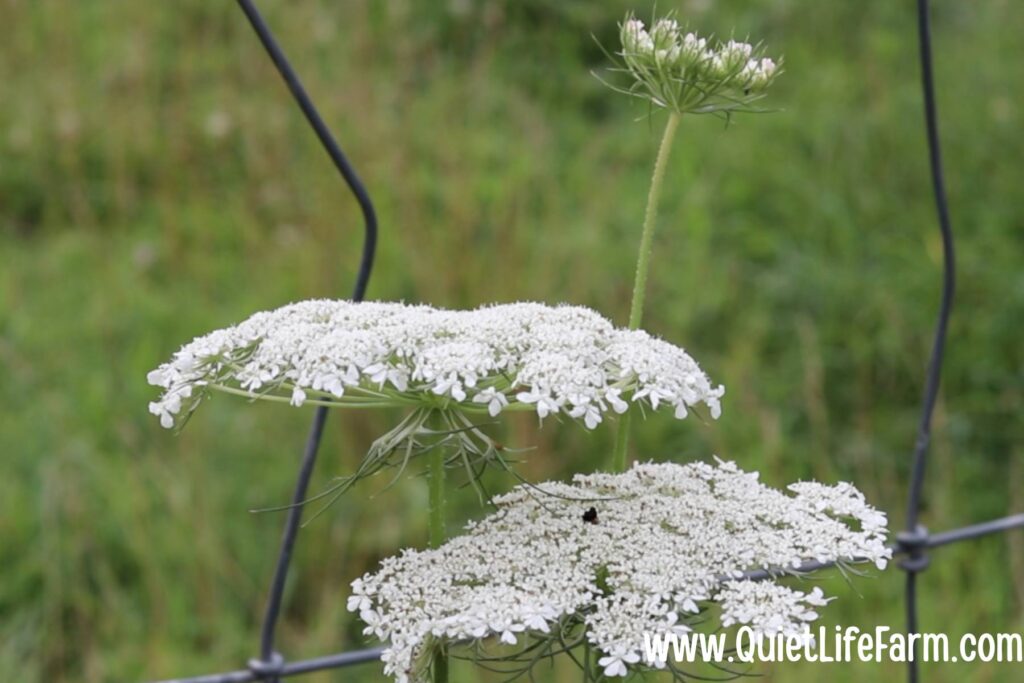
Before you ever plant your first tomato, your property already has a story.
You’ll begin recognizing wildflowers.
Native grasses.
Volunteer trees.
Medicinal plants.
You’ll also learn which weeds spread like wildfire—and which ones are simply part of a healthy ecosystem.
Some plants are merely annoying.
Others are invasive.
A few may even be poisonous to livestock or pets.
Learning what naturally grows on your property is one of the most valuable lessons your first year will teach you.
You’ll Learn the Rhythm of the Bugs
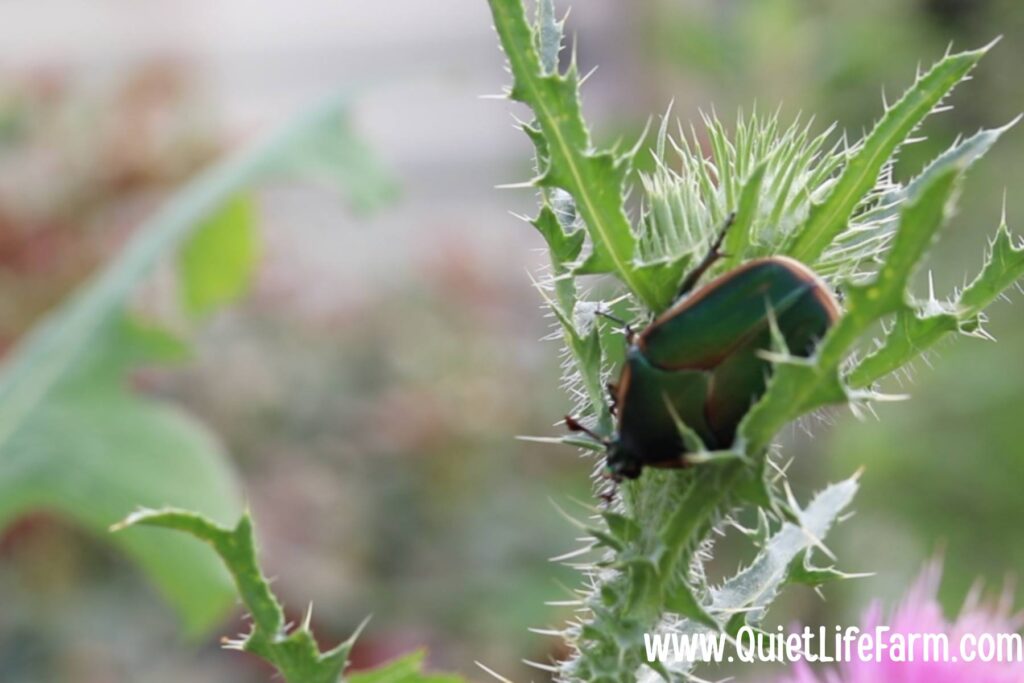
Every property has its own bug calendar.
Maybe flies become unbearable in July.
Perhaps mosquitoes explode after every heavy rain.
You may notice Japanese beetles appear like clockwork every summer or discover that one area of your property has far fewer ticks than another.
At first, it feels overwhelming.
Eventually, you begin planning around it.
You’ll know when to expect the bugs—and how to prepare.
You’ll Learn Your Grass Better Than You Ever Thought Possible
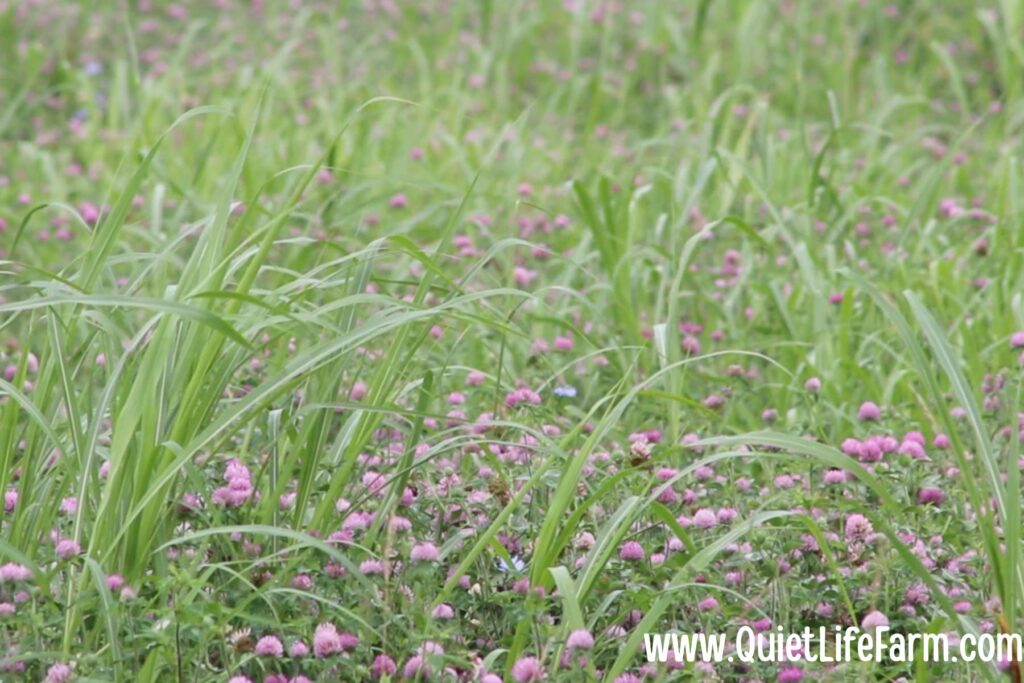
Before homesteading, grass is just…grass.
After homesteading?
It’s feed.
It’s pasture.
It’s hay potential.
It’s grazing management.
You’ll notice which areas grow quickly and which struggle.
You’ll learn how long it takes a pasture to recover after grazing.
You’ll discover where the best forage grows and where animals barely bother eating.
It’s amazing how much you begin noticing once animals depend on the land.
Your Daily Routine Will Slowly Become Second Nature
At first, every chore feels like work.
You’re constantly thinking.
What comes next?
Did I remember the chickens?
Where did I leave that shovel?
Over time, something wonderful happens.
The routines become familiar.
Morning chores flow naturally.
Evening chores become peaceful.
The systems you’ve spent months building finally begin working the way you hoped they would.
And one day you’ll realize…
You’re no longer figuring out how to homestead.
You’re simply doing it.
Final Thoughts
The first year of homesteading can feel messy.
You’ll make mistakes.
You’ll change your mind.
You’ll move things you were certain were in the perfect spot.
You’ll probably question yourself more than once.
But you’ll also begin building something that’s uniquely yours.
Not the homestead you imagined from Pinterest.
The one that actually works for your family, your land, and your life.
And in the end, that’s even better.
If you’re just starting your homesteading journey, don’t put pressure on yourself to have everything figured out during the first year.
Instead, treat it as a season of observation.
Watch your land.
Listen to it.
Learn from it.
Because your property will teach you things no book or YouTube video ever could.