How to Prepare for Homesteading While Living in the City
One of the most common questions about starting a homestead is, “How can I prepare for homesteading if I still live in the city?”
It’s a wonderful question because so many people dream of one day owning acreage, growing a garden, raising animals, and living a slower, more self-sufficient life. But that dream can sometimes feel like it’s on hold until the right property comes along.
The good news is that I don’t believe homesteading begins when you buy land.
I believe it begins the moment you decide to practice these hands on skills wherever you are.
In fact, I think it’s incredibly important to learn homesteading skills before you ever move to a rural property. You’ll build confidence, discover what you truly enjoy, and avoid many of the costly mistakes that come from trying to learn everything at once.
I’l forever be thankful that our family started actively homesteading on a tiny suburban lot before moving to our homestead out in the country. It made the transition a much more smooth (and confident) one.
Here are some of the best ways to prepare for homesteading while you’re still living in the city.
Start Where You Are
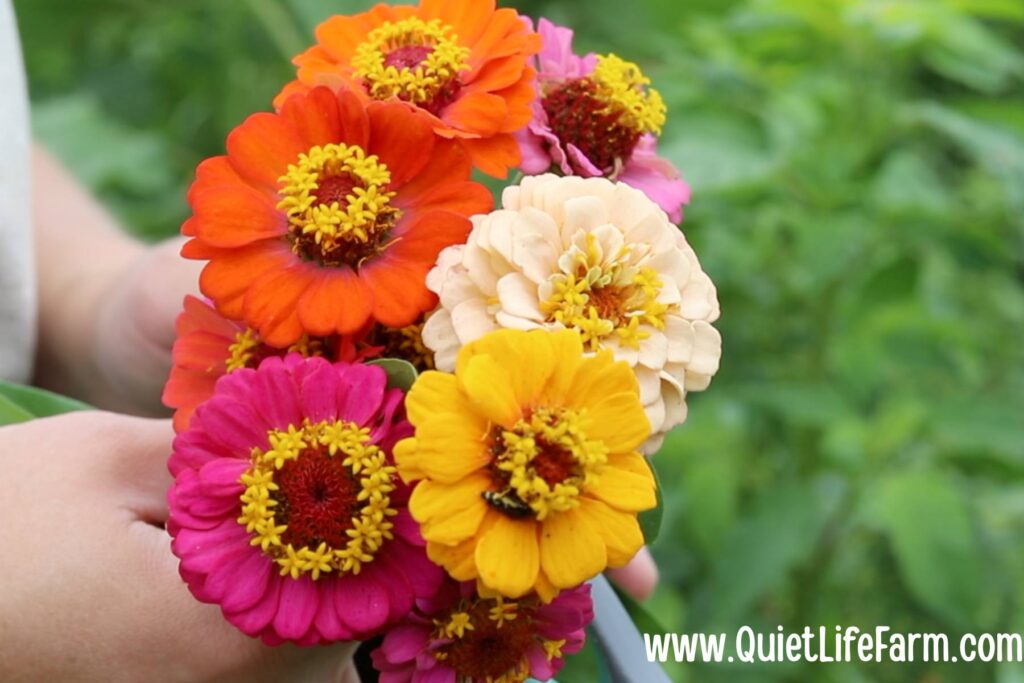
One of the biggest misconceptions about homesteading is that you need dozens of acres to get started.
You don’t. You really don’t.
If you have a backyard, even a small one, you already have an opportunity to begin learning.
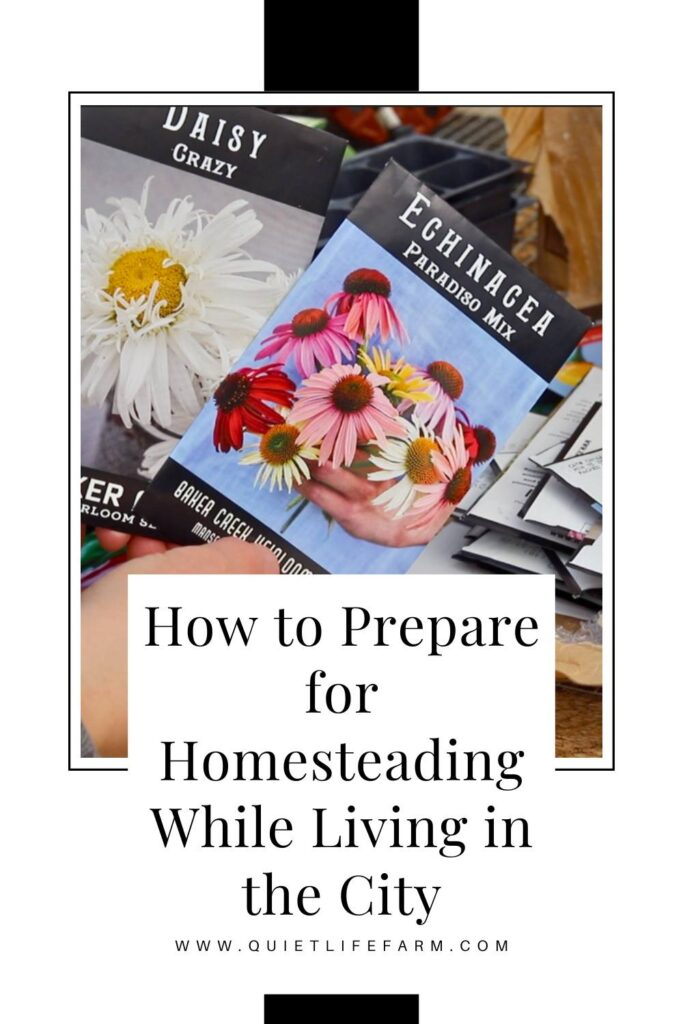
You might start with a few raised garden beds or a handful of containers on a patio. Even herbs on a windowsill or caring for houseplants is a good running start. Growing even a small amount of food will teach you lessons about soil, watering, pests, weather, timing, and patience—lessons that no book can truly teach.
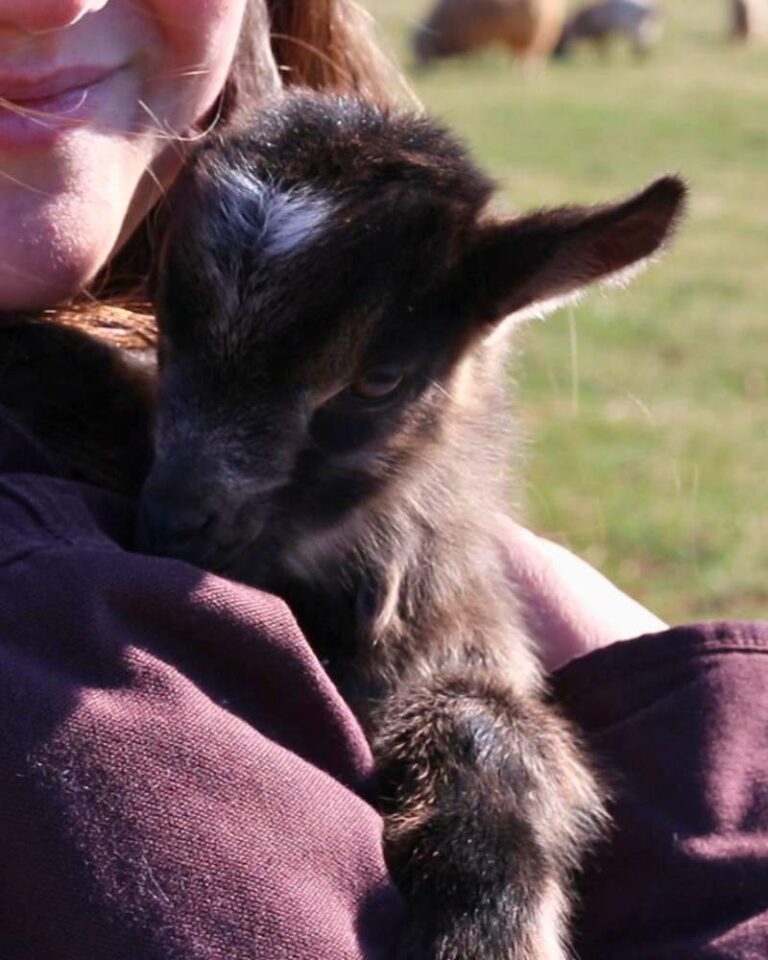
Depending on where you live and what your local regulations allow, you may even be able to raise a few chickens, meat rabbits, bees, or miniature goats. While not every city permits livestock, many suburban communities have become surprisingly friendly toward small backyard flocks and other small animals.
The goal isn’t to produce all of your family’s food overnight.
The goal is to begin building experience.
Learn by Doing, Not Just Reading
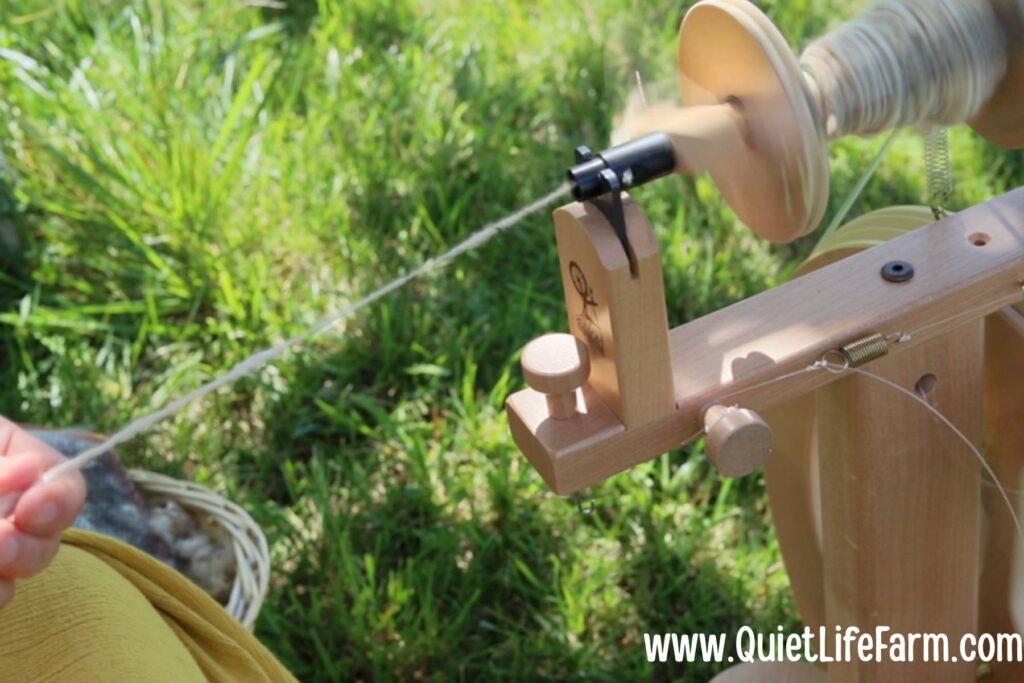
Books, videos, and podcasts are wonderful teachers.
But there comes a point where you have to put your hands in the dirt.
One of the reasons I encourage people to start practicing now is because you don’t truly know whether you’ll enjoy a particular part of homesteading until you’ve actually experienced it.
Maybe you’ll discover that gardening is your favorite part of the day.
Maybe you’ll fall in love with preserving food.
Or perhaps you’ll realize that caring for animals every single day—even in bad weather—isn’t something you enjoy as much as you expected.
You might find that fighting weeds during the hottest part of the summer all while producing less food than you thought a garden would…it might just not be for you. That’s okay.
There’s nothing wrong with discovering that before you’ve invested thousands of dollars into fencing, barns, equipment, and livestock.
It’s much better to find this out now, before uprooting your family to a different home and a different location with land you will own and have to maintain whether you decide to homestead that land or not.
Homesteading is a significant commitment of both time and money. It’s much better to discover your interests gradually than to dive in all at once and become overwhelmed.
Build Your Skills Before You Need Them
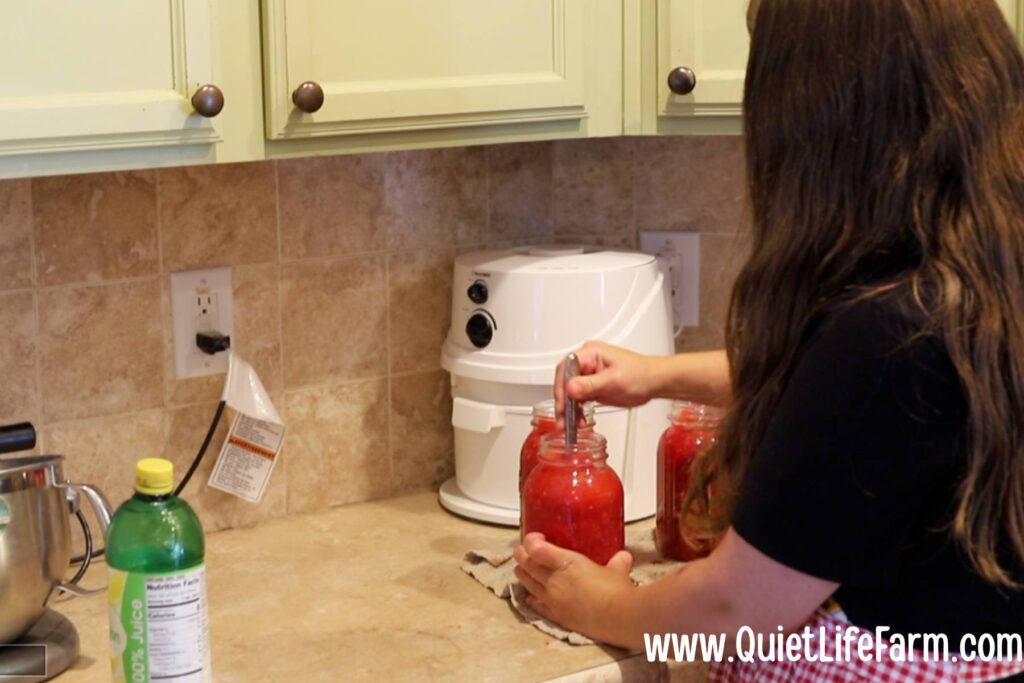
One mistake I see fairly often is people waiting until they’ve moved onto their dream property before trying to learn everything.
Suddenly they’re caring for animals, maintaining acreage, growing a large garden, fixing fences, and preserving food—all while trying to learn each skill from scratch.
That’s a recipe for unnecessary stress.
Every homestead has daily chores that simply must be done. When those responsibilities are combined with not knowing how to do them yet, mistakes become much more likely.
Those mistakes can cost time, money, and confidence.
Learning the skills first allows you to step into homesteading feeling prepared rather than overwhelmed.
Learn Safe Food Preservation
Food preservation is one of the most valuable homesteading skills you can develop, but it’s also one of the skills that deserves the greatest respect.
Canning, in particular, isn’t something to learn through guesswork.
You can’t simply fill a jar with food, place it into a water bath canner, and assume it’s safe.
Different foods require different processing methods, processing times, jar sizes, and in some cases a pressure canner instead of a water bath canner. Understanding why those recommendations exist is just as important as following them.
Take the time to learn safe, research-tested canning practices before preserving food for your pantry. It’s a skill you’ll likely use for decades.
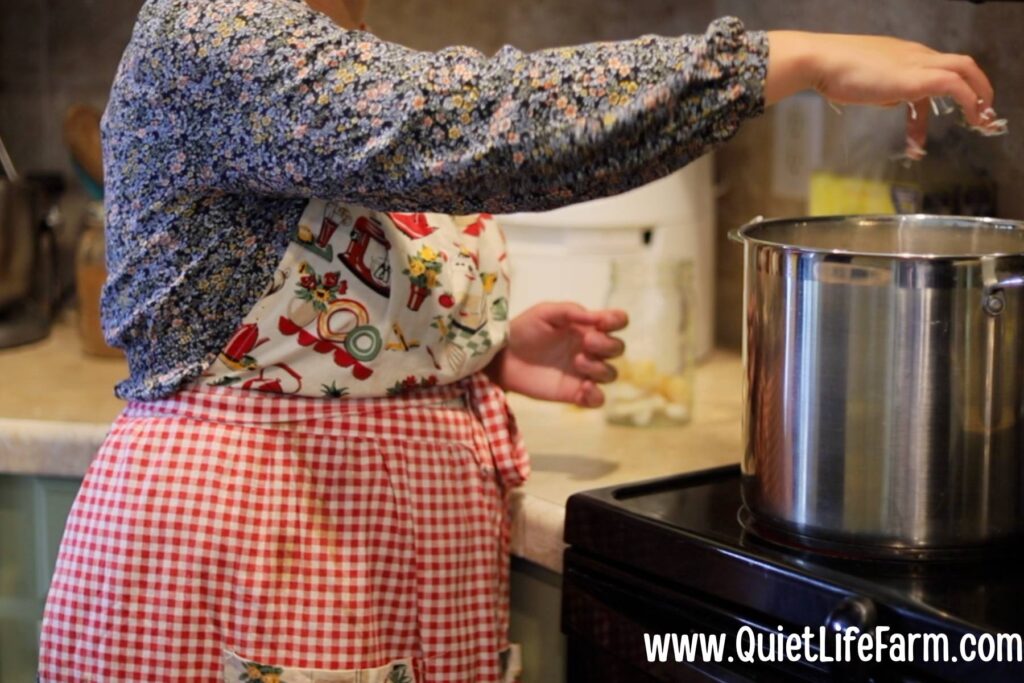
And — it’s one of the easiest and accessible skills to learn. You might be currently living with not a blade of grass to care for. But you probably have a kitchen stove.
Learn Other Ways to Preserve Food
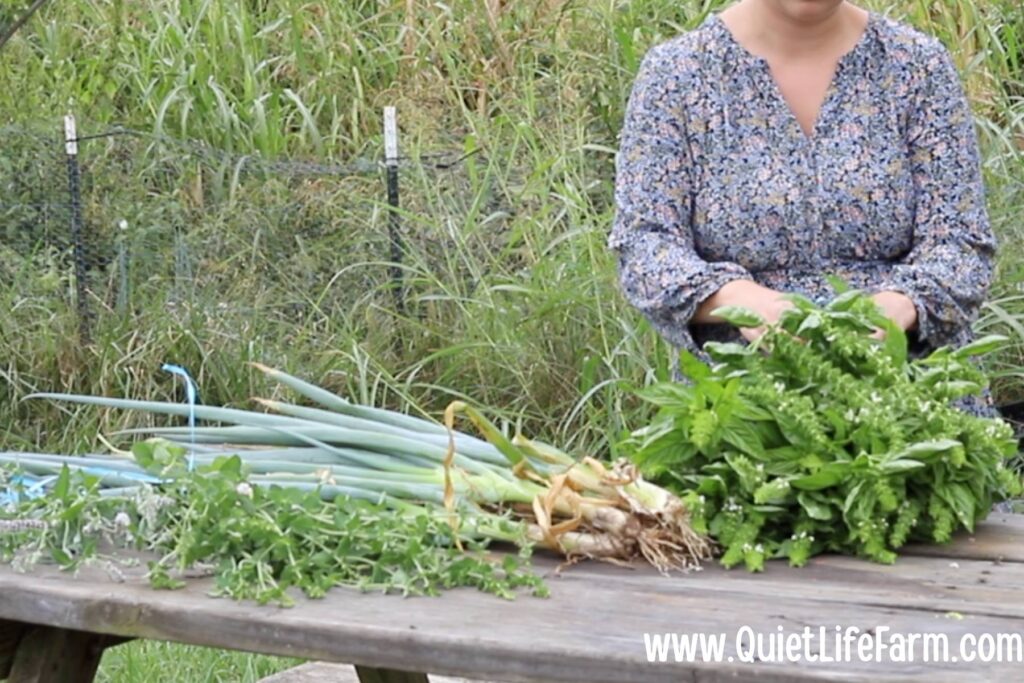
Canning is only one method of preserving the harvest.
Drying herbs, fruits, vegetables, and even some meats can be incredibly useful. Freezing food, fermenting vegetables, and learning how to properly store bulk dry goods are all valuable skills as well.
Many people don’t think about food storage until after they move to the country.
But the reality is that many rural homesteads are located quite a distance from the nearest grocery store. Shopping in bulk becomes much more practical than making several trips each week.
Learning how to safely store flour, grains, beans, rice, oats, and other pantry staples will serve you well no matter where you live.
(This is also another quick note I’ll make on when you’re looking to BUY a homestead. Think about food storage, and lots of it. If the home has only a small kitchen with no pantry and no basement, cellar, or root cellar, you really ought to consider passing on it and moving to another property instead. You don’t know how valuable food storage space is until you’re homesteading and need it. Unless you are planning on freezing absolutely everything you produce, this is an incredibly important thing to consider. I cannot stress this enough. Despite what some people might say about crawl spaces, I want to challenge that and say it is NOT an acceptable or accessible place for food storage.)
Learn From Experienced Homesteaders
If you know someone who already homesteads, don’t be afraid to ask if you can lend a hand.
Many people are happy to teach someone who’s genuinely interested in learning.
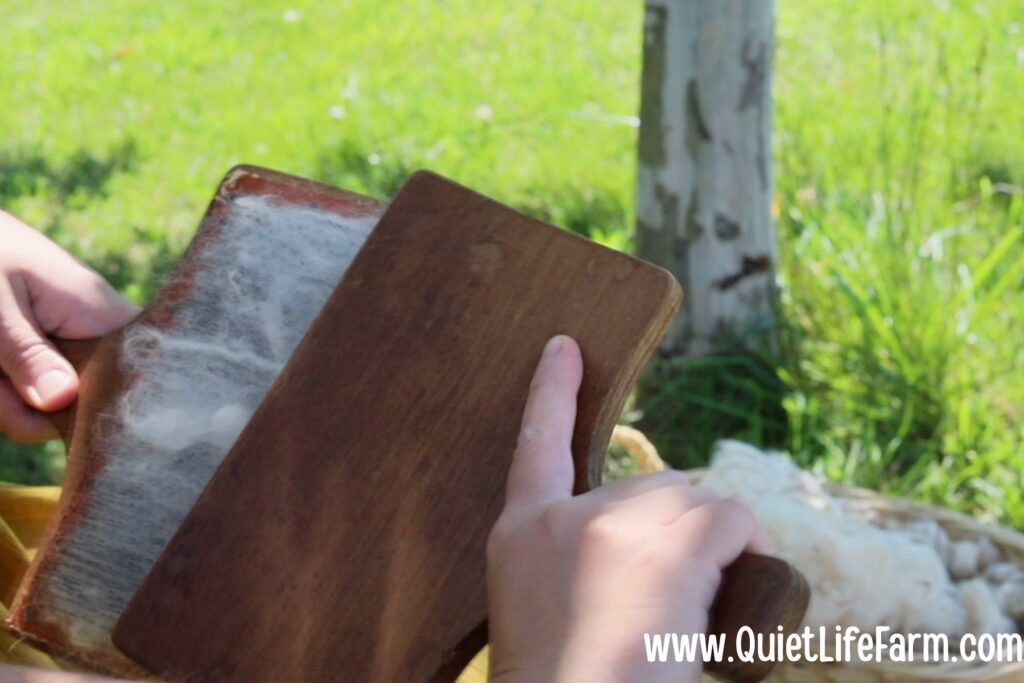
You might have the opportunity to help process animals for the freezer, assist with sheep shearing, learn to spin wool into yarn, stack hay, build fencing, or help preserve a large harvest.
These hands-on experiences teach lessons that simply can’t be replicated through a screen.
And you’ll REMEMBER everything much better by doing it than by watching a couple YouTube videos.
If you don’t know any local homesteaders, don’t be discouraged.
Historic reenactments, agricultural fairs, heritage festivals, living history museums, and traditional craft demonstrations are wonderful places to learn. (and they’re much easier to find in the city, anyway!)
Listening to knowledgeable people explain traditional skills often answers questions you didn’t even know you had.
Many of the everyday skills that were common a century ago remain incredibly useful on a modern homestead.
Read About Traditional Ways of Life
One book series I always recommend is the Little House series by Laura Ingalls Wilder. (or other similar ones that were actually written by people who truly lived through those things)
Of course, today’s homesteaders enjoy many conveniences that Laura’s family didn’t have. Most of us have electricity and indoor plumbing.
But those books offer an honest glimpse into the rhythms of daily life.
You’ll read about preserving food, caring for livestock, making do with what you have, weathering difficult seasons, and the importance of family and community.
While our lives may look different today, many of those same values still shape modern homesteading.
Learn Handcrafts
If you’re drawn to homesteading, there’s a good chance you’re also longing for a slower pace of life.
Learning traditional handcrafts is a beautiful way to begin living that slower life today.
Knitting.
Crocheting.
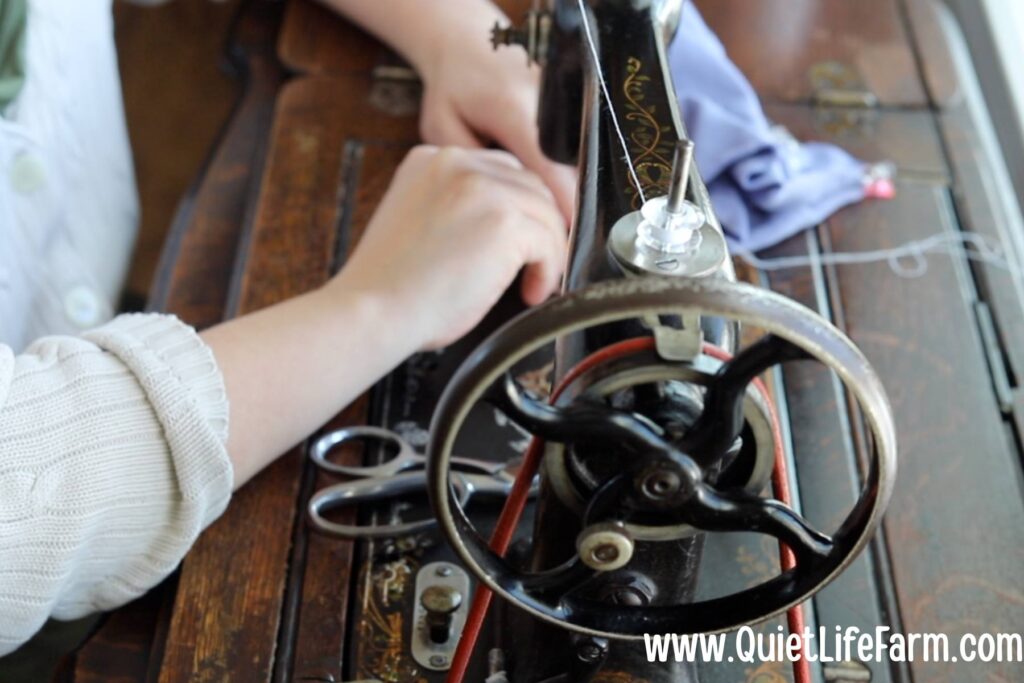
Sewing.
Embroidery.
Wood carving.
Basket weaving.
These aren’t just practical skills.
They’re opportunities to step away from constant notifications and endless scrolling.
Instead of spending another evening moving from one social media app to the next, spend an hour making something with your own hands.
You may discover that creating something brings a deeper sense of satisfaction than consuming another hour of content ever could.
It’s worth it. Trust me.
Begin Living the Life Before You Move
Perhaps the biggest lesson I’ve learned is that homesteading isn’t defined by acreage.
It’s defined by mindset.
Someone living on a quarter-acre lot who gardens, bakes bread, preserves food, repairs what they own, welcomes neighbors into their home, and continues learning new skills may already be living much of the homesteading life.
The land simply gives those skills more room to grow.
If your dream is to homestead one day, don’t spend the waiting years wishing you were already there.
Use them wisely.
Practice.
Experiment.
Make mistakes.
Learn.
Because by the time you finally unlock the gate to your own little piece of land, you won’t be starting from the beginning.
You’ll already be well on your way.