What I Wish I Knew Before Getting Sheep
When we first decided to get sheep, I imagined peaceful mornings watching them graze in the pasture, homegrown wool ready to be spun into yarn, and adorable lambs bouncing through the spring grass.
To be fair, all of those things have happened.
But there were also plenty of surprises that no one really prepared me for.
Actually, the only real “feedback” I got from anyone when telling them we were going to add sheep to our homestead is that sheep are awful and they’d tear out all our pasture down to the dirt. (spoiler: that did NOT happen)
If you’re thinking about adding sheep to your own homestead, here are a few things I wish I had known before we brought ours home.
Sheep Need Friends
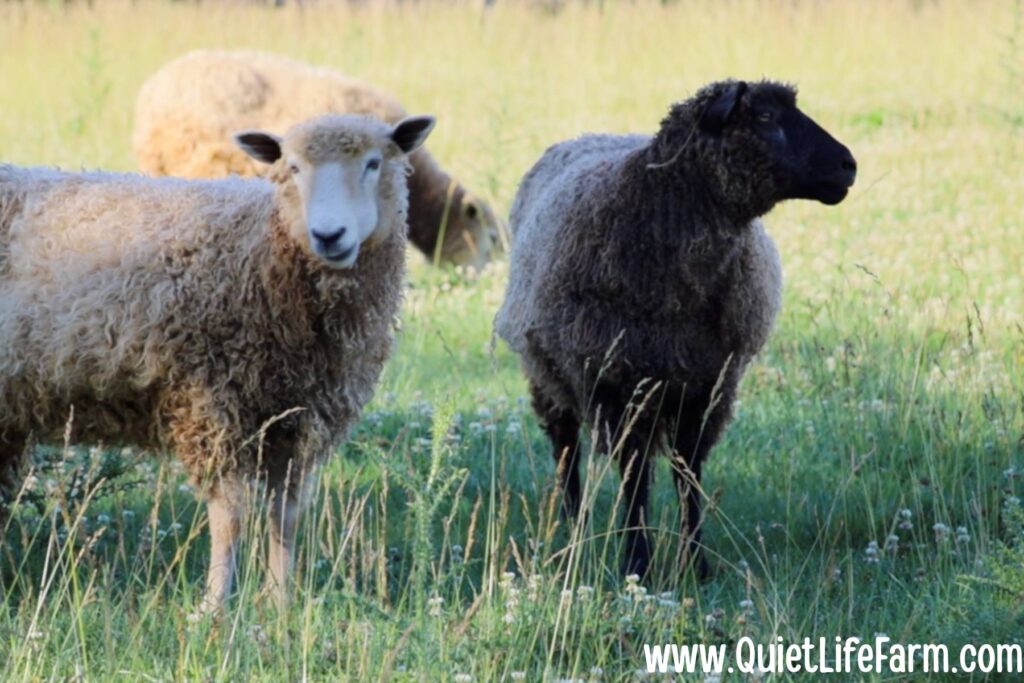
This might be obvious, but one of the biggest surprises for many new shepherds is that sheep should never be kept alone. I think it’s important to note that.
Sheep are flock animals. They find comfort and security in being together, and a single sheep can become incredibly stressed without companions.
If you’re planning to get sheep, plan on getting at least two—or better yet, a small flock.
Another animal (cow, goat, etc) will not do. It really needs to be another sheep.
Fences Matter More Than You Think
Before getting sheep, I assumed any old fence would do.
I quickly learned otherwise. (they can really jump, guys)
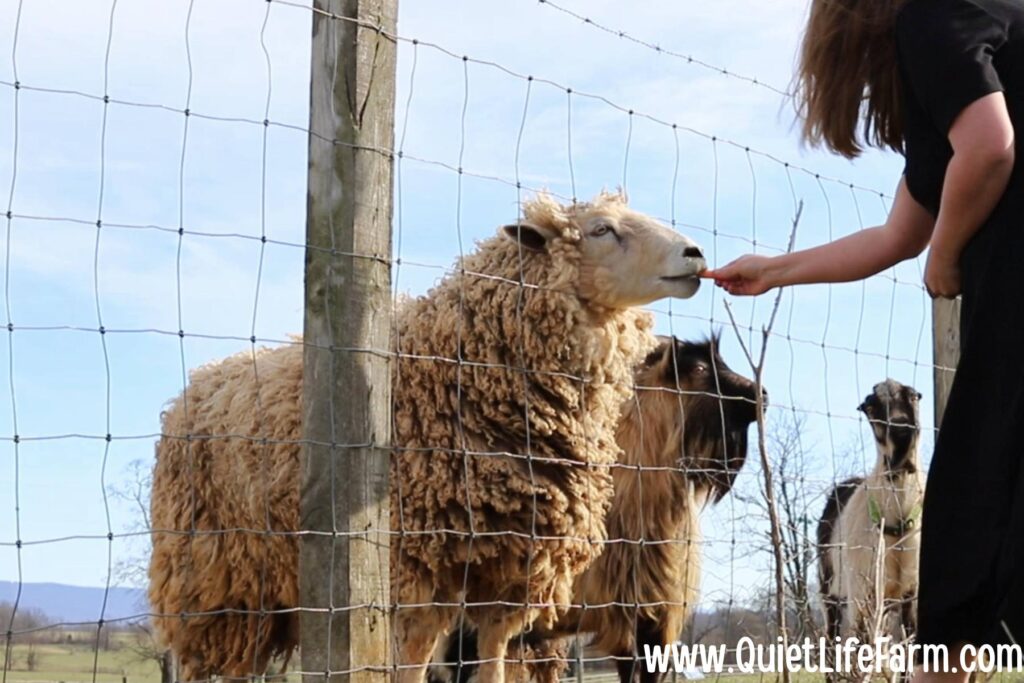
Good fencing protects your sheep from wandering away, but more importantly, it helps protect them from predators. Taking the time to build sturdy fencing from the beginning saves a lot of headaches later.
That all being said, owning both sheep and goat, our sheep respect fencing about a thousand times better than goats do.
If you’ve had goats before and are considering sheep — don’t worry. They’re really not anywhere near as professional escape artists as goats are.
Wool Doesn’t Take Care of Itself
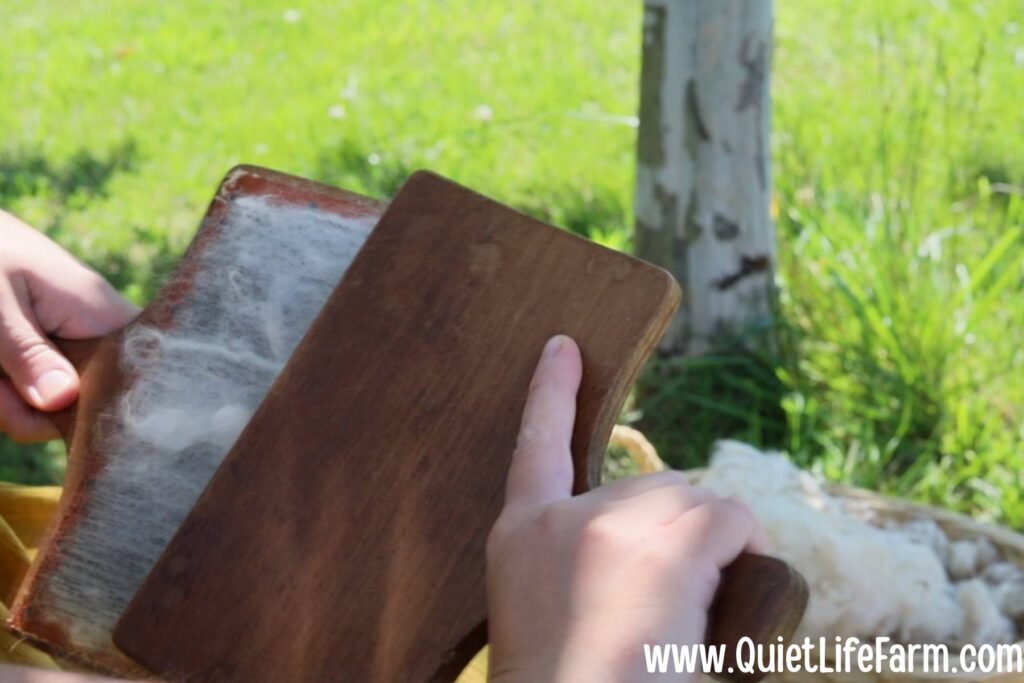
One of the reasons I wanted sheep was for their beautiful wool.
What I didn’t fully appreciate was how much care that wool requires.
Depending on the breed, sheep need to be shorn regularly. Their fleece also collects burrs, hay, and bits of vegetation if you’re not careful about where they graze or how you feed them.
The better you care for the fleece throughout the year, the easier it is to process later.
They Have Their Own Personalities
Each sheep has its own personality.
Some are curious.
Some are cautious.
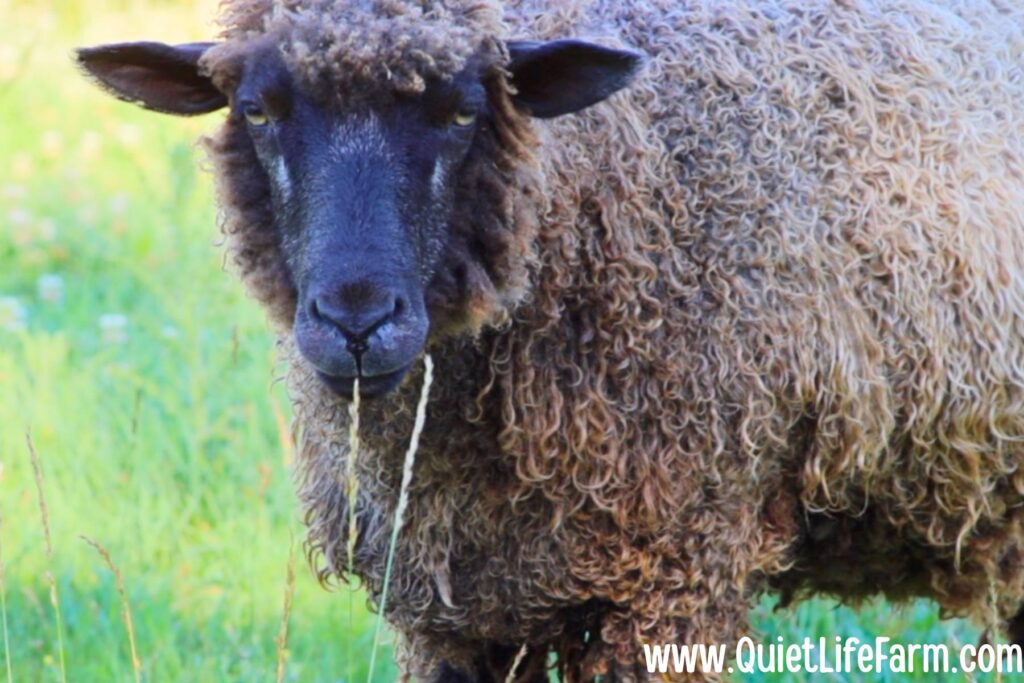
Some happily greet us every morning, while others would much rather keep their distance.
Getting to know each animal has become one of my favorite parts of raising them.
Generally speaking, are they as friendly as some of our other livestock species?
Absolutely not.
Truly, they are the most timid.
But give them (safe) treats and teach them to come when you call. Not only is this handy if they ever escape, but there’s nothing like calling out, “Sheeeeeeeeeeep! Here sheep!” and seeing an entire flock of cottonballs charging towards you.
Their Health Is Finicky
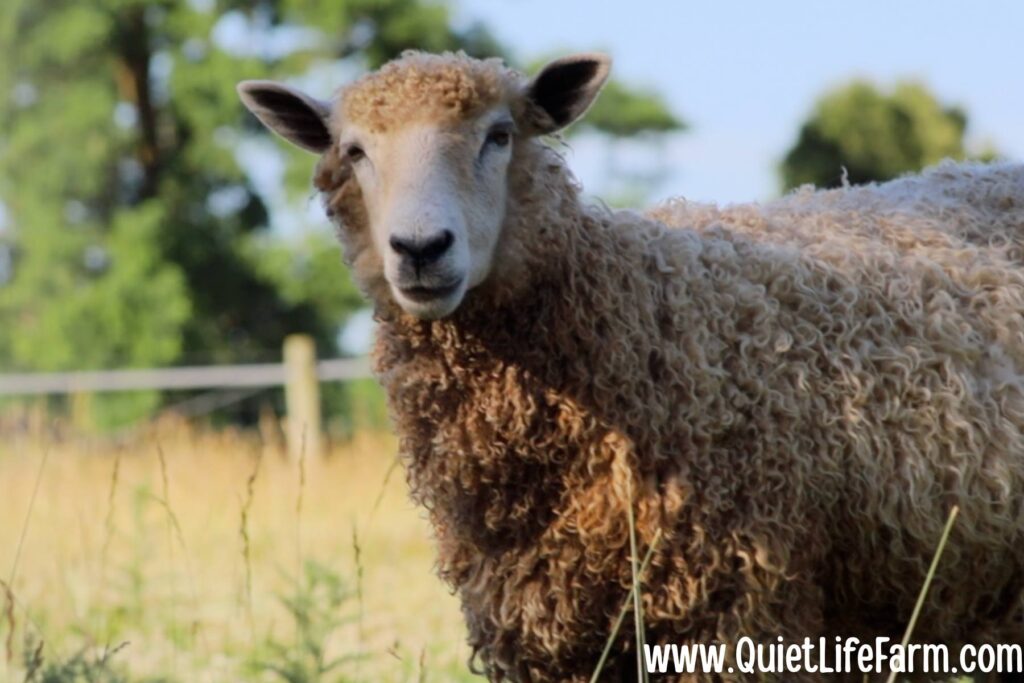
Now, I kind of had a heads up about this before getting sheep, as I had definitely done substantial research on sheep before getting them.
But honestly, people told me that goat health was finicky, and then when we got goats, we ended up have so few health issues of any kind throughout the years.
So maybe I was a little full of myself in thinking that it would be the same way with sheep. That somehow we just had this magical pasture that never caused any parasite issues and had all the perfect balance of vitamins and minerals to keep every sheep healthy.
But yeah, that’s not the case.
Sheep health really is pretty dramatic.
Keep every remedy on hand before getting sheep — both allopathic and holistic, because if it comes down to it, no matter how “crunchy” you are with your animal care, you’re going to want both options.
Check your sheep’s (bottom) eyelids every time they allow you to.
Check on them throughout each day. Keep a close eye on any coughing, limping, lethargy, snotty noses…. and treat it immediately. Seriously, I’ve had a sheep that showed zero signs of sickness, I went out one morning and saw it looked weak, I ran (yes, ran) to grab the medicine I thought might treat the symptoms, and by the time I had gone back to the sheep just a few minutes later, it was already too late.
Sheep. Their health is finicky.
It’s Hard To Find Someone To Shear Them
At least in our area, it’s extremely difficult to find anyone to shear sheep.
The only person that the locals get to come out to have their sheep sheared lives multiple states away and has a very strict (and expensive) schedule.
This ended up not being an option for us, so we became sheep shearers.
Actually, we became sheep shearers SO MUCH that my husband now shears sheep for other local shepherds who can’t get in touch with anyone else to care for their flocks.
So, if you’re getting fiber sheep, be prepared to shear them yourselves.
The electric clippers are kind of terrible if you don’t spend a lot of money on them. We’ve gone through so many and I can’t even recommend any of them to you because they’re all awful. We’re trying hand shears next year. I’ll have to update how that goes once we’ve tried those.
Fiber Is a Long Journey
As someone who enjoys knitting and spinning and using wool as the “stuffing” in my toymaking, I imagined turning wool into yarn (and otherwise) almost immediately.
In reality, there’s a lot that happens between sheep and shawl.
The sheep must be cared for year-round.
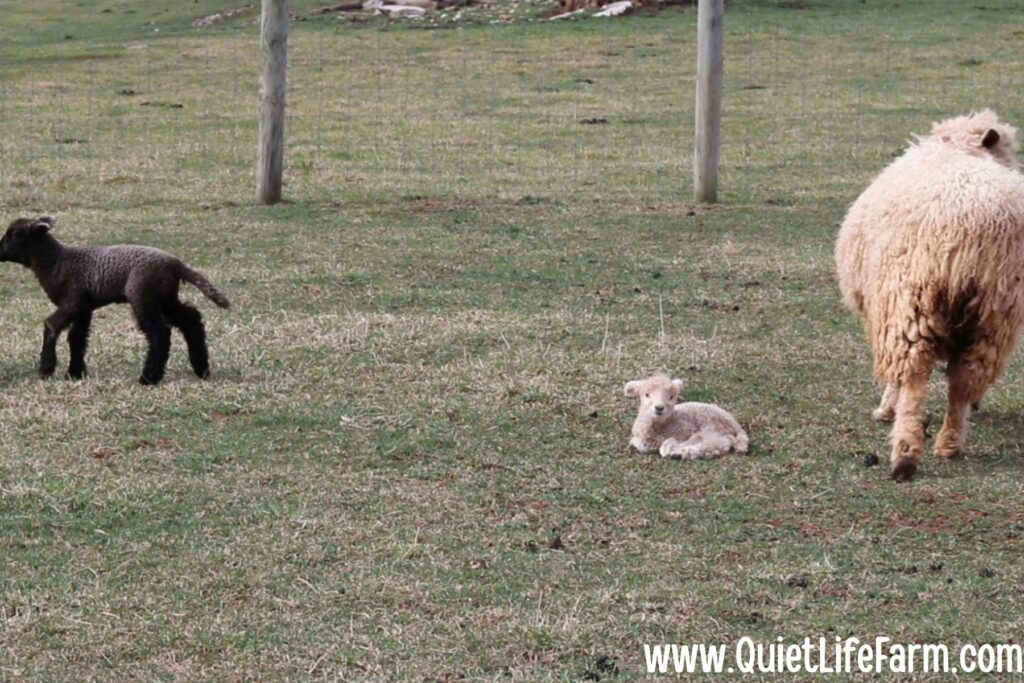
The fleece is shorn.
Then it’s skirted, washed, dried, picked, carded, spun, and finally knitted or woven into something useful.
It’s a surprisingly long process—but one that has given me an even greater appreciation for handmade textiles.
There are Different Grades of Fiber
If you’re looking for fiber sheep (as opposed to hair sheep, which are used just for meat), you’ll want to consider the fiber quality.
I didn’t pay attention to that when I got sheep. I just brought home what was available locally to me.
Which might be your only option, anyway. It can be difficult to come by fiber sheep depending on where you live.
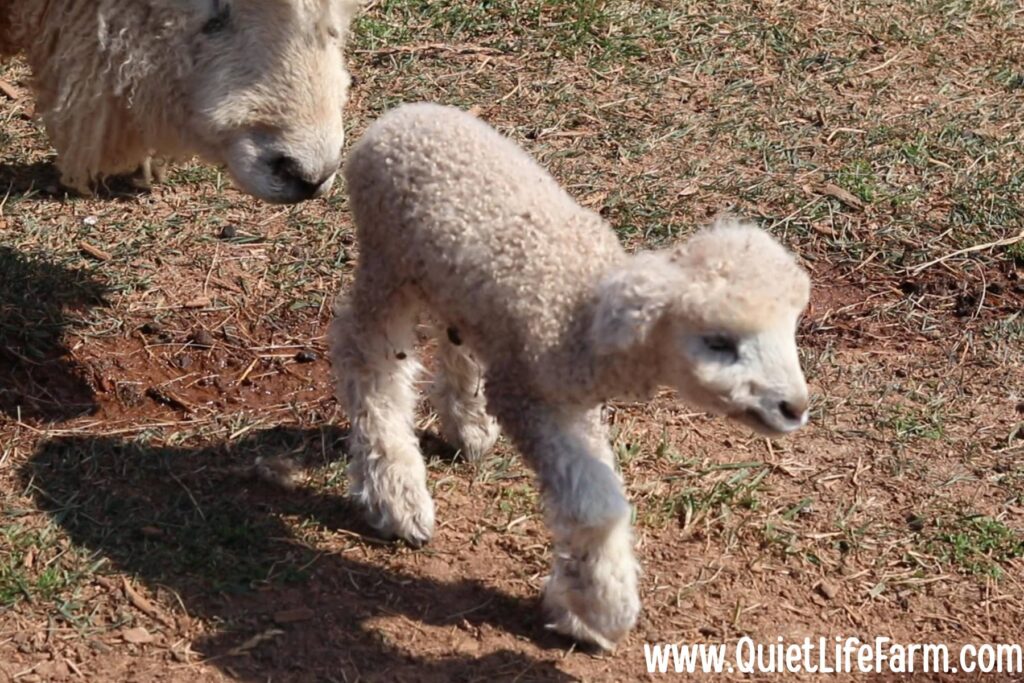
But when I joined a spinning group (the spinning wheel kind, not the exercise bike kind), the local ladies cringed and said, “Oh, that wool will be good for rugs.” when I told them I had a Romney cross sheep.
While I used to think that was a slightly insulting comment, I have learned that since then, no, there really are different grades of wool. And some truly do classify lower quality coarse wools as “rug wool.”
So now, I’m caring for my “rug wool sheep” while actively looking to expand my flock to higher grades of fiber sheep.
And, having both sheep and an Angora goat, spinning and working with both fibers, I can’t even begin to tell you the difference between the Angora goat fiber and my sheep wool. It’s a night and day difference.
Not only that, but the higher quality fiber is even easier to wash. It takes forever to wash my sheep wool until it feels soft enough to work with.
Quality matters.
They “Make” a Farm
If you ask my husband which animals are his favorite on the farm, he will tell you without hesitation that the pigs are his favorite.
He calls them “majestic creatures.” (insert eye roll)
But for me, the sheep are really what I feel like make a farm.
Well, it’s a close tie between the sheep and the milk cows for me.
But the sheep really are special. They feel like home.
I always verbally say “goodbye, sheep!” when leaving the homestead, and always smile and check on how they’re doing when I’m pulling back up my driveway to come home.
I love to watch them graze out in the pasture on a quiet day.
They’re serene in the middle of winter when everything is sad and cold outside.
I really feel that sheep make a homestead feel like a HOMEstead.
Would I Do It Again?
Absolutely.
Sheep aren’t the easiest livestock to raise, and they’re certainly not maintenance-free.
But they have brought beauty, purpose, and a deeper appreciation for the natural world into our lives.
They’ve taught us patience, and that life is fragile. (like, REALLY fragile with sheep)
They’ve connected us to the centuries-old craft of turning fleece into yarn.
And they’ve reminded us that some of the most worthwhile things in life take time.
If you’re considering getting sheep, don’t let the challenges discourage you. Go into it with realistic expectations, a willingness to learn, and the understanding that you’ll probably make a few mistakes along the way.
The sheep won’t mind.
And one day, when you’re holding a skein of yarn made from the fleece of an animal you’ve cared for yourself, you’ll understand why so many people fall in love with these gentle creatures.