The Small Changes That Made Our Homestead More Productive
When people think about making a homestead more productive, it’s easy to imagine major projects.
Building a bigger barn.
Buying expensive equipment.
Expanding the garden.
Adding more animals.
While those things certainly have their place, I’ve found that the biggest improvements on our homestead haven’t come from dramatic changes.
They’ve come from dozens of small ones.
Little adjustments that made everyday tasks easier, reduced wasted time, or simply helped us enjoy the work a little more.
None of these ideas are particularly complicated.
But together, they’ve made a tremendous difference.
We Started Keeping Tools Where We Actually Use Them
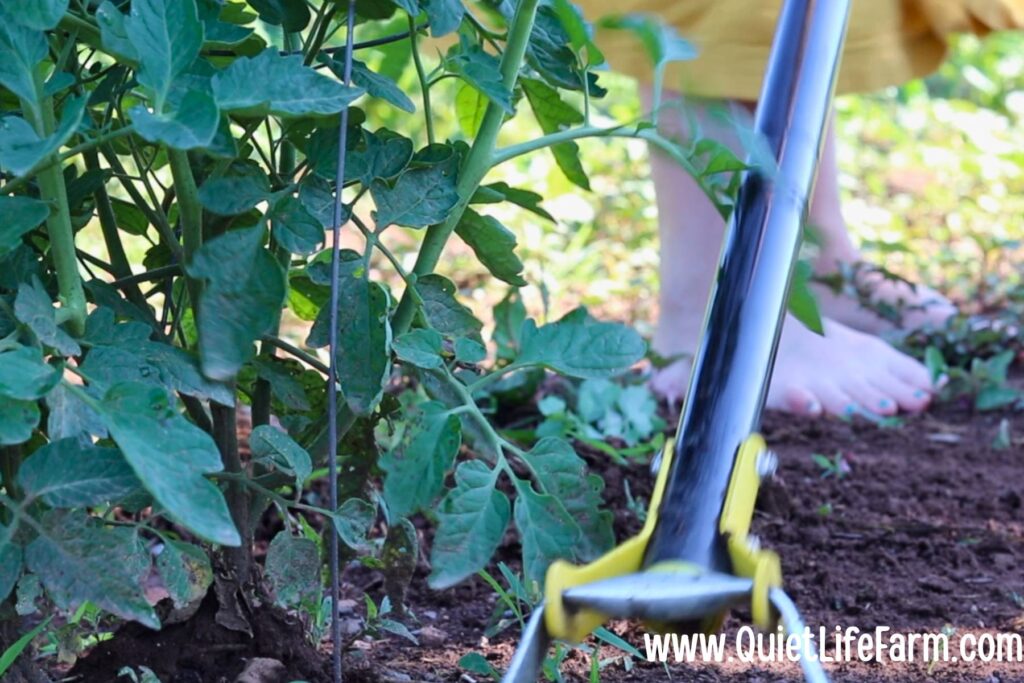
This seems obvious now, but for a long time we stored tools in the shed.
Every project involved walking back and forth looking for what we needed.
Eventually we began keeping some of our tools where they were actually used.
The stirrup hoe and garden rake stay in the garden.
The pitchfork stays out by the barn.
Buckets are literally just everywhere. It’s not glamorous, but it helps.
It doesn’t sound revolutionary, but saving a few minutes dozens of times each week adds up surprisingly quickly.
We’ve Trained Our Animals To Come When They’re Called
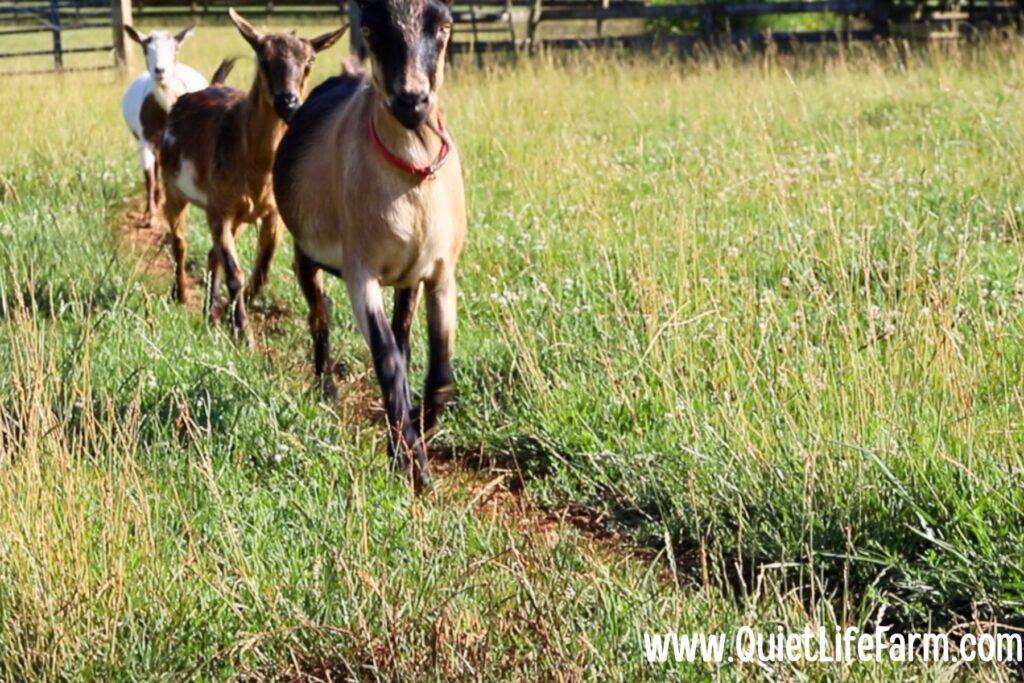
This is one of the most important things.
Because whether your animals have escaped their pen, or whether you need to provide them some sort of medical care, you don’t want to be chasing livestock all over creation.
Whether a new animal is brought home, or whether a new animal is born on our homestead, the very first thing we do is begin to train them to come when they’re called.
Now, I don’t just say, “Here, Sheep!” and have ONLY the sheep come while the cows pigs and everyone else stay where they are.
No…. if I call, “Here, Sheep!” then the chickens and the pigs and the cows and the goats and the geese and the ducks……AND the sheep…. will come running.
But still, the sheep technically come.
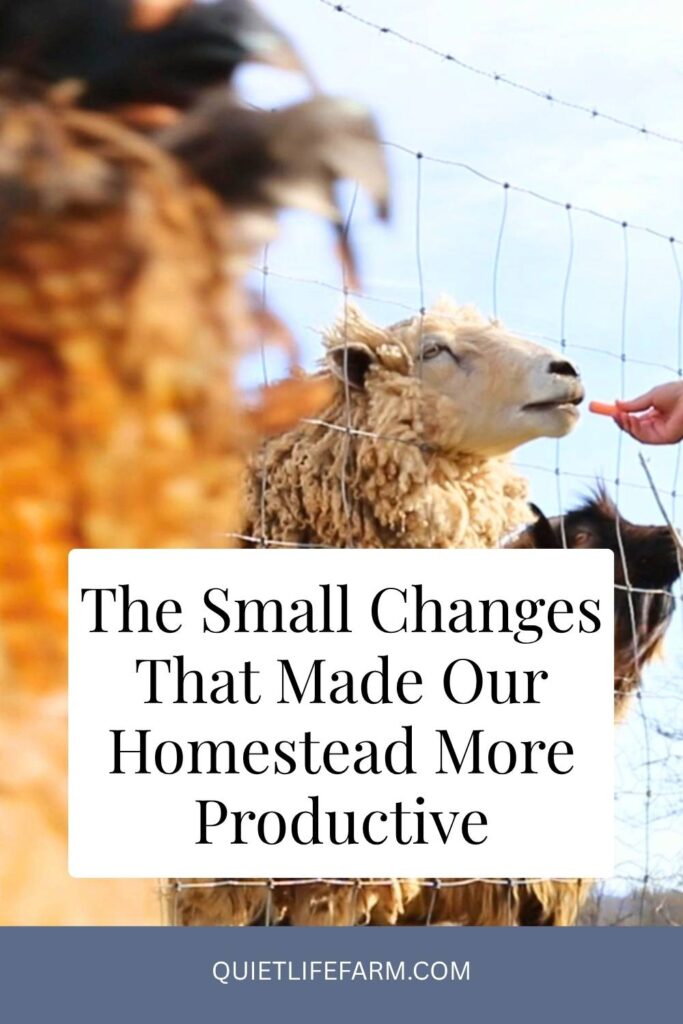
Train your animals to come to the sound of your voice. Practice a “I have feed” tone of voice.
Find some healthy and safe treats. Our favorite that seems to work safely for everyone is some molasses and oats mixed together.
When your animals hear you call, they should expect a treat. So when you really do need them to come, they’ll come without delay.
We Let the Children Help
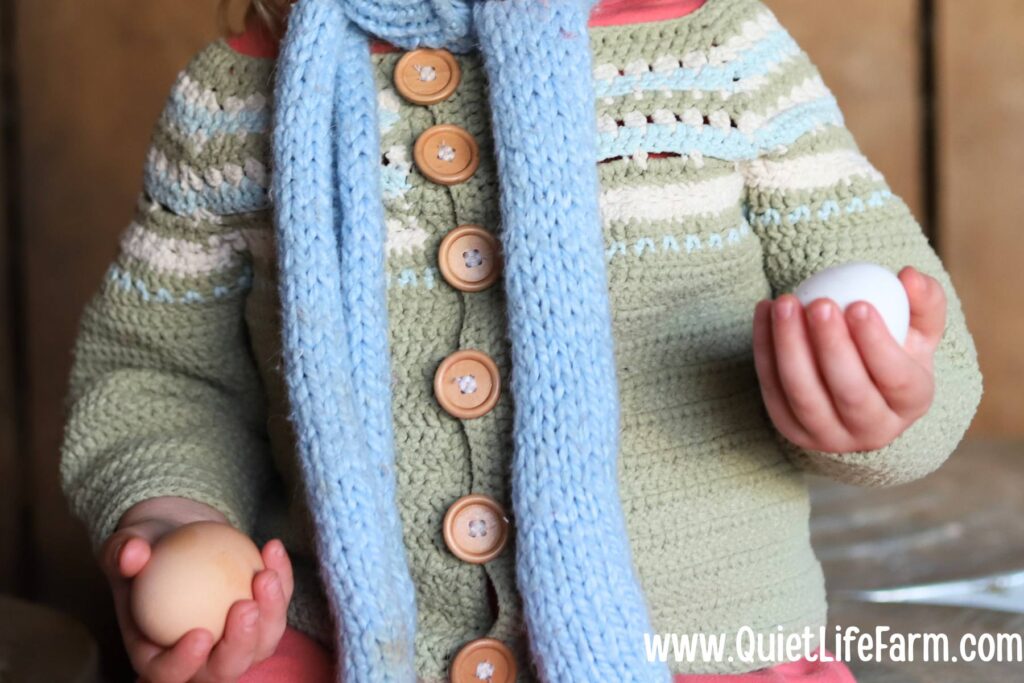
When they’re younger, it takes longer.
Sometimes much longer.
But involving our children has made the homestead more productive in a different way.
They’re learning how to care for something outside of themselves.
Developing responsibility and confidence.
Feeling like valued members of our family team, because they ARE valued members of our family team.
Today’s little helper becomes tomorrow’s capable big kid.
That’s an investment worth making.
The 2 year old might be pulling leaves off your garden plants instead of produce.
The 4 year old might be getting distracted and spraying the hose somewhere that’s NOT in the trough.
But then the 8 year old is carrying a bag of chicken feed down to the pasture to effectively feed the chickens in the chicken tractor. When it seems just like yesterday that they were dropping all the eggs that they had just collected from the chicken coop.
We Learned to Finish One Small Job Before Starting Another
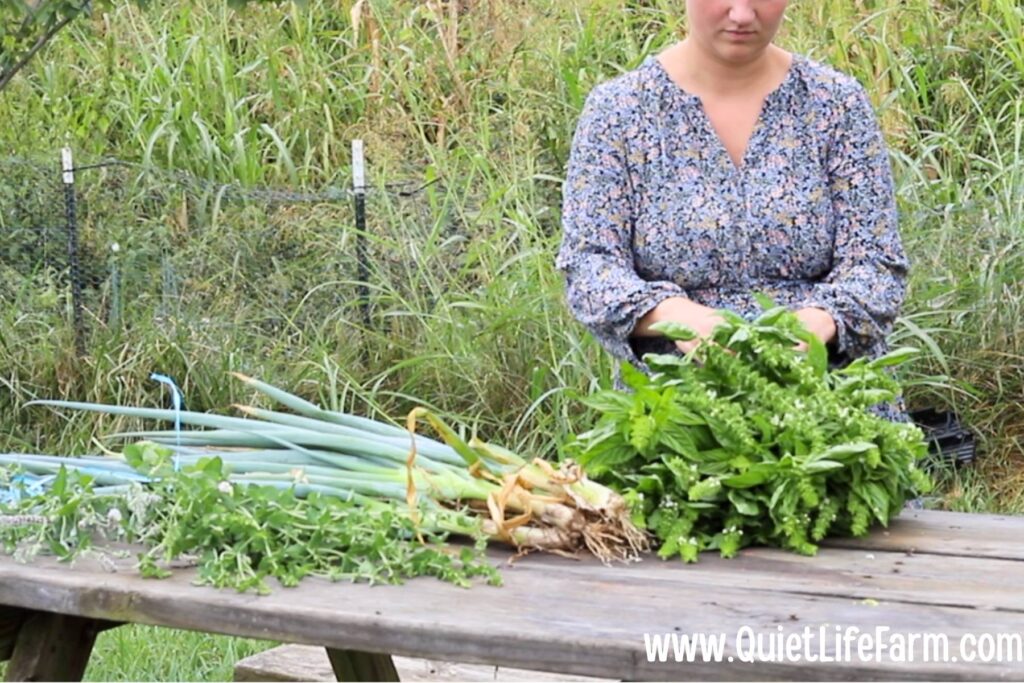
It’s easy on a homestead to notice ten things that need attention before you’ve finished the first.
I’d head outside to water the garden.
Then notice weeds.
Then remember the chickens needed fresh bedding.
Then see a bit of fencing that could use some attention.
By the end of the day, I’d started six projects and finished none.
Now I try to complete one task before moving on to the next whenever possible.
Not always—but more often than before anyway.
The sense of progress is worth it.
Make a project list. Create an order (start with the ones that will be finished the quickest first). And stick to it.
We Began Working With the Seasons Instead of Fighting Them
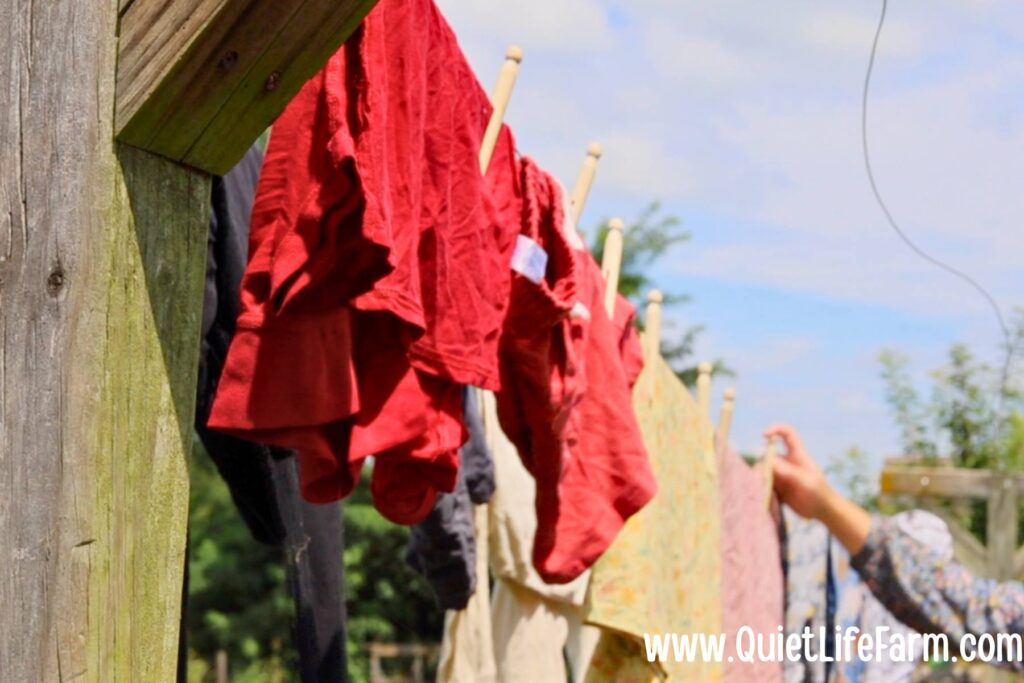
One lesson every homesteader eventually learns is that nature has its own schedule.
Trying to force tomatoes to ripen faster doesn’t work. (at least not naturally, and that’s kind of why we’re here, isn’t it?)
Neither does planting before the soil is ready.
Instead of constantly feeling behind, we’ve learned to lean into the rhythm of the seasons.
Spring is for planting.
Summer is for tending.
Autumn is for harvesting and preserving.
Winter is for planning, repairing, sewing, knitting, resting, and dreaming about next year. And all the inside projects we neglected during the warmer months, because who can resist being outdoors?
Each season has its own work.
We Chose Quality Over Quantity
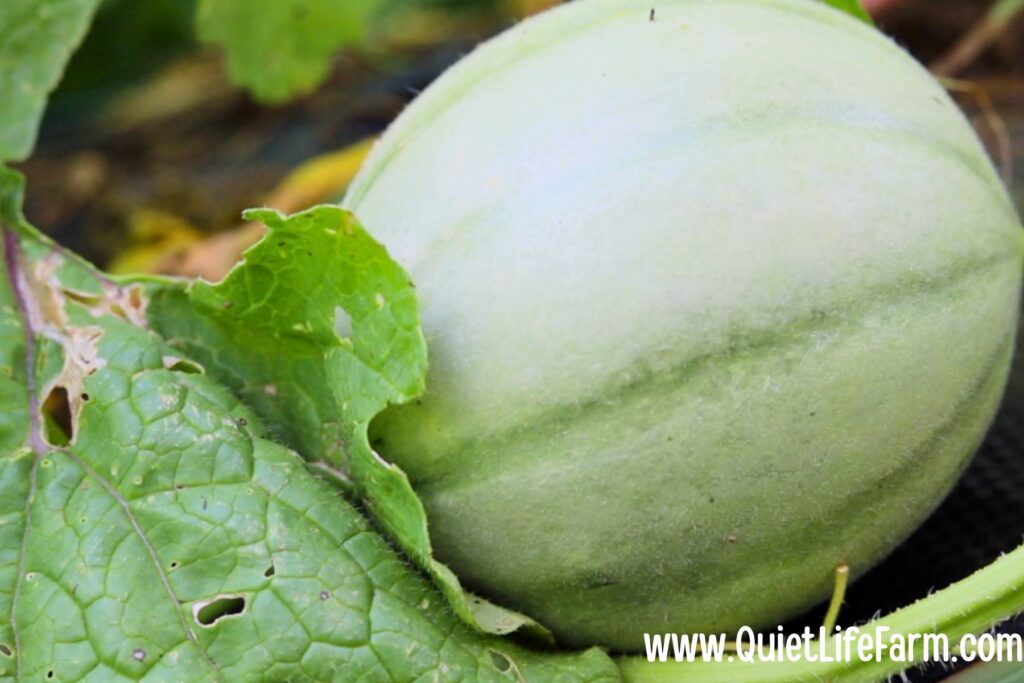
Early on, it was tempting to try everything.
Grow every vegetable.
Raise every animal.
Learn every skill.
Eventually we realized we’d rather do a few things well than many things halfway.
A well-tended garden often produces more than a neglected one twice its size.
Several rows of green beans instead of half rows of a bunch of different plants gives a much more satisfying, bulky harvest worth preserving.
A handful of projects completed thoughtfully brings more satisfaction than dozens left unfinished. (just don’t judge me on all of my half finished sewing projects)
We Started Making Lists the Night Before
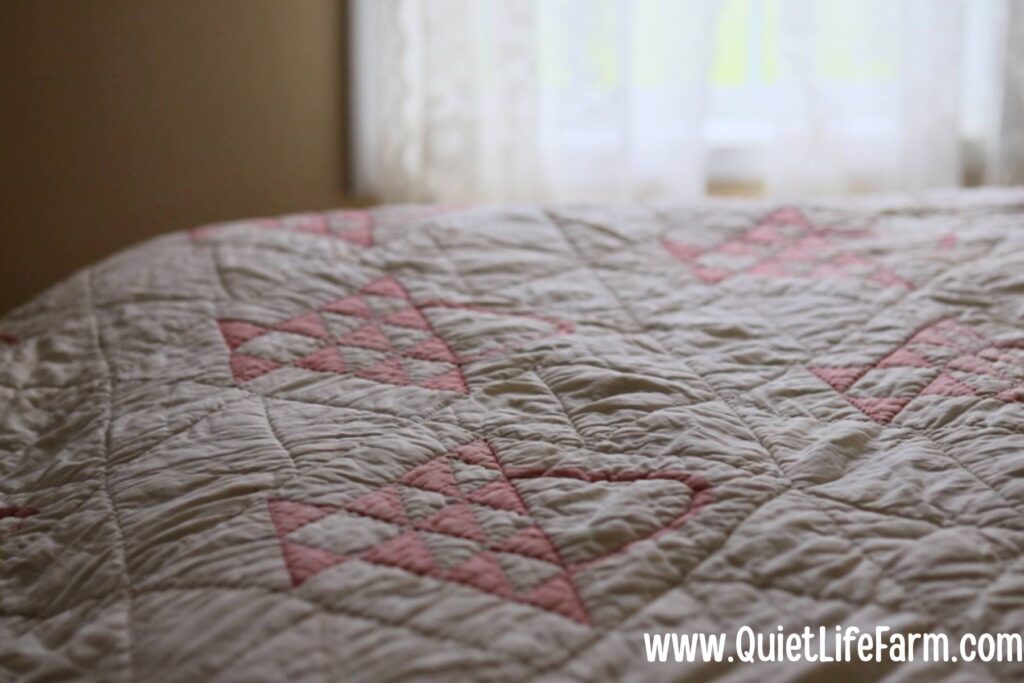
This habit has saved more time than I expected.
It’s not only something that saves time, but it’s something that will get everyone on the same page. (literally)
Before going to bed, jot down a few things I’d like to accomplish the next day. (or over a period of time)
It doesn’t have to be overwhelming.
Just two or three priorities to fit into each day.
When morning comes, your family won’t waste time wondering where to begin.
Everyone can just work together and get started.
We Stopped Waiting for Perfect
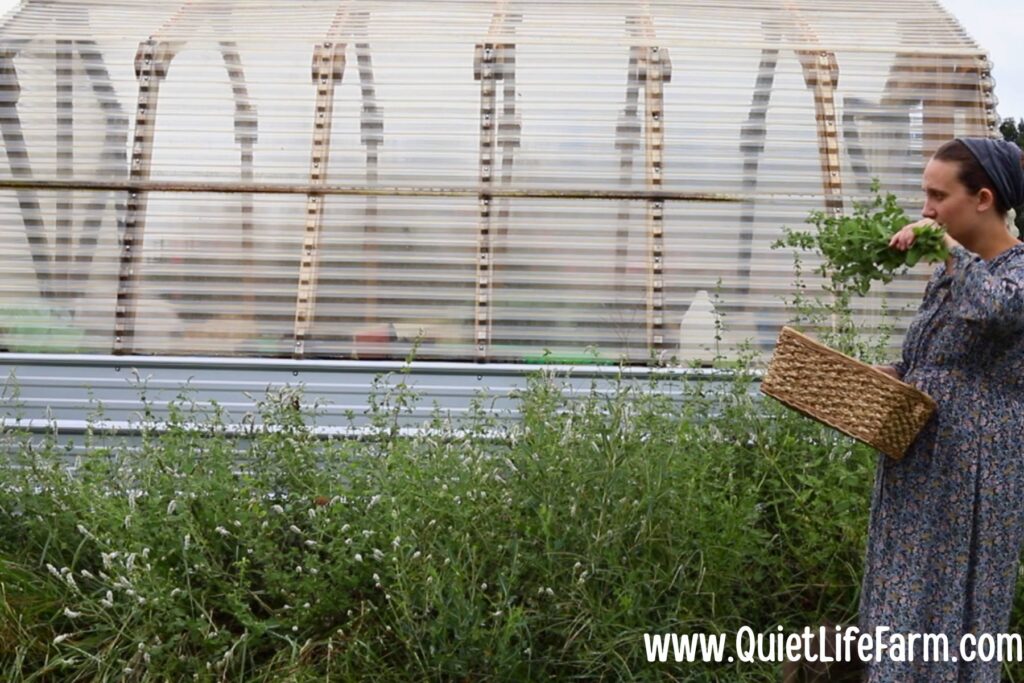
For years I thought certain projects required the perfect conditions.
The perfect weather.
The perfect amount of time.
The perfect plan.
The perfect amount of money to “do it right.”
But many worthwhile things begin with imperfect action.
Plant the seeds.
Bake the bread.
Start the sewing project.
Build the raised bed.
Do without.
Small progress almost always beats waiting for perfection.
We Learned to Use What We Already Had
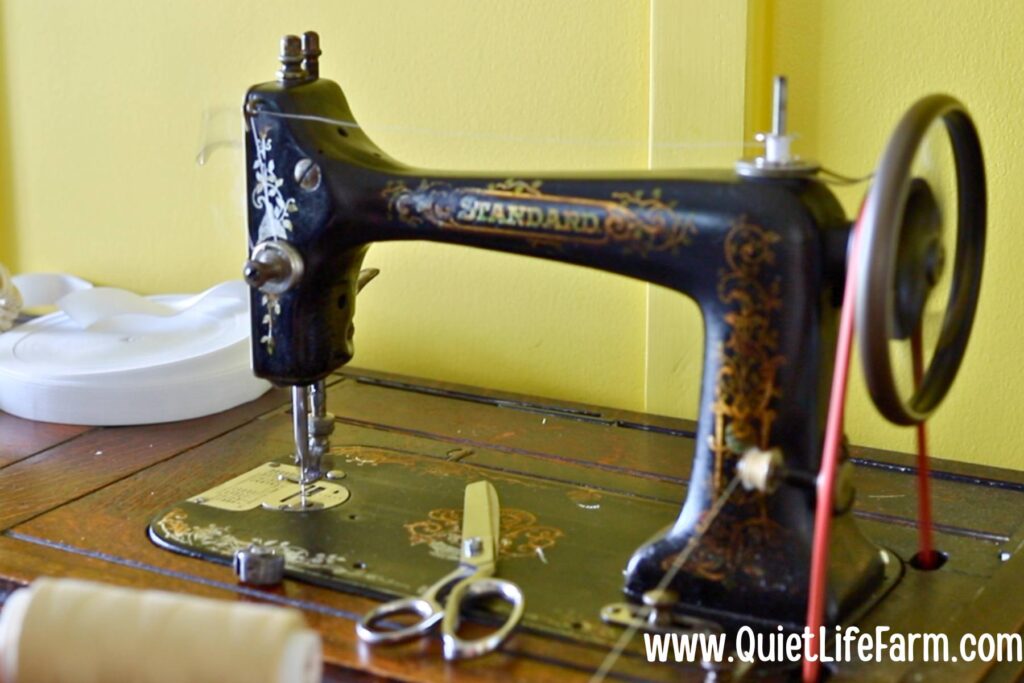
Homesteading has a way of encouraging creativity.
Instead of immediately buying something new, we’ve gotten into the habit of asking ourselves:
“Could we make this?”
“Could we repair it?”
“Could we repurpose something we already own?”
Not every project can be solved this way.
But many can.
And those small decisions have saved money while encouraging us to become more resourceful.
We Built Habits Instead of Chasing Motivation
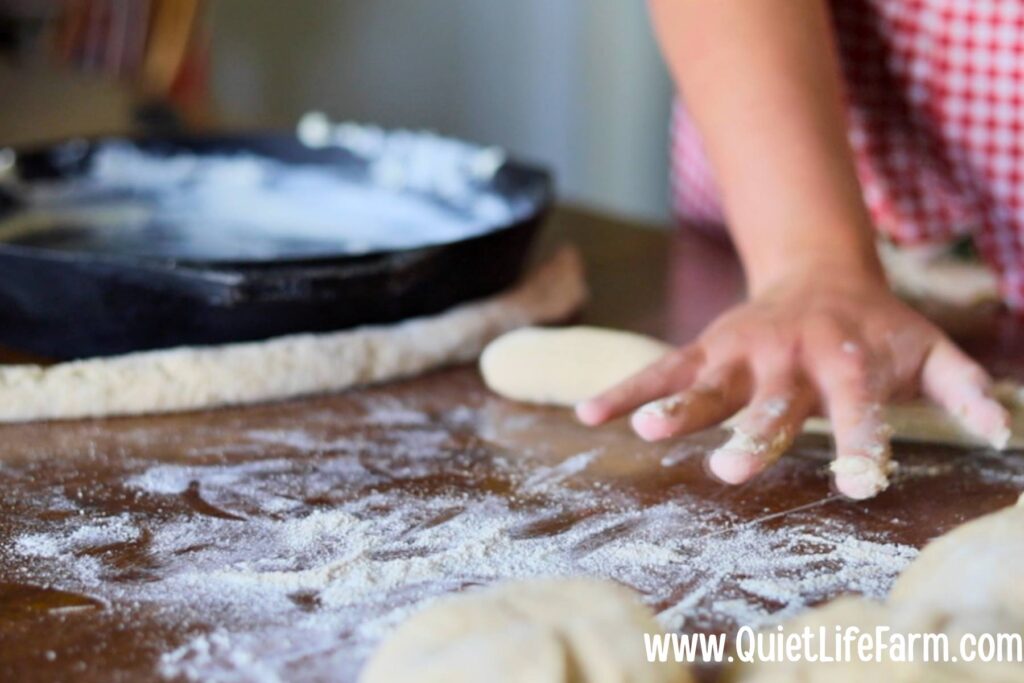
Some days I’m excited to weed the garden.
Other days… not so much.
But the garden doesn’t really care how motivated I feel.
It simply responds to consistent care.
I just have to care for it anyway.
The same is true for feeding animals, baking bread, writing blog posts, or working on a knitting project.
Small habits repeated over time accomplish far more than occasional bursts of enthusiasm.
Push through and get things done anyway.
My favorite question to ask myself is: “What do I want to see DONE at the end of today?”
We Started Appreciating Small Wins
Not every day ends with a full pantry or a finished project.
Sometimes success looks like:
Pulling a bucket of weeds.
Harvesting enough lettuce for dinner.
Mending a favorite sweater.
Cleaning out the chicken coop.
Finishing one row of knitting.
Those little accomplishments are the building blocks of a productive homestead.
Because it’s not just the homestead.
We have jobs.
We have families.
We have friends.
We have social obligations.
We have hobbies.
There are plenty of days where homesteading isn’t all there is.
Productivity Looks Different Here
I’ve realized that productivity on a homestead isn’t about checking the most things off a list.
It’s about creating a life that functions well.
Because that’s why they call it “homesteading,” right? Because it’s centered around the home? A steady homelife?
A productive day might include harvesting vegetables, baking bread, and reorganizing the bathroom closet so that you’re not always trying to grab whatever falls out of the closet when you first open the door before it hits you square in the face.
Or it might simply mean caring for a sick animal, reading with my children, and making sure everyone has happy full bellies before the day is done.
Both are worthwhile.
Our homestead exists to support our family—not the other way around.
If becoming more productive meant sacrificing family dinners, peaceful evenings, or the joy of creating together, I don’t think it would be worth it.
Homesteading is about Home.
Final Thoughts
Looking back, none of the changes that improved our homestead were especially dramatic.
They’re just small changes really.
Almost easy to overlook.
More mindset than anything else, even.
But that’s often how meaningful progress happens.
One better habit.
One better system.
One new skill.
One thoughtful improvement at a time.
Whether you’re just beginning your homesteading journey or have been at it for years, don’t underestimate the power of small changes.
They may not feel significant today.
But a year from now, you’ll be amazed at how far those little improvements have taken you.
After all, a thriving homestead isn’t built in a weekend.
It’s built one ordinary home focused day at a time.