What I Wish I Knew Before Starting My First Garden
Disclaimer: As an Amazon Associate, I earn from qualifying purchases.
When we planted our first garden, I imagined baskets overflowing with vegetables, fresh flowers on the table, and our future children happily picking tomatoes straight from the vine.
But my first couple years of gardening…I grew more learning experiences than actual food.
Like most new gardeners, I thought gardening was mostly about planting seeds and waiting for them to grow. It didn’t take long to realize there was so much more to learn. Every season brings new successes, new challenges, and plenty of lessons that simply can’t be learned from a book.
If you’re thinking about planting your very first garden, here are a few things I wish someone had told me before we got started.
Start Smaller Than You Think You Should
One of the biggest mistakes new gardeners make is planting too much. (and planting it too close together)
I understand the excitement. When you flip through a seed catalog, it’s easy to imagine growing everything from pumpkins and corn to strawberries and melons.
But every plant needs watering, weeding, harvesting, and attention.
A small, well-maintained garden will almost always produce more enjoyment than a large garden that becomes overwhelming halfway through the summer.
You can always make your garden bigger next year.
Grow what you want to eat. And for that first year, it’s not a bad idea to purchase some already grown tomato and pepper starts from a greenhouse rather than trying to start the seeds on your own.
Most other seeds (at least in our climate) can be planted directly into the dirt (and do better when they’re planted that way anyway).
But if you want tomatoes and peppers, just buy the plants if you can.
Healthy Soil Matters More Than Almost Anything Else
When I first started gardening, I focused on the plants.
Now I focus on the soil.
Healthy soil produces healthier plants, better harvests, and fewer problems throughout the growing season.
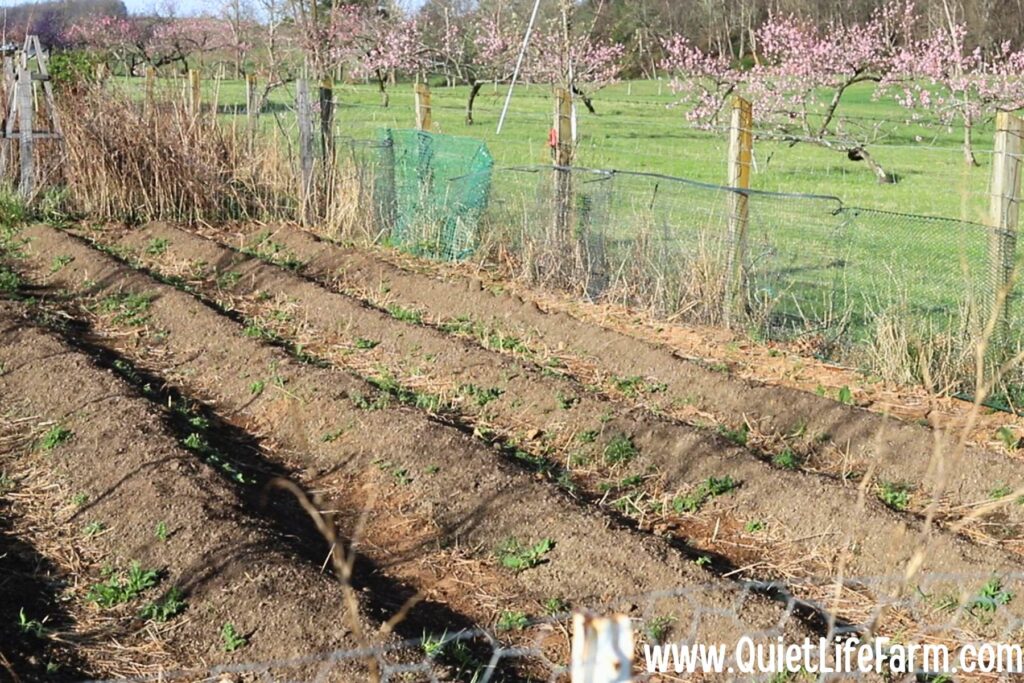
Adding compost, protecting the soil with mulch, and avoiding unnecessary tilling have made a tremendous difference in our garden over the years.
If you invest in your soil, your plants will thank you.
In my first garden, I had a backyard where the top soil had been completely stripped away from the builders many years ago. And it had never recovered.
The soil was absolutely terrible. Even the grass didn’t like growing there.
If the grass doesn’t even want to grow, your fruits and veggies won’t want to grow there, either.
If you have poor soil and want to start gardening immediately, plant in a raised bed.
OR, amend with compost. Do a “no dig” method where you lay down a layer of cardboard over the dirt (to suppress any weeds), lay compost over top, and let it sit over winter. Come spring, plant directly into that compost.
It is a great way to start improving your soil’s health Year 1, while being able to successfully garden nutrient dense food Year 1.
You Will Lose Some Plants
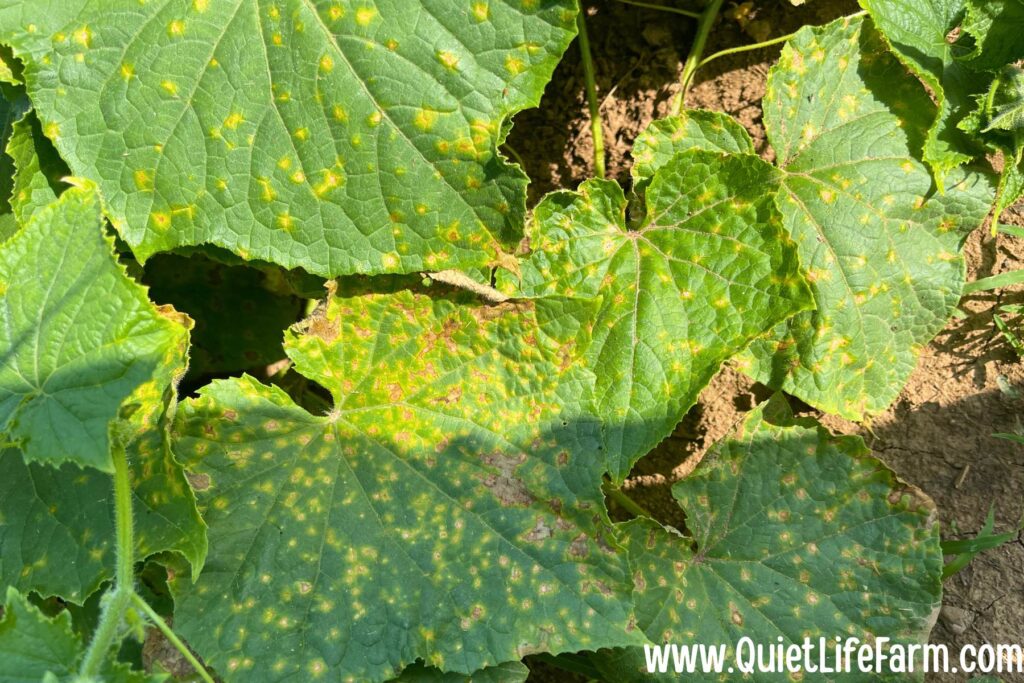
No one likes to admit it, but every gardener loses plants.
Seeds fail to germinate. (choose a good seed company — but even the most reputable seed companies will have bad years. Believe me, a certain popular seed company was all the talk at a homesteader’s conference a few years ago because NOBODY had successful germination with them that year)
A late frost arrives unexpectedly. (that’s how we had to replant our entire garden this year)
Insects discover your favorite lettuce. (pro tip — plant heirloom seeds if you’re able. Insects don’t bother heirloom plants as much as they do hybrids.)
Sometimes a healthy-looking tomato plant simply struggles for reasons you’ll never fully understand. (eventually, you’ll learn why)
Don’t let those disappointments convince you that you’re not a good gardener.
Every experienced gardener has had failures.
I don’t think anyone has ever had a perfect garden their first year. Part of that is because you have to learn the soil, the sunlight, the land, the pests, wherever you live. It doesn’t even always have to do with your actual gardening skills.
The difference is that they’ve learned to plant again.
Weeds Never Take a Day Off
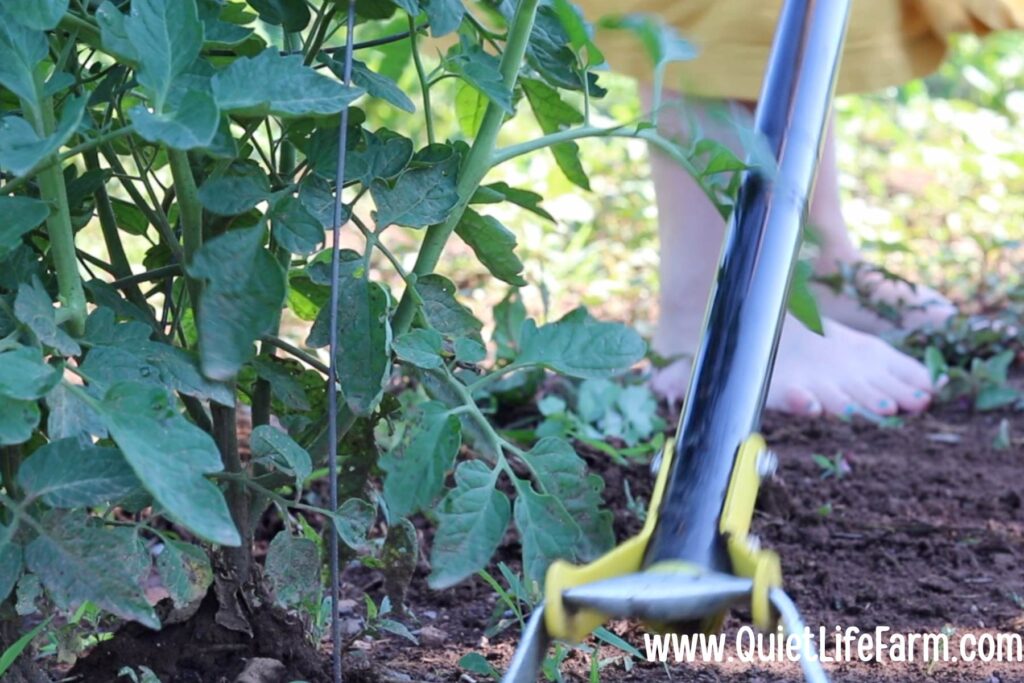
If there’s one thing that’s guaranteed to grow, it’s weeds.
I’ve learned that spending a few minutes pulling weeds every day is much easier than trying to tackle an overgrown garden after several weeks.
A stirrup hoe is going to be your best friend.
Also, whatever this thing is. Literally, I just walk around my yard and pull thistles and weeds out of it to the point that my rural homestead lawn looks straight out of a suburban catalog. It’s become my weird new hobby.
Gardening rewards consistency much more than occasional bursts of effort.
And remember — gardens full of weeds will still grow food, too.
The Garden Doesn’t Have to Be Perfect
For a long time, I thought a beautiful garden meant perfectly straight rows, spotless pathways, and not a single weed in sight.
Now I know better.
Real gardens are lived in.
There are muddy boots by the back door.
Children picking peas before they make it to the kitchen.
The one year old “helping” you pick green beans by pulling the leaves off the plants instead. (I let them. It’s too sweet to stop, and the plants recover.)
Sunflowers leaning where they pleased instead of where I planned.
A few weeds here and there.
Perfection isn’t the goal.
Growing food is.
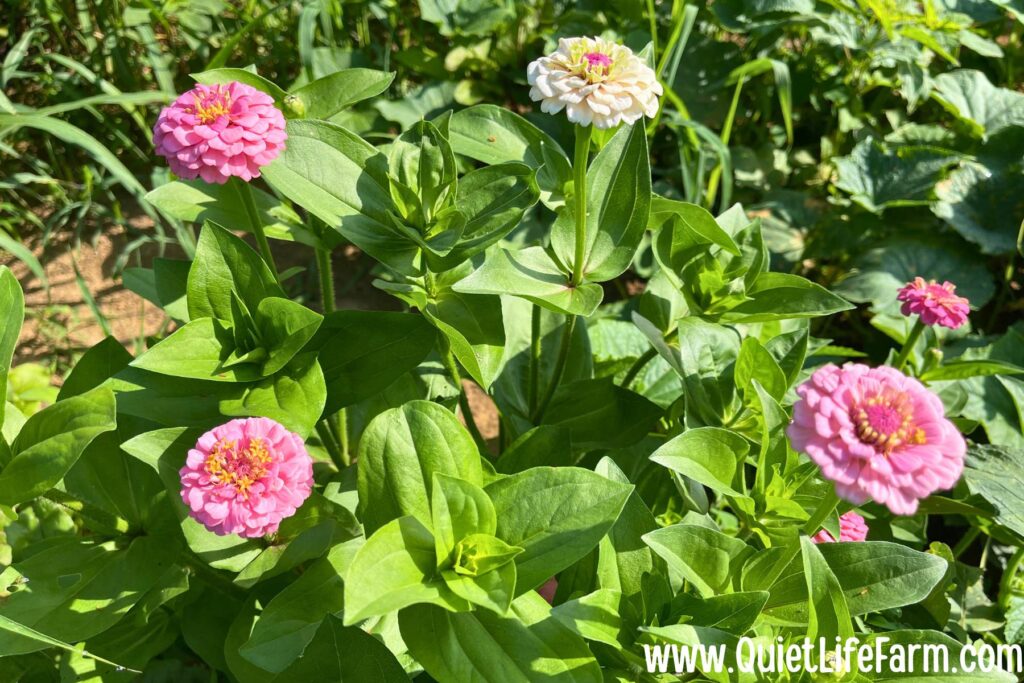
And, in recent years, I purposefully throw in flower seeds EVERYWHERE. Because every year I promise myself I’ll plant more flowers than the last. They bring me so much joy, and I’ve found that the more beautiful your garden is, the more you’ll want to spend time in it.
Plant What You’ll Actually Eat
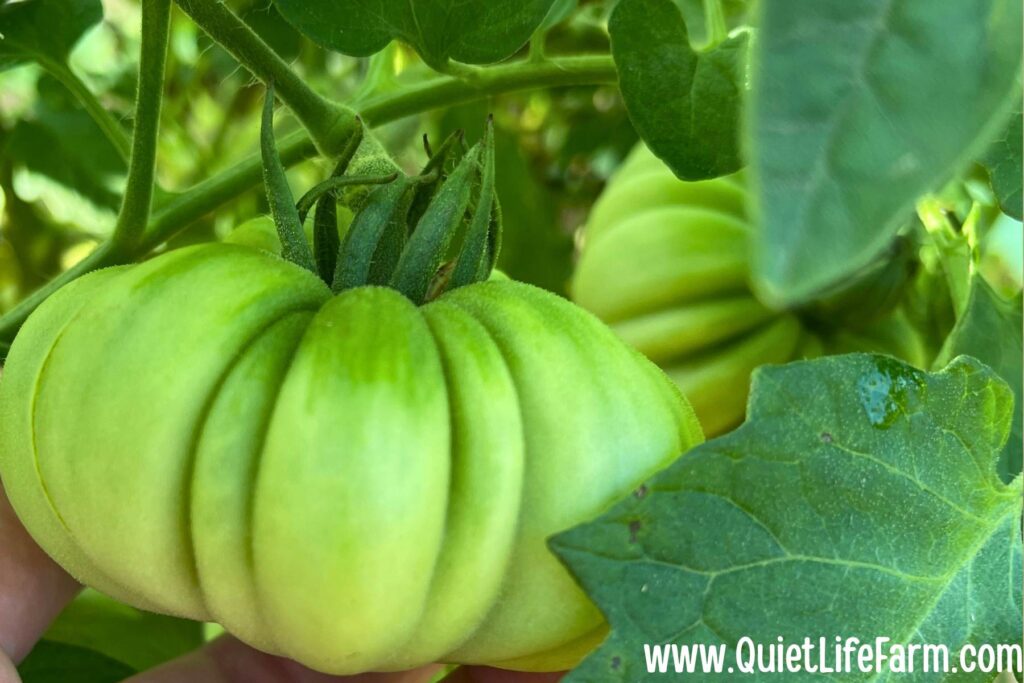
It sounds obvious, but it’s easy to grow vegetables simply because they’re popular.
Or because of a pretty seed packet.
Instead, think about what your family enjoys eating.
If everyone loves green beans, grow more green beans.
If no one likes eggplant, don’t feel obligated to plant it just because someone else recommends it. (I’m sorry, but I just haven’t found an eggplant recipe I like yet.)
And if you don’t know whether or not you like something, plant one plant of it this year. See how you like it. (Or, just buy it at the store first before buying a packet of seeds) Seriously, eggplant isn’t for everybody.
Your garden should reflect your family’s table.
Gardening Takes Patience
One of the greatest lessons gardening has taught me is patience.
Seeds don’t sprout because we’re impatient.
Tomatoes don’t ripen because we check them every hour.
Everything grows in its own time.
There’s something wonderfully humbling about realizing that some things simply cannot be rushed.
Write down the dates you plant things. It will save you a lot of heartbreak and confusion when you just can’t understand why your garden is still a patch of dirt in the spring.
Nature Doesn’t Always Follow Your Plans
Some years are dry.
Some years are rainy.
Some years insects are plentiful.
Other years rabbits seem especially hungry.
Learning to garden means learning to work with nature rather than trying to control it completely.
There are good garden years, and there are bad garden years.
Flexibility is one of the greatest gardening skills you’ll ever develop.
Don’t Be Afraid to Ask Questions
One of my favorite things about gardening is that gardeners love sharing what they’ve learned.
Talk with neighbors.
Visit local garden centers.
Read books.
Experiment! Your garden is in its own microclimate and will always be different than your neighbor’s!
No one knows everything, and every growing season teaches something new.
The Things I’d Plant First
I wish someone had told me the “easiest” things to plant, and what I should plant first.
The very first thing I’d plant first are your fruits.
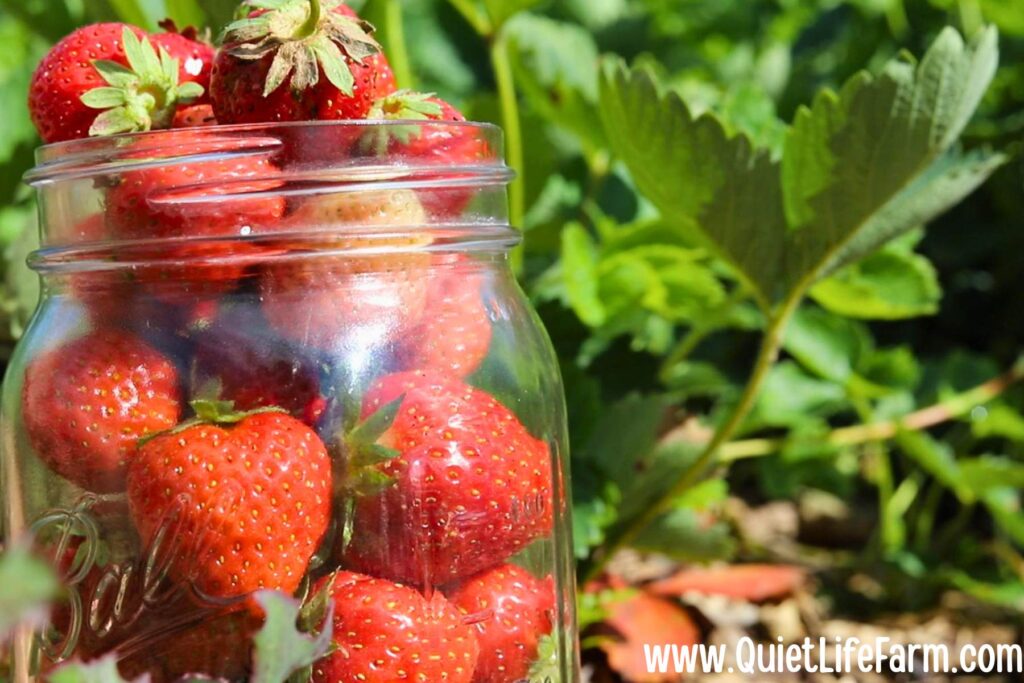
These are your apple trees, your blueberries, your strawberries.
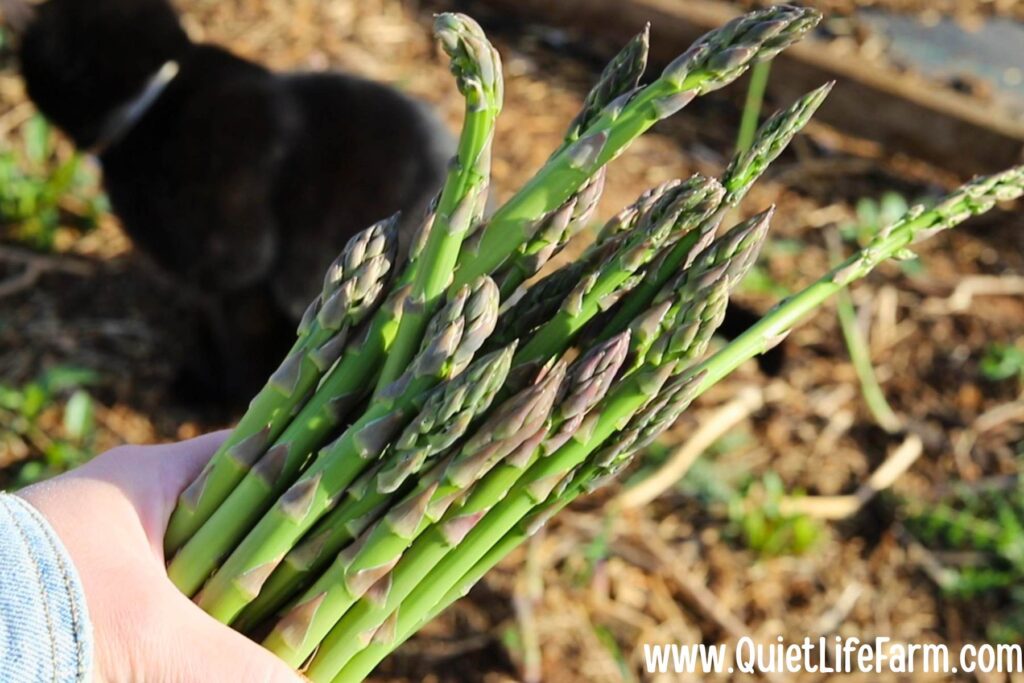
I’d also plant any asparagus if you want asparagus.
Why? Because these things take YEARS to mature.
You won’t be eating apples your first or even second year after planting your apple trees.
Plant all of these things right away.
And plant them properly — dig a BIG hole for your fruit trees, and add lots of compost to the holes before planting your trees.
Plant your blueberry bushes directly into peat moss and mulch them with wood chips. This is the best way for blueberry success in our experience.
If you don’t want your strawberries spreading EVERYWHERE over the years, plant them in a raised bed to better contain them. And this is the one plant I prefer hybrids for — the heirloom strawberries (alpine) are tiny and not as sweet. They also don’t spread the way the hybrids do.
As for your veggies, I’d start with what I find the easiest to plant: Tomatoes, peppers, (buy plants instead of seeds for tomatoes and peppers for year 1) lettuce, radishes, summer squash/zucchini, green beans, corn.
Plant the lettuce, radishes, and beans earlier in the spring (but not too early!). Wait until after your last frost date to plant your tomatoes, peppers, summer squash/zucchini, and corn.
And, just be prepared that squash bugs will probably eat your squash plants at some point. Something that’s helpful is to use a tomato cage and prune the bottom leaves/stems of these plants as they grow, and trellis them off the ground. But for year 1, it’s okay to just accept that the squash bugs will come. Year 1 is your biggest learning experience of all.
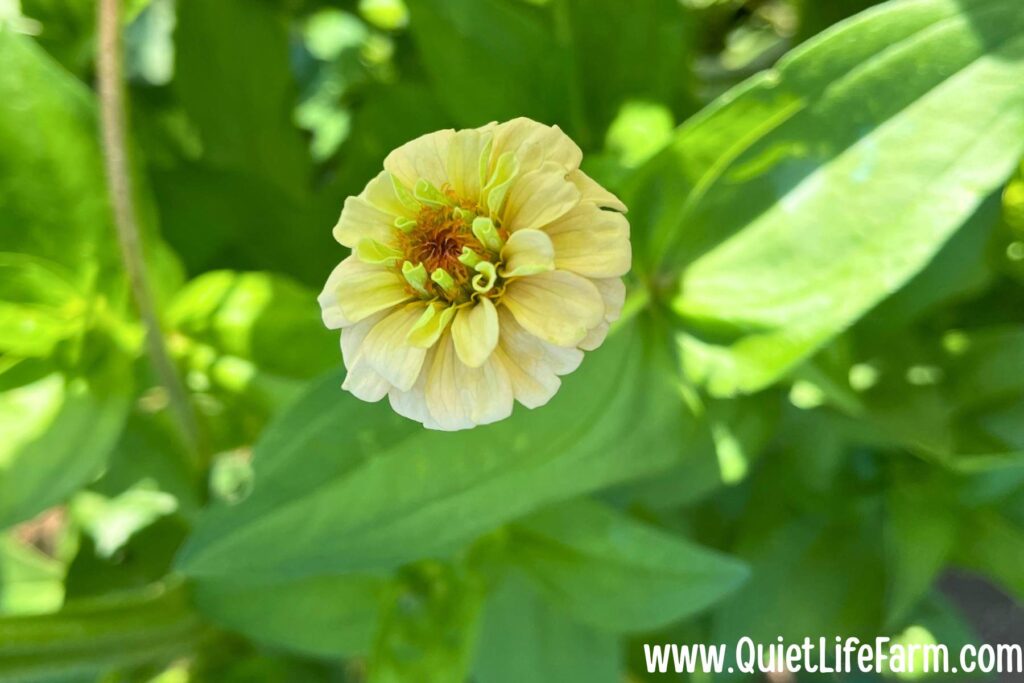
For flowers, sunflowers and zinnias are wonderful beginner annuals (save the seeds! they won’t come back on their own next year!).
Echinacea is beautiful (and medicinal!) and comes in a wonderful variety of colors. It’s a flower that will come back year after year, so plant it where you want permanent flowers! It’s so easy to grow, I think you’ll really love it.
Those are all the things I would plant first if I were just learning how to garden.
Final Thoughts
If you’re about to plant your first garden, don’t worry about getting everything right.
You don’t need the perfect tools.
You don’t need years of experience.
You don’t even need a large piece of land. (my actual technical very first garden, before my poor quality soil garden, was just some tomato and pepper plants in some pots outside my apartment door. and the squirrels ate every last one)
Start with a few seeds.
Learn as you go.
Celebrate the harvests, laugh at the mistakes, and remember that every gardener—no matter how experienced—was once planting their very first garden too.
The wonderful thing about gardening is that every spring offers another chance to begin again.
And I think that’s one of the greatest gifts a garden can give us.