Things Nobody Tells You About Growing Your Own Food
Growing your own food is one of the most rewarding things I’ve ever done.
I absolutely love walking out into my garden and gathering a meal with my own two hands. A basket of tomatoes still warm from the afternoon sun, fresh herbs clipped just before supper, or apples picked from trees you planted years ago have a way of making a meal feel just a little more meaningful.
But if I’m being honest, there are quite a few things about growing your own food that nobody told me before I started.
Most gardening books and videos focus on how to grow food. They teach you when to plant tomatoes, how often to water beans, or what fertilizer to use.
Those things absolutely matter. And I reference those books all the time.
But after years of gardening, I’ve found that some of the biggest lessons have very little to do with planting itself.
Here are some of the things I wish someone had told me before we planted our first garden.
Plant More Perennials Than You Think You’ll Ever Need
If I could go back and give my younger self one piece of gardening advice, it would be this:
Plant the fruit trees now. Then plant a few more.
Most people begin with one or two apple trees and think they’ll plant more later.
The problem is that fruit trees don’t become productive overnight. Depending on the variety, it can take several years before they’re producing meaningful harvests.
Those years pass much more quickly than you think.
One thing nobody tells you is that fruit trees don’t produce reliably every single year.
A late spring frost can destroy nearly every blossom overnight.
You’ll do everything right and still end up with almost no fruit.
That’s exactly why I encourage planting more trees than you think you’ll need.
When frost damages one tree but another happens to bloom a few days later, you’ll be grateful for every extra tree you planted years ago.
And during those wonderful years when everything produces heavily?
You’ll have enough to eat fresh, preserve for not-so-abundant seasons, bake with, and share with family and neighbors.
Fruit trees are one of the greatest long-term investments you’ll ever make on a homestead. And really, the easiest to care for and to preserve the fruits of.
Plant Your Berry Patch Early
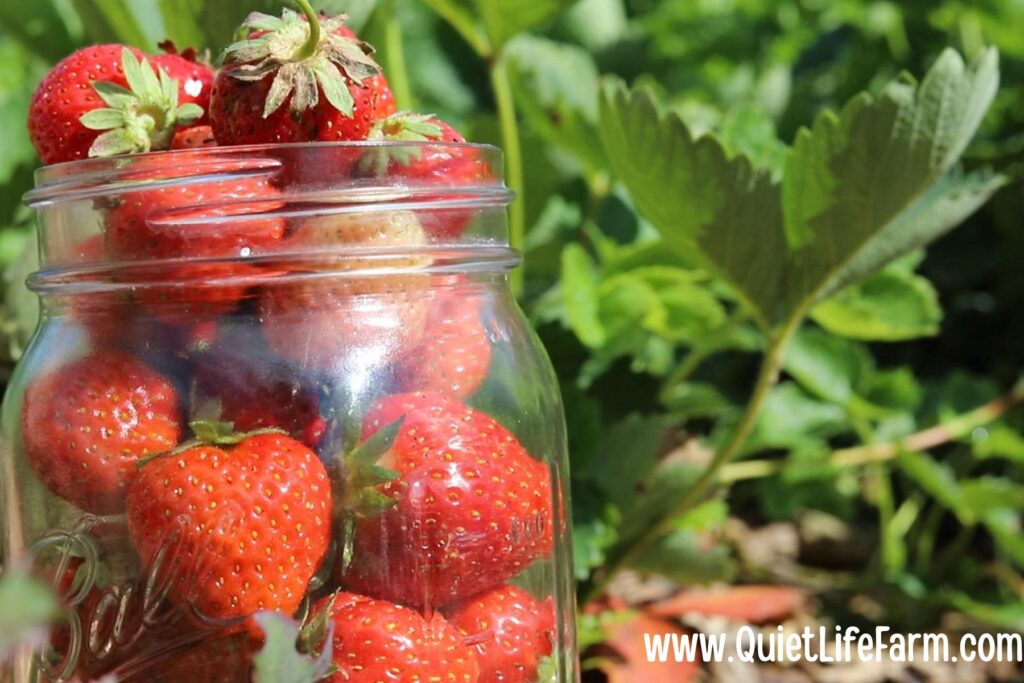
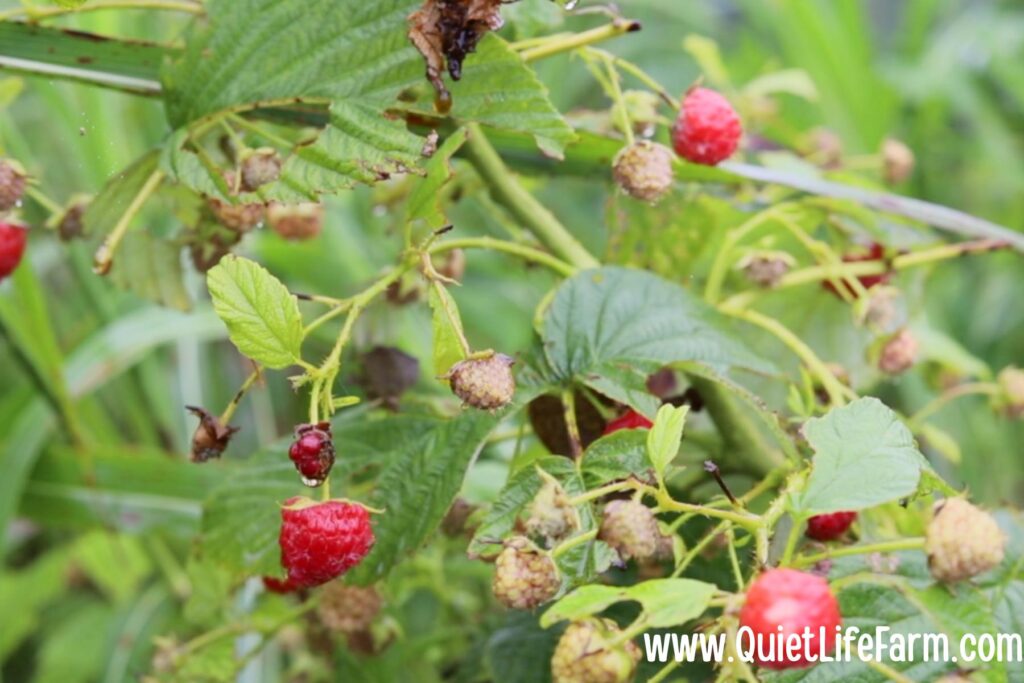
If fruit trees are a long-term investment, berry bushes are also one of the smartest investments you can make.
Blueberries, raspberries, blackberries, elderberries, currants, grapes—whatever grows well where you live—deserve a place in your garden.
Like fruit trees, they become more productive with age.
The sooner you plant them, the sooner they’ll begin rewarding you.
One little trick I’ve learned with blueberries is to dig a hole much larger than the root ball and fill that hole VERY generously with peat moss before planting. The more the better.
Blueberries absolutely love acidic soil, and giving them that environment right from the beginning can make a tremendous difference.
After planting, cover the soil with a thick layer of wood chips. This also helps with acidity. It also retains moisture and suppresses weeds. It mimics a forest environment, which is where blueberries naturally grow.
If you’re sourcing free wood chips, I’ve generally had good luck using GetChipDrop.com. The service connects homeowners with local arborists who need a place to unload fresh wood chips.
One thing I have noticed from personal experience is that ChipDrop seems to work much better in suburban or more populated areas than it does way out in the country. Even though you have the option to offer a hefty tip, many arborists simply aren’t interested in driving a long distance to make a delivery.
Sometimes it’s best to just call local arborists and ask them if they’d deliver. Sometimes talking to someone directly has a little more weight than the anonymous ChipDrop.
One note about wood chips: if you know a load contains a large amount of fresh black walnut, I’d avoid using it around your vegetable garden. Black walnut contains a naturally occurring compound called juglone, which can inhibit the growth of many common garden plants, including tomatoes, potatoes, peppers, and several fruit crops. I generally prefer mixed hardwood chips whenever possible. (I’d avoid pressure treated wood for the sake of chemicals, too)
Your Garden Is Only as Useful as Your Food Storage
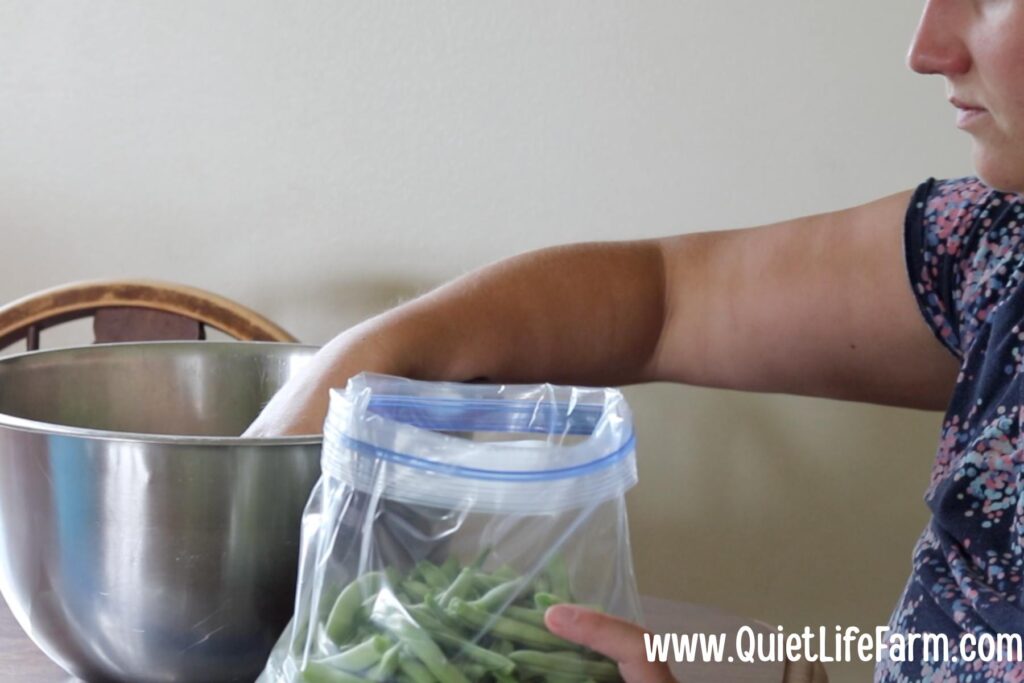
This may surprise some people, but I honestly believe your food storage space should determine the size of your garden.
Not the other way around.
Everyone dreams about growing enough food to feed their family.
Very few people stop to ask,
“Where am I actually going to put all of it?”
You need shelves for hundreds of jars.
A cool, dark place for winter squash.
Somewhere to store onions.
A basement or root cellar for potatoes.
A pantry large enough to actually organize everything you’ve worked so hard to preserve.
If you don’t have a proper place to store your harvest, you’ll likely find harvest season becoming more stressful than enjoyable.
You’ll be trying to find somewhere—anywhere—to stack jars, baskets of onions, boxes of apples, or crates of squash.
Good food storage isn’t glamorous.
But it’s one of the most important parts of growing your own food.
(Trust me, you really do not want to keep your glass jars of beautifully processed food under your bed.)
You Probably Won’t Eat Everything Fresh
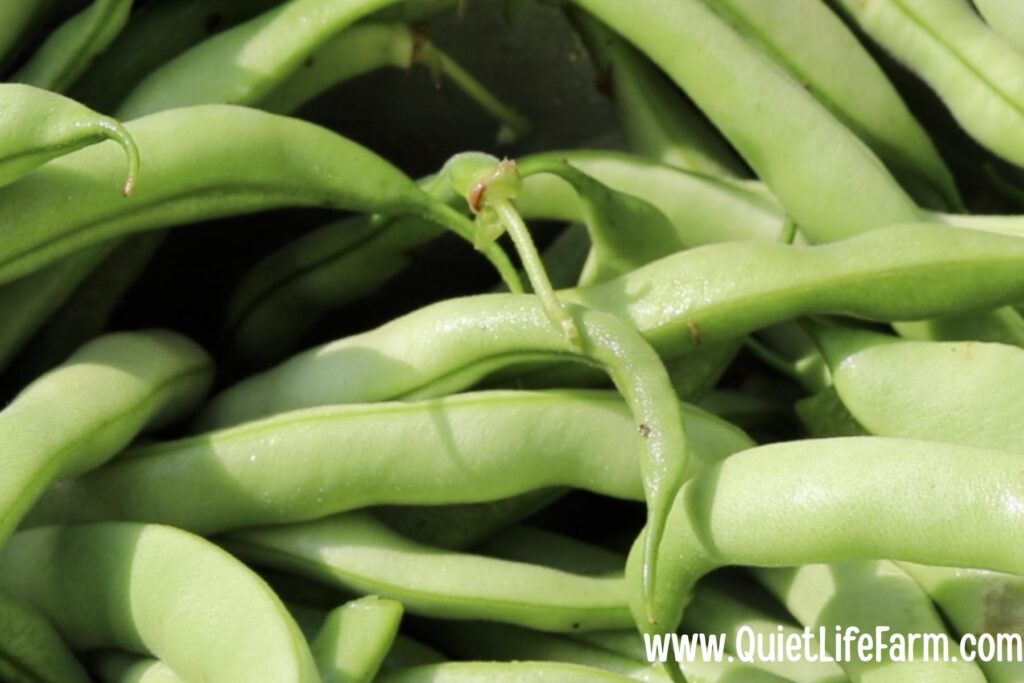
When most people picture a garden, they imagine fresh vegetables on the dinner table every evening.
And that certainly happens.
But gardens don’t spread their harvest out evenly.
Instead, everything seems to ripen at exactly the same time.
Suddenly you have thirty pounds of tomatoes.
Five baskets of beans.
More zucchini than you ever thought possible.
Learning to preserve food becomes just as important as learning to grow it.
Canning.
Freezing.
Dehydrating.
Fermenting.
Each one gives you another way to enjoy your harvest throughout the year.
And yes, this can be a really crazy season for gardeners, but the more you can push through and preserve it, the happier you will be in the middle of a cold and barren winter when you’re dreaming about the garden, and get to taste just a little bit of its goodness.
Your Favorite Preservation Methods Will Change
One year you may happily brush the dirt off your potatoes and store them in the basement all winter.
The next year another gardener introduces you to pressure-canned potatoes for quick mashed potatoes or soups, and suddenly that’s your new favorite method.
The same thing happens with tomatoes, beans, herbs, peppers, and fruit.
As you continue gardening, your pantry evolves.
The beautiful thing is that there isn’t one right way to preserve your harvest.
There are many.
Some Years Life Gets in the Way
One lesson gardening has taught me is to extend grace to myself.
Some years you’ll have an enormous garden.
Other years a new baby arrives.
Work becomes especially busy.
Life changes.
And your garden changes with it.
That’s okay.
There is no prize for having the biggest garden. (well, then again, all that preserved food definitely feels like a prize)
But, your garden should fit your current season of life.
Starting Seeds Takes Up More Space Than You Think
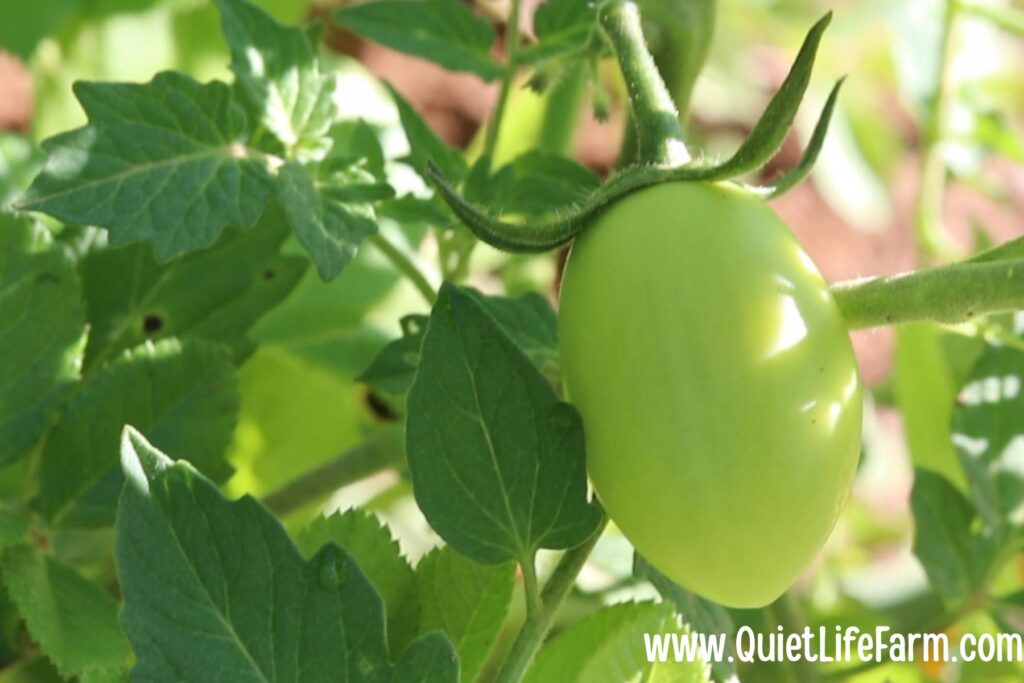
Nobody warned me that every spring my house would temporarily become a greenhouse.
Even if you own a greenhouse outside, chances are you’ll still want to start tomatoes and peppers indoors during the middle of winter unless that greenhouse is heated.
Seed trays.
Grow lights.
Heat mats.
Potting soil.
Watering cans.
Suddenly your kitchen counter, dining room table, or spare bedroom is filled with hundreds of little plants.
It’s rewarding.
But it’s also messy and can really be in the way.
Nobody likes having to move a ton of dirty seed trays off their already limited kitchen counter space just to be able to cook another meal.
Plan ahead and create a dedicated seed-starting space if you can.
Future you will appreciate it.
Weeds Get Stronger as Summer Goes On
Early in the season it’s fairly easy to stay on top of weeding.
Then summer arrives.
Everything grows faster.
Including the weeds.
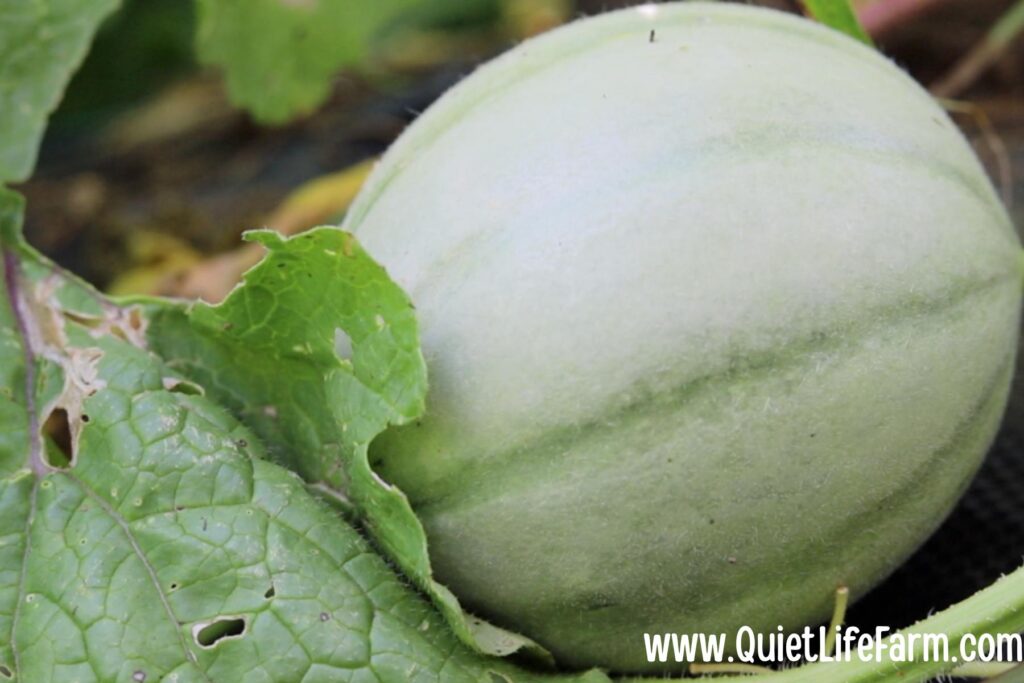
It’s not uncommon to reach August and discover weeds growing happily underneath sprawling cucumber vines or pumpkin vines where they’re nearly impossible to reach.
If this happens…
You’re normal.
Every gardener experiences seasons where the weeds temporarily win.
Do what you can.
Then keep enjoying your garden anyway.
Sometimes It Isn’t Your Fault
Every gardener has a year where something simply doesn’t work.
Sometimes it’s drought.
Sometimes insects.
Sometimes hail.
Sometimes disease.
Sometimes your whole garden floods with one heavy rain.
And sometimes, it’s just the seeds themselves.
Even excellent seed companies occasionally have a difficult year.
Several years ago, nearly every gardener we spoke with at a large homesteading conference was having the exact same problem with one particular supplier.
None of our seeds had germinated, either.
We spent months wondering what we’d done wrong before realizing it wasn’t us at all.
Don’t be too quick to blame yourself.
Sometimes gardening simply reminds us that we’re working with nature—and with living things.
Your Favorite Varieties May Disappear
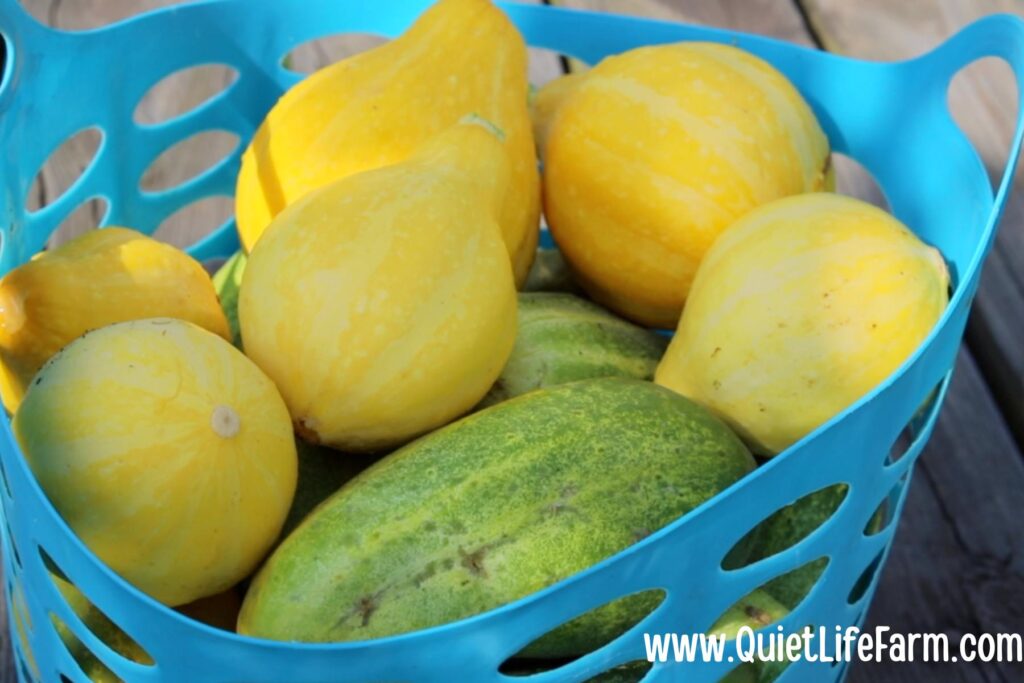
If you’ve gardened long enough, you’ll eventually discover that your favorite variety isn’t available one spring.
Sometimes your favorite varieties will be out of stock. You’ll be sad when a couple years in a row go by when you can’t buy seeds for lemon squash. (lemon squash in the photo above!)
And that’s when you’ll decide to start saving your own seeds each year.
Learn to Save Seeds
If you grow heirloom varieties, I can’t recommend seed saving enough.
Saving seeds is fantastic. If you haven’t saved your heirloom seeds before, I highly encourage you to start.
Learn how to save a different type of seed or two each year, because there are different seed saving methods for different plants.
Make sure they are very dry when you store them so that they do not mold.
But you’ll find that each year you save seeds from the best plant, you’ll have an even stronger platn the following year.
The seeds you save on your property become the strongest on YOUR exact property each time you do. That’s not something you can buy.
Healthy Soil Is Worth More Than Fancy Plants
It’s easy to become excited about new varieties.
But healthy soil will almost always have a greater impact on your harvest than buying the newest tomato you’ve been wanting to try.
Make compost. Also look into compost tea! It can be a little faster to make than waiting for “regular” compost to break down.
Mulch generously. Again, I love my wood chips.
Protect the life beneath the surface.
Healthy gardens begin with healthy soil.
Really and truly, your garden will be much more abundant (which means all the work you put in will be much more profitable) if you have good, rich soil.
You’ll Become a Bit of a Food Snob
Nobody warns you about this either.
After eating vegetables fresh from your own garden, grocery store produce simply isn’t quite the same.
Especially tomatoes.
A vine-ripened tomato from the garden tastes almost like a completely different food.
The same goes for strawberries, sweet corn, peas, lettuce, green beans… really just anything that comes out of your garden, it will be like “where has this been all my life!?”
Don’t think you like beets? Try growing them in the garden! You might realize they taste totally different than what they taste like in the grocery store.
You can also choose varieties based off of taste. Like a meatier tomato rather than a juicier one? There’s a seed variety for that. And again, with the beets, choose an heirloom sugar beet!
Growing your own food changes the way you experience food altogether.
The Garden Will Humble You
Some years the deer win.
Some years squash bugs win.
Some years drought wins.
Some years everything flourishes beyond your expectations.
And another level of humbling the garden does for me personally anyway: I’d rather have surprise company show up at my door and see a messy house than a garden full of weeds. I can’t put my finger on why exactly, but I really like a garden that’s in order.
Gardening has a wonderful way of reminding us that we are participating with nature—not controlling it.
That’s part of what makes it all the more rewarding.
Eventually the Garden Becomes Your Calendar
One day you’ll notice you’ve stopped thinking in months.
Instead you think…
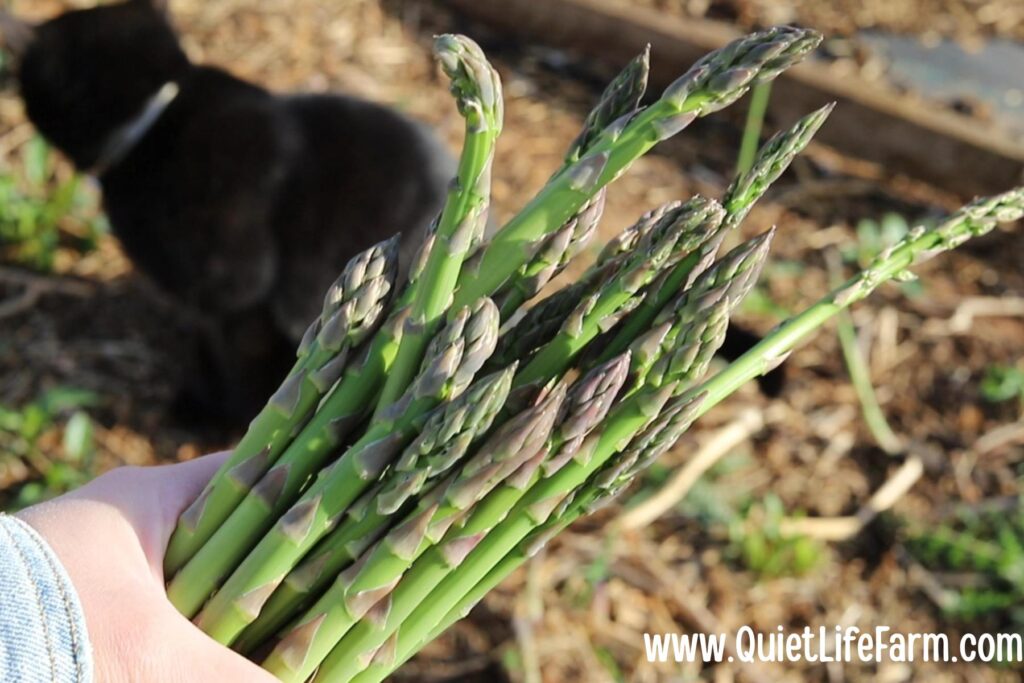
“The asparagus is coming up.”
“The blueberries are almost ready.”
““Time to start my tomato seeds!”
“The apples should be ripe next week.”
The garden becomes the rhythm by which you measure the year.
(personally, I always half-jokingly say each year that spring has begun each time I start my tomato and pepper seeds, even though it’s still the middle of winter)