20 Homestead Skills Every Family Should Learn

When most people hear the word homesteading, they picture acres of land, a large garden, and a barn full of animals.
While those things certainly can be part of a homestead, I’ve come to believe that homesteading is really about something much simpler.
It’s about learning skills.
You don’t need a farm to learn them.
Many can be practiced in an apartment, a suburban backyard, or a townhouse.
Over the years, I’ve realized that the skills themselves matter far more than the size of the property.
Here are twenty homestead skills I think every family can benefit from learning.
1. Cook From Scratch
Learning to cook simple meals is one of the most valuable skills anyone can have.
It saves money, gives you control over the ingredients you eat, and turns everyday meals into opportunities to gather around the table together.
You don’t have to cook elaborate recipes.
Just slowly build up your own list of your family’s favorite recipes.
2. Bake Bread (and other things)
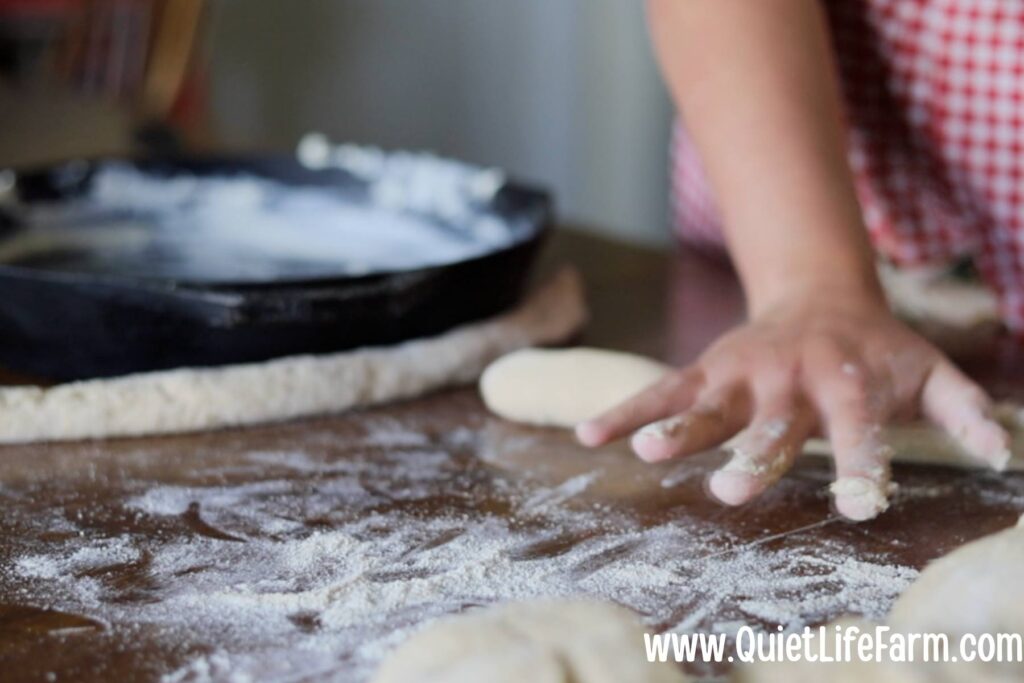
Bread baking seems intimidating until you try it.
Once you bake your first loaf, you’ll realize it’s simply another skill that improves with practice.
Fresh bread is delicious, inexpensive to make, and incredibly satisfying.
You don’t have to do sourdough. Really, you don’t.
I think it’s easier to use active dry (non gmo) yeast.
The bread police are not going to come get you if you don’t bake sourdough.
Once you’ve realized how basic bread baking is, you’ll see how easy it is to bake bagels, muffins, English muffins, buns, soft pretzels…all sorts of things that you no longer have to buy AND will taste better!
3. Grow Something
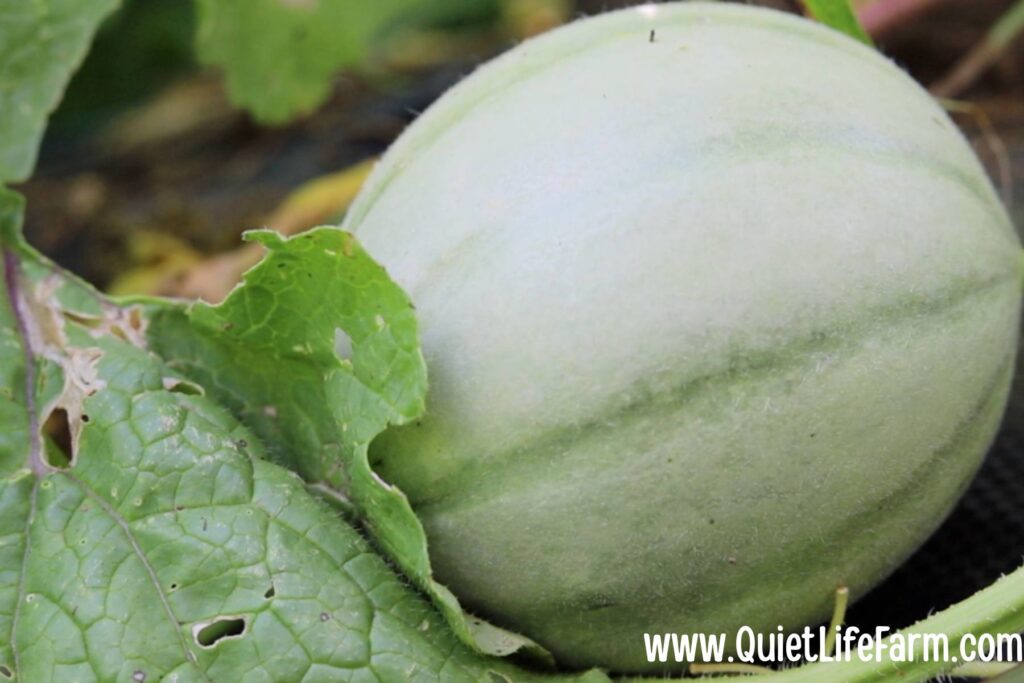
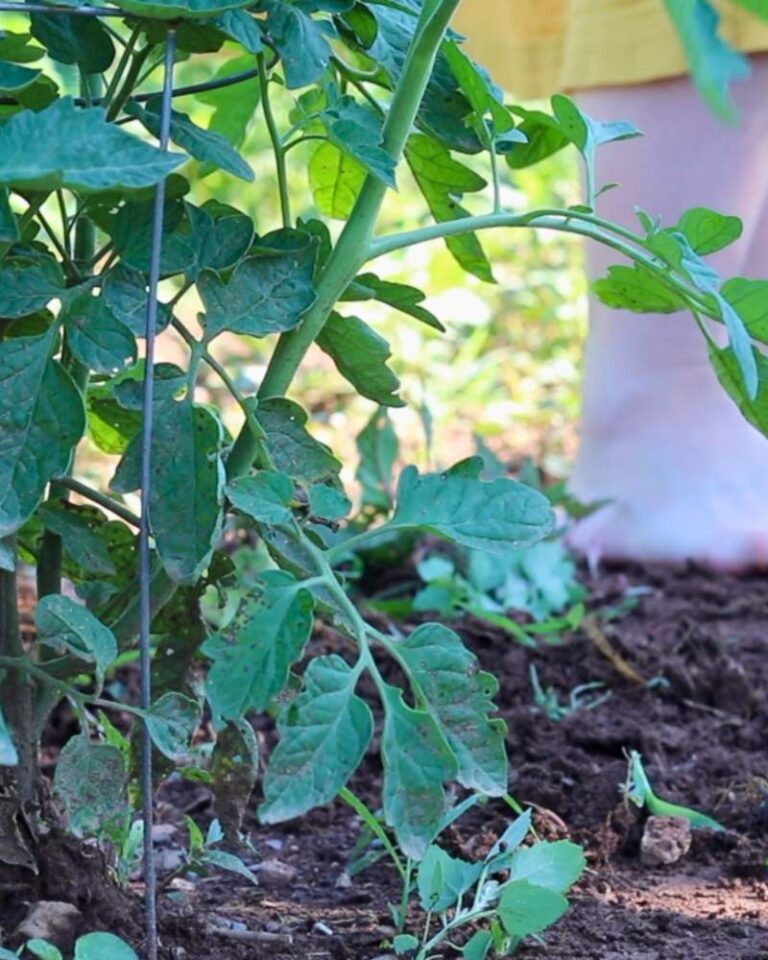
It doesn’t matter whether it’s a large vegetable garden, a few herbs on a windowsill, or tomatoes in containers.
It doesn’t matter if you buy extra large tomato starts from the store.
Growing something teaches patience, observation, and appreciation for where our food comes from.
Stick some cheap seeds into the ground. Radishes are basically fool proof. So are sunflowers and corn.
4. Preserve Food
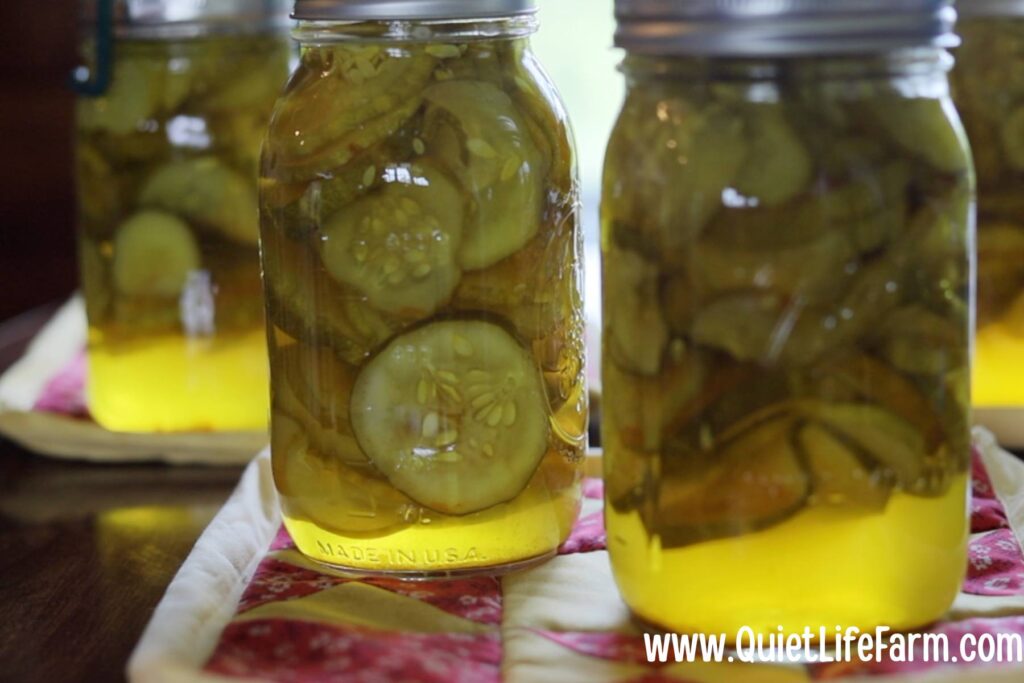
Learning to freeze, dehydrate, ferment, or can food helps you enjoy seasonal harvests long after the growing season has ended.
It’s also a wonderful way to reduce food waste.
Learn safe canning guidelines. You can’t just stick food in a jar and hope for the best. There are things to know and learn for canned goods to be safe and shelf stable.
Dehydrators are inexpensive, and I see them in the thrift store constantly for only a couple of dollars. (plus, they almost always work because if someone donated it, it probably means they didn’t use it very much at all. and the older models seem to be indestructible)
Fermenting isn’t as complicated as you think. And there are more probiotics than you’ll ever get from a supplement.
5. Sew on a Button
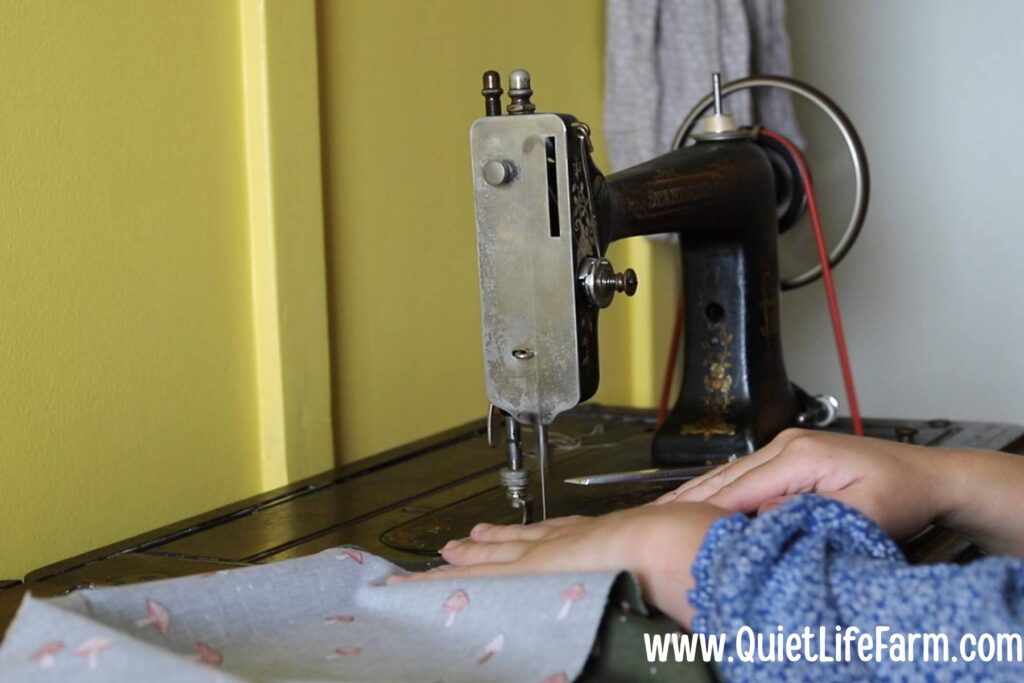
Not every sewing project needs to be complicated.
Simple repairs like replacing a button or mending a small tear can extend the life of clothing by years.
After you’ve sewn on a button, snoop around my blog for the many free printable sewing patterns I have available here!
6. Mend Instead of Replace
Let’s be honest, not everything can be fixed in this day and age. Planned obsolescence is very real.
BUT, many things CAN be repaired with a little time and creativity.
Learning to fix what we already own saves money and reduces waste.
And, when possible, replace your broken things with the older things. The cast iron pans. The old treadle sewing machines. The old, solid wood furniture. Those things seldom break.
7. Practice Creativity
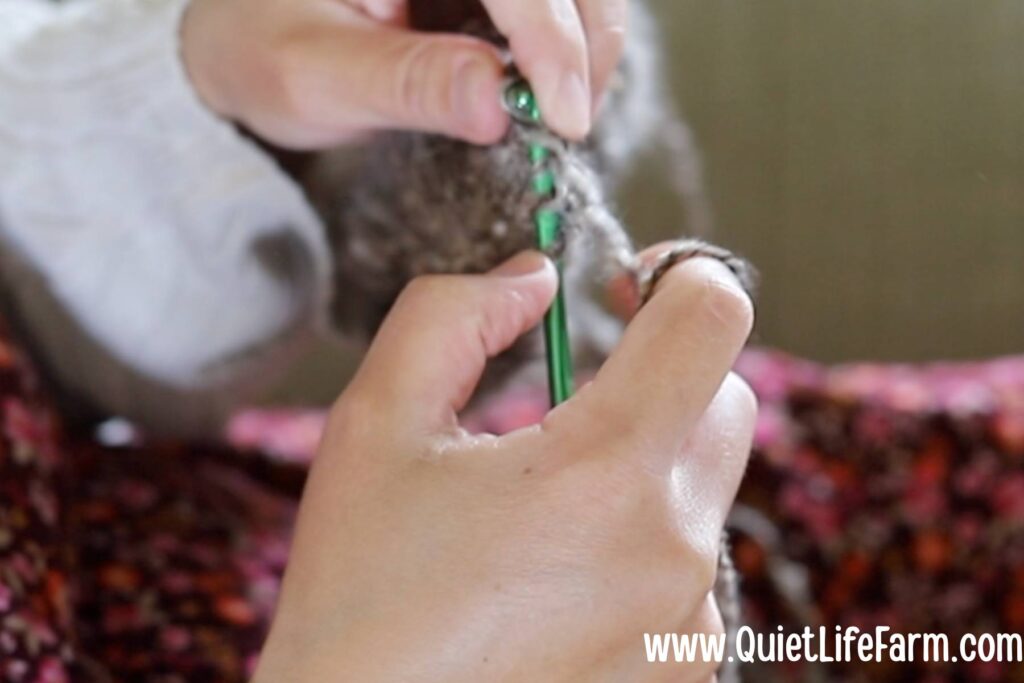
Develop hobbies outside of technology.
Knitting.
Crochet.
Spinning fiber into yarn.
Painting.
These sorts of things ground us. They are one of the things that make us human, and give us a real tactile connection to the living world around us.
8. Grow Herbs and Other Perennials
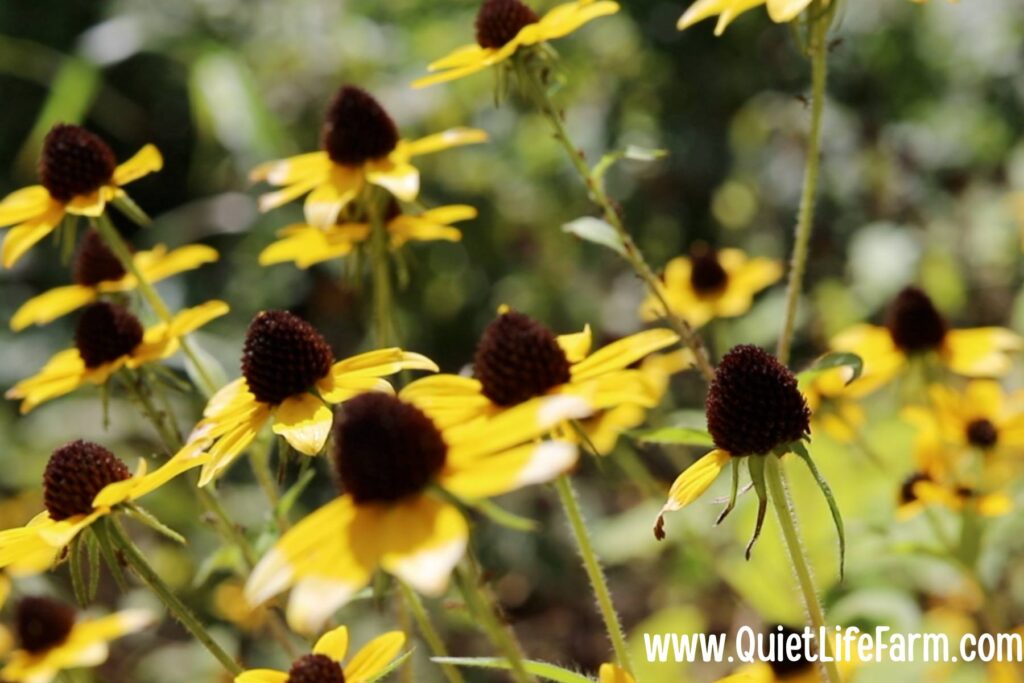
Herbs are one of the easiest ways to begin gardening.
Many grow beautifully in pots and reward you with fresh flavor all season long.
Plus, they come back every year. Besides normal maintenance such as pulling weeds or re-mulching, once they’re planted, they’re planted. It’s super exciting to see your echinacea that you planted from seed come back every spring with no effort of your own. It’s the cheapest way to landscape your home.
9. Learn Basic Animal Care
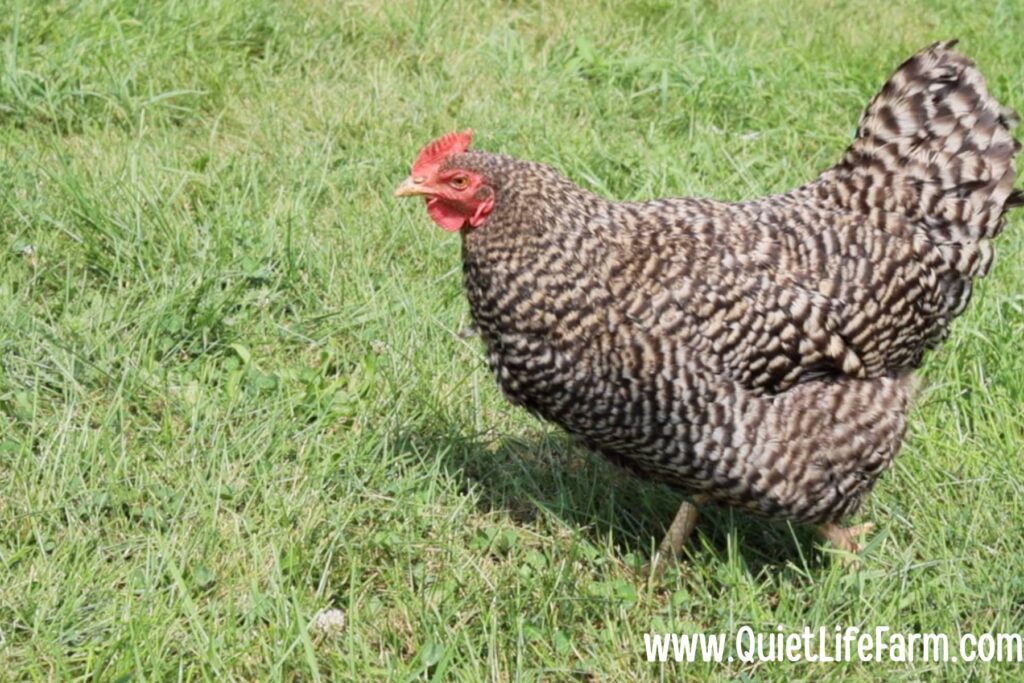
Even if you never plan to own livestock, understanding how to care for animals teaches responsibility, compassion, and observation.
If you do keep chickens, rabbits, sheep, goats, or other animals, those skills become even more valuable.
10. Compost Kitchen Scraps
Composting transforms what would have been waste into rich soil for future gardens.
Even if you’re not growing fruits and veggies, the compost will make your flower garden quite happy.
11. Sharpen Your Tools
A sharp knife is safer than a dull one.
The same goes for pruners, saws, and other tools.
Taking care of your tools makes every job easier.
12. Learn to Identify Common Plants
Knowing which plants are growing around you helps you become more connected to your environment.
You’ll notice the changing seasons in entirely new ways.
I love having my own “nature calendar” and noticing which plants are delayed or stunted based off of a late frost or an unusually warm season.
13. Build Something Simple
Whether it’s a raised garden bed, a birdhouse, or a simple shelf, learning basic woodworking builds confidence and practical problem-solving skills.
It’s okay if it’s ugly.
Even the most unattractive builds can still be useful.
14. Incubate and Hatch Out Eggs

I think this one is pretty important.
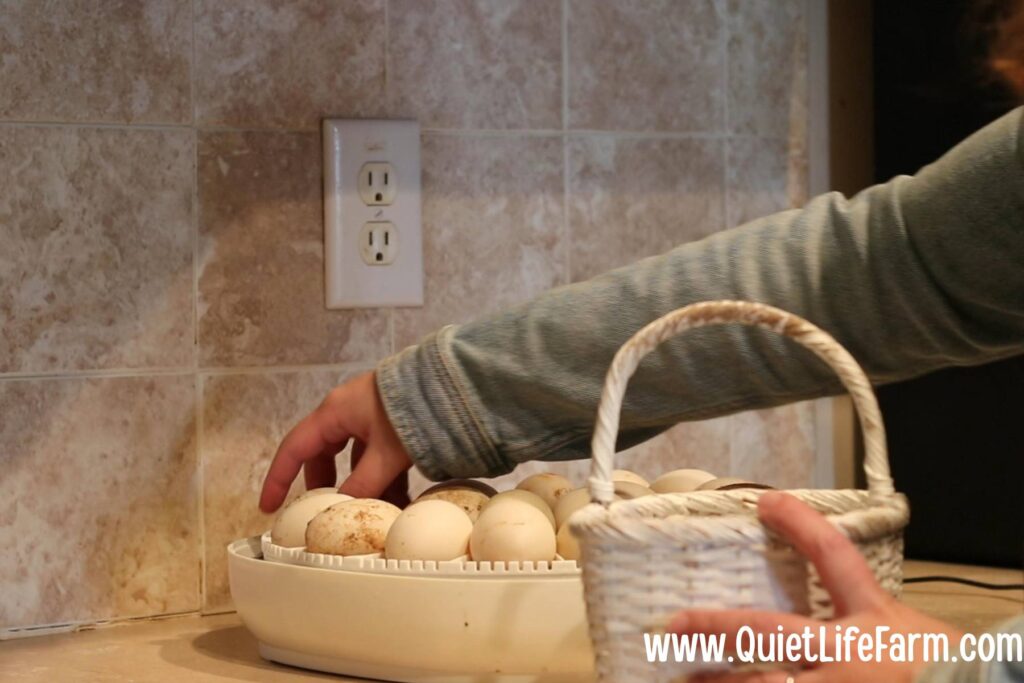
If you can get some unwashed fertilized chicken or duck eggs, a tabletop incubator is an inexpensive way to give your family a valuable lesson about life and caring for it.
You can candle the eggs and watch the chick develop more and more each week. You can watch the chick MOVE inside the egg, too!
Plus, did you know that they will start peeping before they’ve even hatched out of their eggs!?
Most people who already have chickens/a homestead will be more than happy to take and care for the chicks once you’re done hatching them out.
Here’s the incubator our family uses!
15. Keep a Journal
Every season teaches something new.
Writing down what worked—and what didn’t—helps each year’s garden become a little better than the last.
It will also help you remember what you’ve done to remedy various situations in the past, beyond the garden.
Best of all, you’ll have full documentation of how your homestead grew each year.
16. Make Homemade Gifts
A loaf of bread.
A knitted scarf.
A handmade toy.
A jar of jam.
Homemade gifts remind us that thoughtfulness matters far more than price. And they’re almost always appreciated more.
They also teach children how to be more giving, too. Because children don’t always have money, but they do have the ability to create. Seeing the adults in their life making things to give them away will give them the confidence to make and give joyfully, too.
17. Teach Your Children Practical Skills
One of the greatest gifts we can give our children isn’t more possessions, but genuine ability, and our time.
Invite them into the kitchen.
Let them plant seeds.
Teach them to sew, bake, build, and create.
Keep them by right by your side as much as (safely) possible, and let them help and ask questions with everything you do together.
Those lessons will stay with them long after childhood.
18. Learn to Work With the Seasons
Nature has a rhythm.
Spring is for planting.
Summer is for tending.
Autumn is for harvesting.
Winter is for planning, repairing, knitting, reading, resting, and preparing for another year.
Working with those rhythms makes life feel less hurried.
19. Work With Your Hands, and Help Others
Whether you sew, knit, paint, carve, quilt, garden, build, or bake, working with your hands changes the way you see the world.
You begin noticing the time, care, and skill right there inside everyday objects.
Someone knew how to DO something for that thing to exist.
It’s one of the greatest gifts a practical skill can offer.
And when you do learn skills, be quick to help others.
The village that everyone desires will never exist if we ourselves are not the village, too.
Help others with no expectation that they will help you in return.
Work with gladness.
20. Be Willing to Learn
Perhaps the most important homestead skill isn’t tied to any one project.
It’s simply the willingness to keep learning.
Every loaf of bread.
Every garden.
Every sewing project.
Every animal.
Every mistake.
Each one teaches something new.
The families who thrive aren’t the ones who know everything, but are the ones who remain curious enough (and stubborn enough, perhaps) to keep learning.
You Don’t Have to Learn Everything at Once
Reading a list like this can feel overwhelming.
Please don’t let it. That’s certainly not my intention.
You don’t need to master twenty new skills this year.
Or even five.
Start with one.
Bake your first loaf of bread.
Plant your first tomato.
Learn to sew on a button.
Cook one meal completely from scratch.
Small skills have a wonderful way of leading to bigger ones.
Final Thoughts
Looking around our homestead today, I realize that the most valuable things we’ve built aren’t the garden beds, the fences, or even the handmade projects.
They’re the skills.
Every practical skill we’ve learned has made us a little more capable, a little more confident, and a little more grateful.
Even if we were to pack up tomorrow and leave everything behind, we wouldn’t be leaving those skills behind.
Those skills have saved us money.
They’ve helped us create a home filled with purpose instead of simply possessions.
And perhaps best of all, they’re skills that can be passed on, and shared.
Long after a loaf of bread has been eaten or a garden has finished producing for the season, the knowledge remains.
To me, that’s one of the greatest gifts homesteading has to offer.