Homesteading on a Budget: Where We Save the Most Money
Disclaimer: As an Amazon Associate, I earn from qualifying purchases.
When people picture a homestead, they often imagine expensive equipment, sprawling gardens, and barns full of animals.
And while homesteading certainly can be expensive, it really doesn’t have to be.
In fact, one of the biggest surprises for our family has been discovering just how many ways a homestead can actually help reduce everyday expenses.
Now, I don’t believe you should start a garden or buy a flock of chickens simply because you think you’ll save money overnight. Most homesteading skills take time to develop, and there are usually some upfront costs involved.
But over time, we’ve found that learning practical skills has helped us spend less, waste less, and appreciate more.
Here are some of the areas where our homestead has made the biggest difference.
Growing Our Own Food
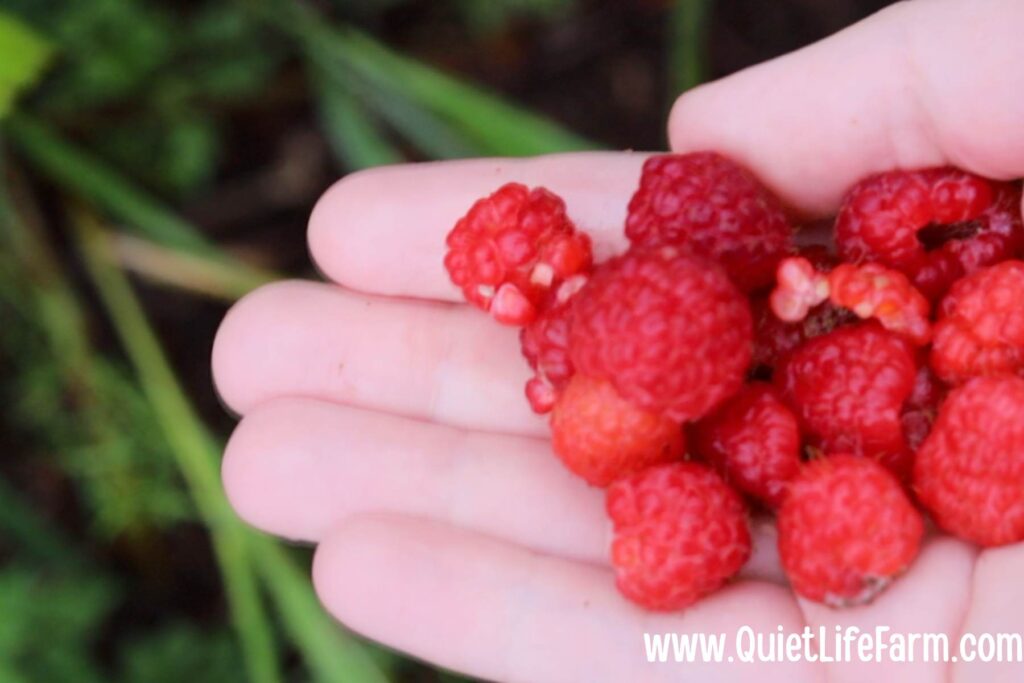
Not every crop saves money equally.
Some vegetables are inexpensive to buy, while others can be surprisingly expensive at the store.
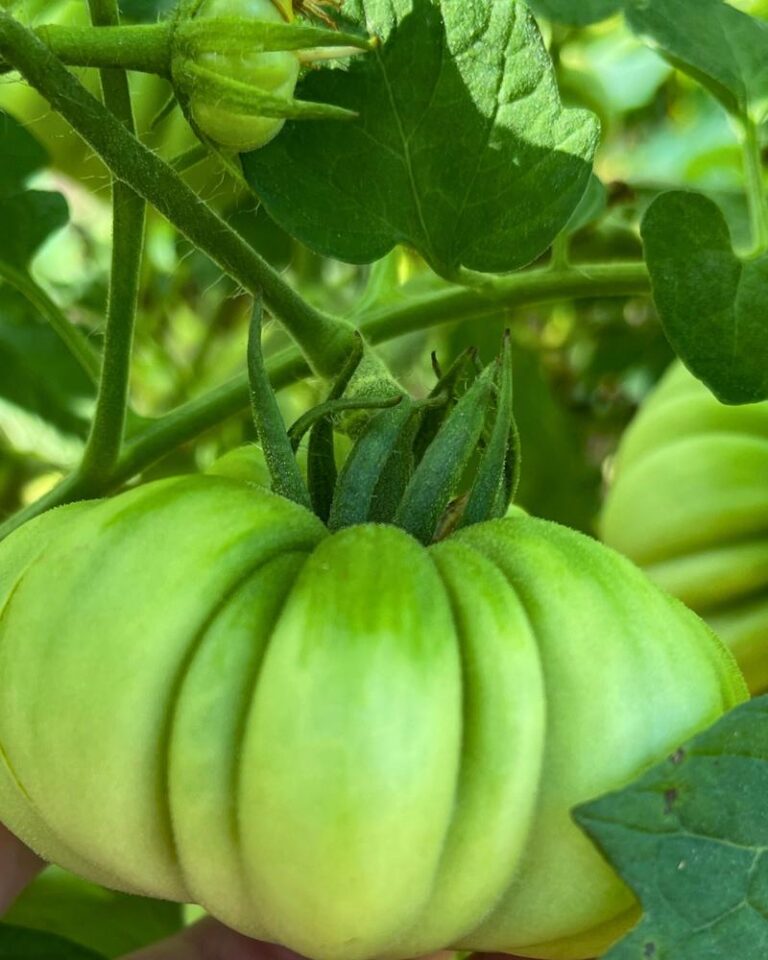
For example, pepper plants are SO easy to grow, and produce a ton of peppers.
Peppers are also super easy to preserve. I honestly just chop most of mine up and throw them into the freezer. They cook great from there.
I still don’t understand exactly why peppers are so expensive at the grocery store. They really are so easy to grow, and prefer your worst, most pitiful, most neglected soil you have. My pepper plants only complain if I try and get them to grow in a high quality garden bed.
But anyway, we’ve found the greatest value in growing foods we use often and that taste dramatically better when they’re picked fresh.
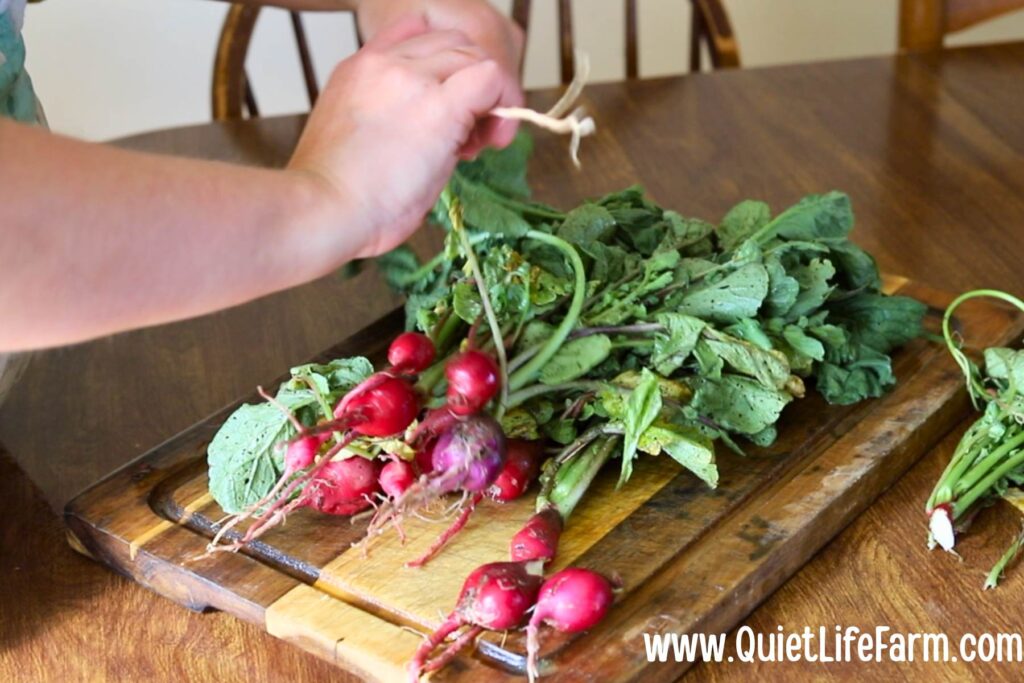
There’s also something incredibly satisfying about walking outside to gather ingredients for breakfast, lunch, or dinner. (My favorite breakfast is going outside in the early spring to gather eggs, Swiss chard, and radishes for breakfast! It’s the most delicious breakfast in the entire world.)
The savings are wonderful, but the freshness is even better.
Choosing Livestock That Eats Grass
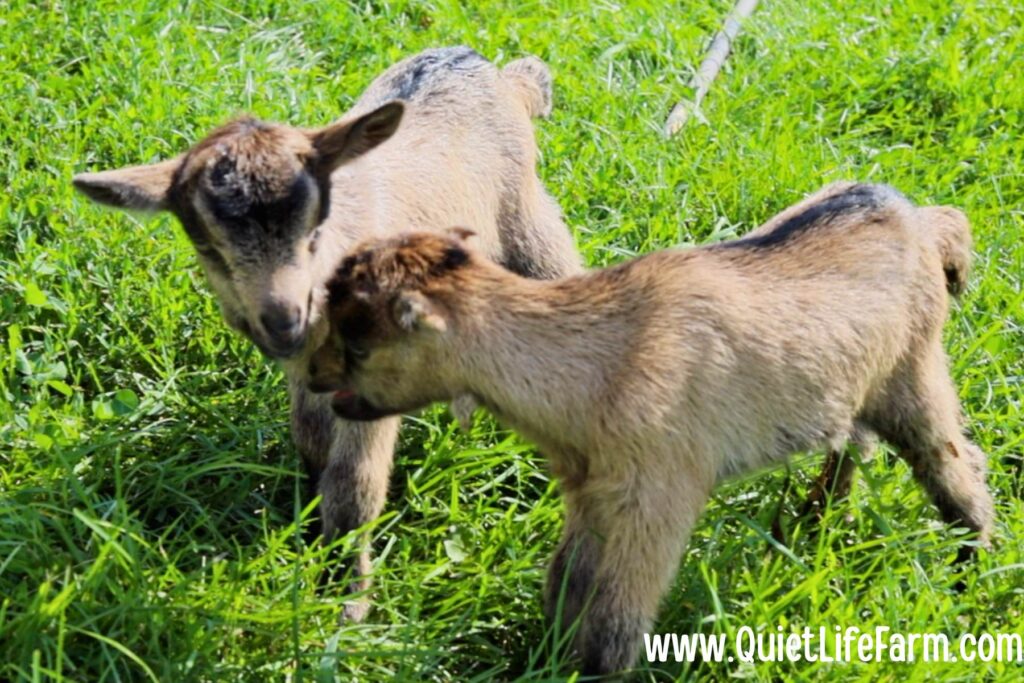
If you’re looking into how to homestead on a budget, get livestock who are their healthiest when eating only grass.
This means: look into goats and cows and other ruminants.
It also means: don’t get pigs. Even kune kune pigs still require feed.
Feed prices really add up. And you cannot stop buying feed, because your animals need food.
Most of the time, you really can’t produce feed on your own either for animals such as pigs or chickens, because they need a very specific balance of nutrients to stay healthy.
This is especially the case for feeder pigs, who won’t grow properly if you don’t have the protein balance just right.
But some animals, such as goats and cows, thrive on grass. I might have some people challenge me on this, but feed generally isn’t very good for them. Goats especially are prone to illnesses if they are over fed feed.
This doesn’t mean you can’t give these animals the occasional treat — I’d encourage you to do so because it trains them to come when they’re called!
But you can significantly lower your homesteading costs if you’re not buying feed every week.
(there are also some feed companies that will allow you to buy in bulk, but you’ll need an actual tractor and an actual barn to move and store the feed, because it’s often by the ton.)
There’s obviously the cost of hay to feed in the winter, but if you’re not keeping too many animals on your pasture, and if you have a good, healthy, high quality pasture, you shouldn’t have to supplement besides hay.
(another exception to this is after an animal gives birth — I always like to give molasses and oats to freshly postpartum animals)
Not Owning Lots Of Land

You really don’t need tons and tons of land to have a homestead.
I started homesteading on a little suburban lot.
Start small. Start where you are.
And if you’re looking for a larger plot of land to own, think really hard about what exactly what you want to do now, and anything you might possibly want to do in the future. Base your size of your land purchase off of that.
Using Land We Don’t Own
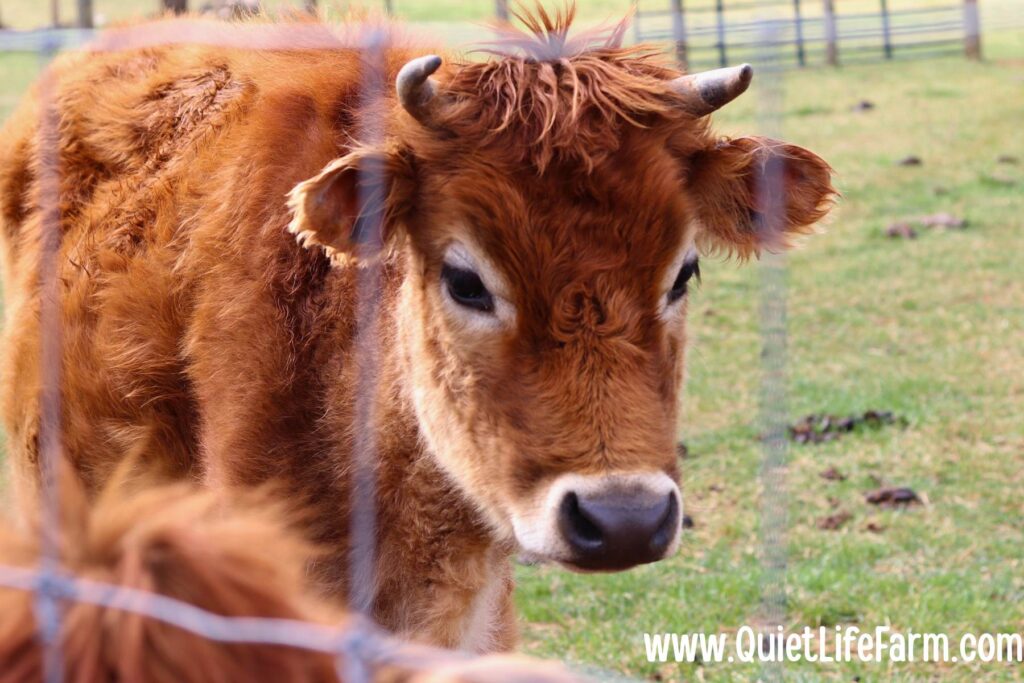
It would probably surprise people to learn how little land we actually own.
While we do have much more land now than we did when we lived in the suburbs, it’s still not very much.
But we use much more land than what we actually own.
How? We use a neighbor’s land. Someone who had acreage they weren’t using and also did not want to put the work into maintaining themselves.
Our homestead has been able to expand much more than it would have been able to without the generous offer of allowing us to use their land.
Ask around. You might have a neighbor with a wooded lot who you can promise that your goats will clear for them in exchange for your goats being able to live there.
Not Doing Too Much
This is probably pretty obvious, but don’t try and do all the things at once.
Focus on what you value the most.
The more you have to upkeep, the more you have to invest in that upkeep.
Keeping things small and focusing on your priorities will minimize the yearly cost.
Finding Free Things
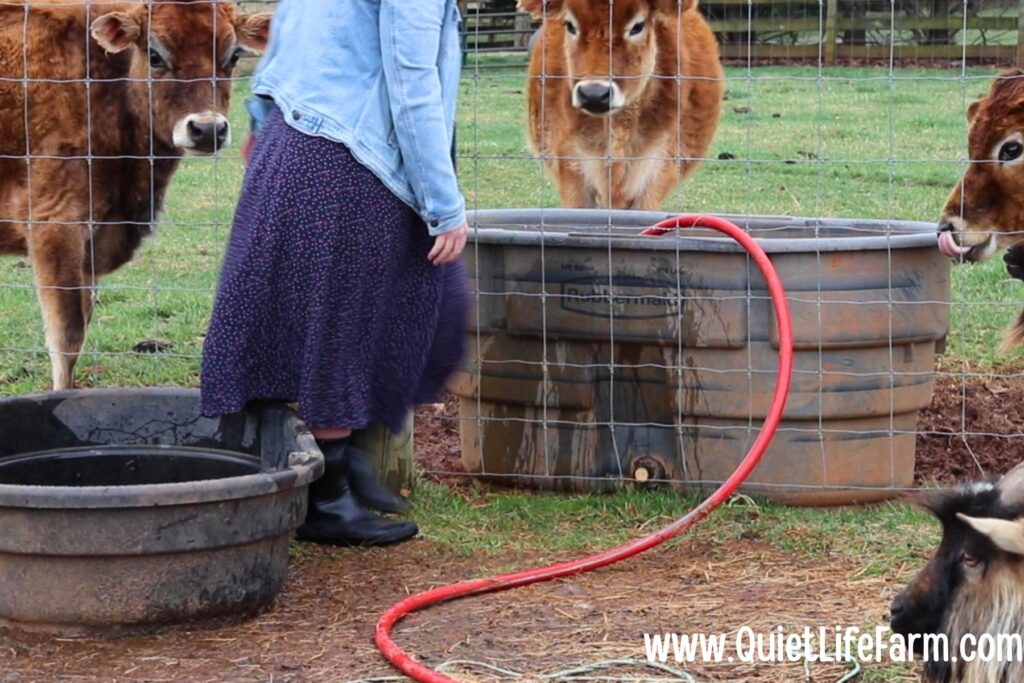
Never forget to check local Facebook groups, Facebook marketplace, and craigslist for free things!
It’s also a good idea to send out a text to anyone who might have what you need and be willing to part with it.
The chances of someone looking to offload something that would make the perfect goat playground, or the perfect chick brooder are pretty high!
Repurposing and Reusing
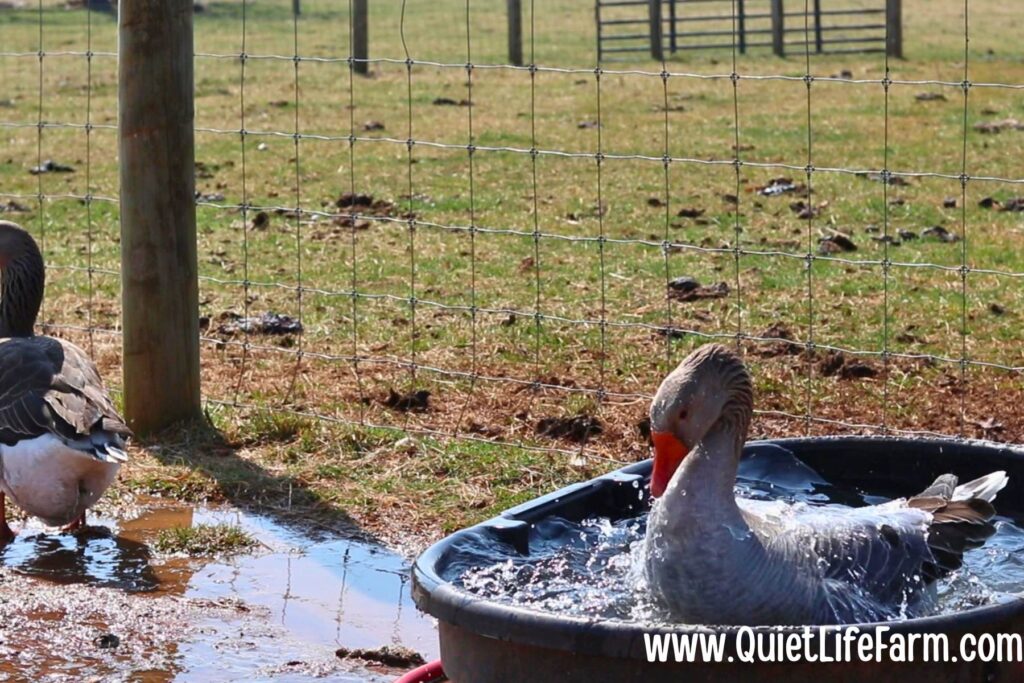
You don’t need an “official” product to have something that works.
There are plenty of unconventional items that you may have already lying around (or the ability to find for free or for cheap) that would make the perfect “something else.”
Baking and Cooking at Home
This is probably one of the easiest ways we’ve saved money.
A homemade loaf of bread costs just a fraction of what you’d pay for a quality artisan loaf at the grocery store. Better yet, I know exactly what goes into it.
There are no unnecessary preservatives or ingredients I can’t pronounce.
Bread baking also opened the door to making pizza dough, dinner rolls, cinnamon rolls, sandwich buns, and other baked goods that we used to purchase.
One skill replaces quite a few grocery store trips.
Homemade meals are almost always less expensive than eating out.
But beyond saving money, cooking at home gives us 3 opportunities each day to gather around the table together.
Even simple meals become something to look forward to when they’re shared with family.
Many of our favorite recipes are inexpensive, filling, and made from pantry staples.
Simple doesn’t have to mean boring, and all that time spent at home on the homestead gives you lots of time to experiment and learn this skill.
Sewing Instead of Shopping
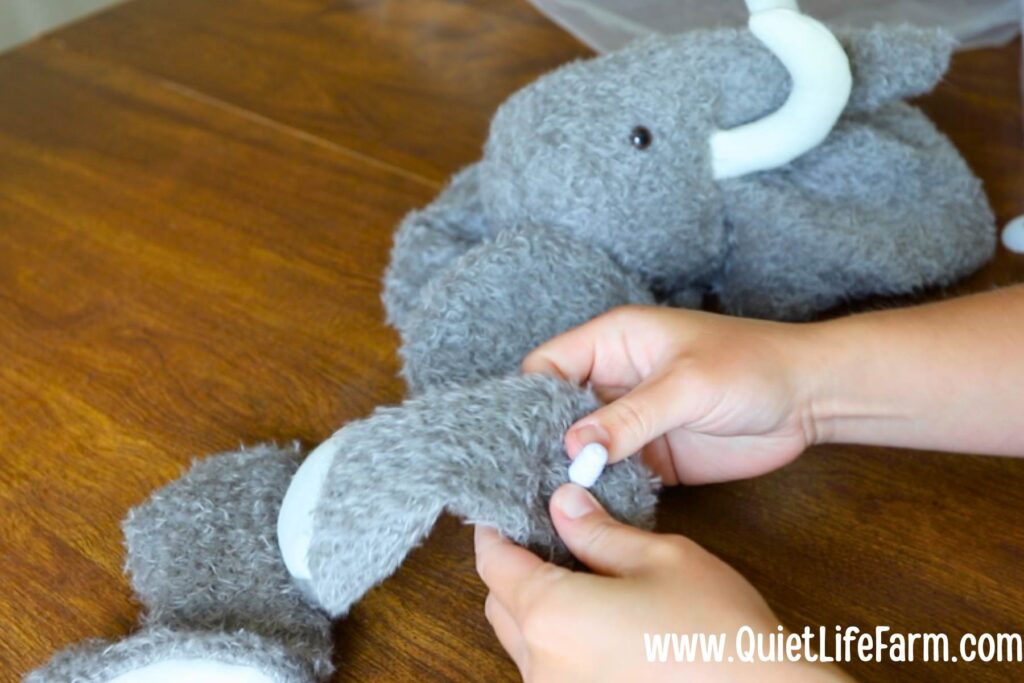
Learning to sew has completely changed the way I think about clothing, toys, and household items.
(the elephant sewing pattern above can be found here!)
Sometimes sewing saves money.
Sometimes it probably doesn’t.
Fabric and notions can certainly add up.
Although, thrifted bedsheets also make very inexpensive fabric to sew with.
Sewing gives me something that’s difficult to buy in a store.
Quality.
I can choose sturdy fabrics, reinforce seams, and create items designed to last for years.
That means we’re often replacing things less frequently, which saves money over the long run.
Learning to Repair Instead of Replace
One of the greatest money-saving skills we’ve learned has nothing to do with producing something new.
It’s learning to fix what we already own.
Replacing a button.
Patching children’s clothes.
Repairing a seam.
Fixing a gate.
Sharpening garden tools.
Small repairs often prevent much larger expenses later.
I often joke to my husband that he’s “everyone’s dad” because he’s become the one who is always called when anyone has a bathroom to remodel, a car to jump, or a well pump to repair.
But he wasn’t just born with these skills. They came little by little through hands on experience. (and dramatically increased when he built an off grid cabin with his own two hands. he’s so cool.)
Raising Animals for More Than One Purpose
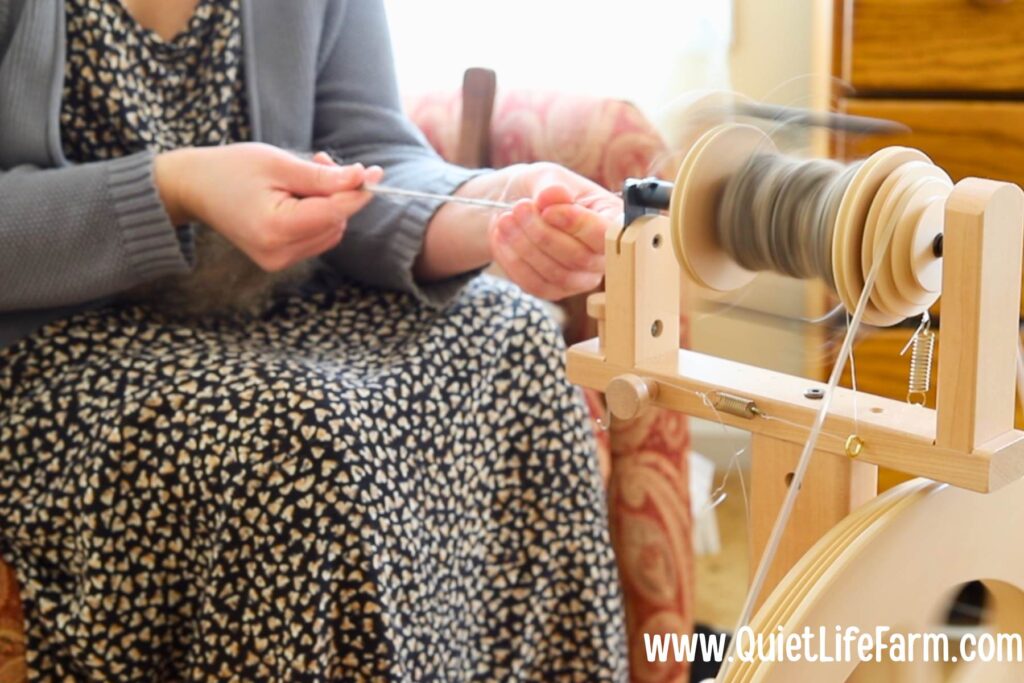
One lesson we’ve learned is that the most useful homestead animals often serve more than one purpose.
Our sheep provide beautiful wool for spinning and knitting, and sometimes we sell the weaned babies.
Our goats help manage brush and bring endless entertainment. (and we also sometimes sell the weaned babies)
Chickens provide eggs and meat while helping reduce insects around the property.
Each animal contributes something unique to the homestead.
Buying Less Because We Can Make More
This may be the biggest financial change of all.
The more practical skills we’ve learned, the less we feel the need to buy.
Instead of asking, “Where can I purchase this?”
We often ask, “Could we make something similar?”
Sometimes the answer is yes.
Sometimes it’s no.
But simply asking the question has made us much more intentional about what comes into our home.
Saving Money Isn’t Really the Goal
I don’t think saving money has been the greatest gift of homesteading.
The greatest gift has been learning how capable we really are, and fully experiencing a quiet and simple life in a very hands on, tactile way.
Every loaf of bread.
Every basket of vegetables.
Every handmade toy.
Every repaired fence.
Every knitted shawl.
Every successful harvest.
Each one reminds us that we can learn new skills and provide more for ourselves than we once thought possible.
Our hands have touched every one.
Our children have grown up being involved in it all, right alongside of us.
The money we’ve saved has been wonderful.
But the confidence we’ve gained has been priceless.
Final Thoughts
You don’t need acres of land or a fully functioning farm to enjoy the benefits of homesteading.
You can begin with one skill.
Bake your own bread.
Plant a few zinnias.
Learn to sew on a button.
Start a small vegetable garden.
Cook one more meal at home each week.
Those skills have a way of growing.
Over time, they begin to save money almost without you noticing.
More importantly, they help build a home that’s rich in knowledge, creativity, and purpose.
For our family, that’s been the greatest reward of all.